
Construction Site Supervision Failures: How Weak Monitoring Leads to Structural Defects and Delays
- Anjali Regmi
- Mar 3
- 3 min read

In civil engineering projects, site supervision is the invisible force that holds execution quality, safety, cost control, and productivity together. While structural drawings define what needs to be built, and contractors provide manpower and machinery, it is the site engineer’s supervision that ensures work is executed correctly. When supervision weakens, even technically sound projects begin to fail.
Most structural defects, rework cases, safety incidents, and cost overruns can be traced back to poor monitoring rather than design errors. In real construction environments, supervision is not just about being physically present on site — it is about technical verification, coordination, inspection discipline, and proactive problem-solving.
What Does Effective Construction Site Supervision Mean?
Effective supervision involves:
Verifying work as per approved drawings
Checking dimensions and alignment
Monitoring reinforcement placement
Ensuring material quality compliance
Enforcing safety protocols
Tracking productivity and workflow
It is a continuous process, not a one-time inspection.
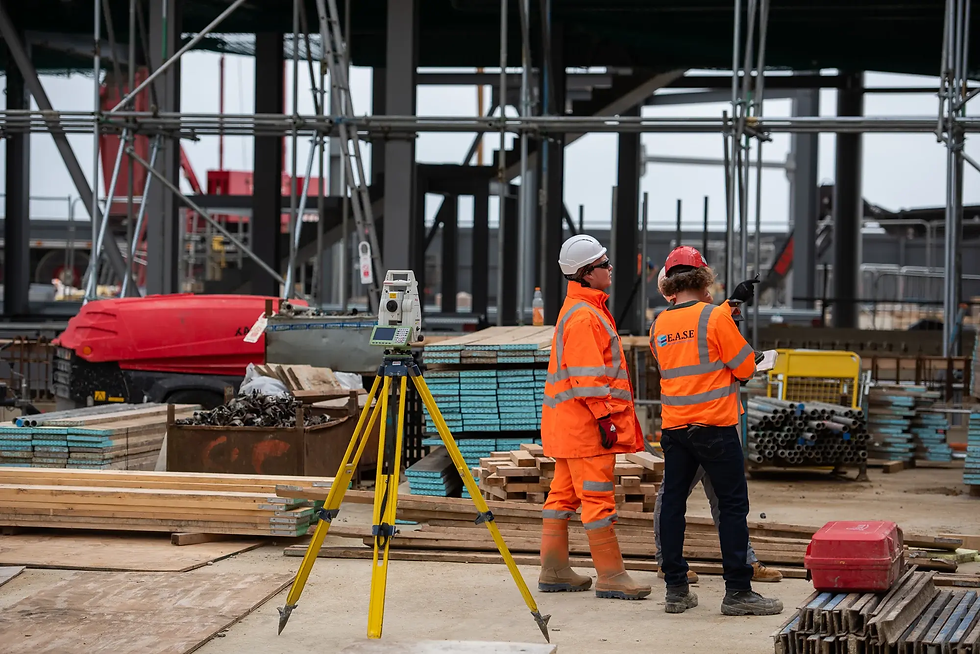
Common Supervision Failures on Construction Sites
1. Passive Supervision
Many fresh engineers remain in site offices relying on verbal updates instead of physically inspecting work areas. Lack of active presence leads to unnoticed technical errors.
2. Over-Reliance on Contractors
Contractors may prioritize speed over quality. When engineers fail to cross-check execution details, mistakes in reinforcement spacing, shuttering alignment, or concrete compaction occur.
3. Ignoring Pre-Concreting Inspections
Once concrete is poured, corrections become difficult. Skipping reinforcement and formwork checks before concreting is one of the biggest supervision mistakes.
Structural Consequences of Weak Monitoring
Improper lap lengths and anchorage
Misaligned columns and beams
Insufficient concrete cover
Honeycombing due to poor vibration
Dimensional deviations affecting finishing

How Poor Supervision Causes Rework and Cost Overruns
When errors go unnoticed during early stages, they escalate into major rework. For example:
Incorrect slab thickness requires demolition
Misplaced MEP openings require cutting beams
Uneven floor levels require re-plastering
Rework increases material wastage, labor costs, and project delays.
Supervision Failures and Safety Risks
Weak supervision also leads to:
Unsafe scaffolding installation
Non-use of PPE
Equipment misuse
Overloading of formwork
Many site accidents occur due to lack of monitoring rather than absence of safety guidelines.
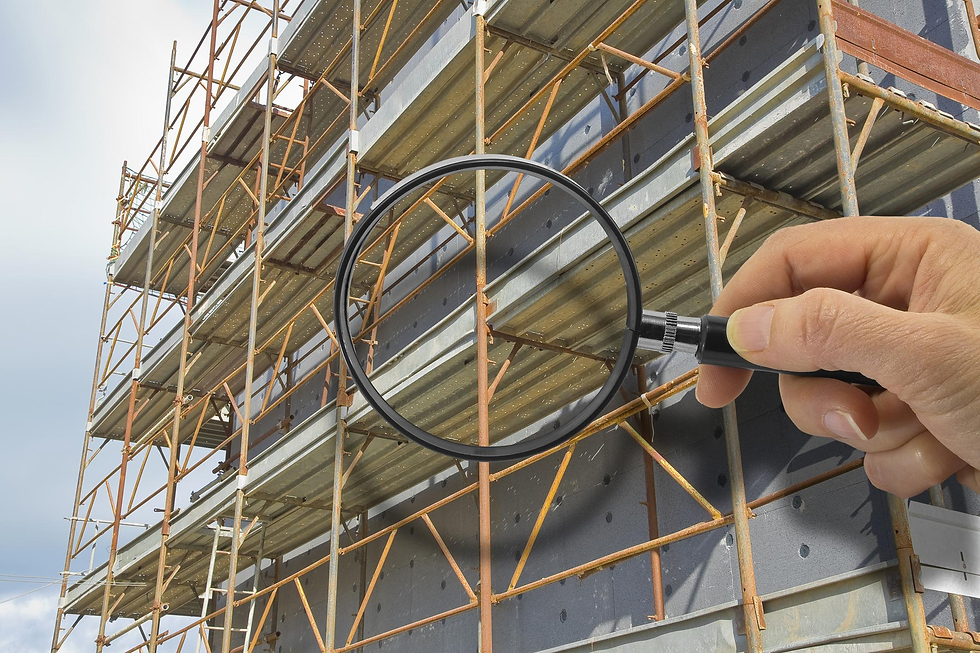
Real Reasons Why Supervision Weakens
Heavy workload on limited engineers
Pressure to meet deadlines
Lack of experience among fresh engineers
Poor coordination between design and execution
Inadequate inspection systems
Understanding these root causes helps in developing corrective strategies.
Key Areas That Require Strict Supervision
Reinforcement and Structural Works
Verify bar diameters, spacing, lap lengths, cover blocks, and anchorage before concreting.
Shuttering and Alignment
Ensure verticality and level accuracy using instruments.
Concrete Quality
Check slump values, vibration technique, and curing procedures.
Masonry and Finishing
Verify line, level, plumb, and mortar ratios.

Supervision and Documentation: A Critical Link
Proper supervision must be supported by documentation such as:
Inspection reports
Daily Progress Reports (DPR)
Checklists
Photo records
RFI clarifications
Documentation ensures accountability and traceability.
Improving Site Supervision Practices
Active Field Presence
Engineers must spend maximum time on active work fronts rather than office paperwork.
Stage-Wise Inspection Protocol
No work should proceed without inspection approval at each stage.
Technical Briefings Before Activities
Pre-activity meetings help clarify execution details.
Use of Measuring Instruments
Auto levels, measuring tapes, and plumb tools should be used regularly for verification.
Role of Leadership in Strong Supervision
Supervision is not just technical; it is also managerial. Engineers must communicate clearly with labor teams, enforce standards, and correct mistakes immediately. Leadership skills enhance supervision effectiveness.
Long-Term Benefits of Strong Monitoring
Reduced rework
Improved structural quality
Higher productivity
Better cost control
Safer work environment
Strong professional credibility
Projects with disciplined supervision consistently outperform poorly monitored sites.
Conclusion: Supervision Defines Engineering Excellence
In civil engineering practice, supervision is the bridge between design and execution. Weak monitoring silently leads to structural defects, safety hazards, rework, and cost escalation. Most construction failures occur not due to poor design but due to lack of consistent inspection and technical control.
Civil engineers who maintain active supervision, enforce quality standards, and combine technical knowledge with field discipline establish themselves as competent professionals. In real construction environments, strong supervision is not optional — it is the foundation of successful, safe, and cost-efficient project execution.


Comments