
Construction Site Logistics & Workflow Planning: The Real Backbone of Efficient Project Execution
- Anjali Regmi
- Mar 1
- 4 min read

In civil engineering projects, technical design and structural calculations often receive the most attention, but the true success of on-site execution depends heavily on logistics and workflow planning. Many construction delays, productivity losses, and cost overruns occur not due to design complexity but because of poor material movement, unplanned site layout, equipment congestion, and inefficient activity sequencing. Construction site logistics is a highly practical, operational skill that directly influences project speed, safety, and cost efficiency.
For site engineers, project planners, and construction managers, mastering site logistics and workflow planning is essential to transform drawings into smooth, real-world execution without chaos, delays, or resource wastage.
What is Construction Site Logistics in Practical Terms?
Construction site logistics refers to the planning, coordination, and control of material flow, labor movement, equipment positioning, storage zones, and activity sequencing within a construction site. Unlike theoretical project schedules, real sites operate in dynamic environments where space constraints, multiple teams, and continuous material movement require strategic planning.
Why Poor Site Logistics Leads to Project Failure
Unplanned Material Movement and Congestion
When material storage zones, access routes, and unloading points are not pre-planned, the site becomes congested. This results in delays in material handling, equipment obstruction, and reduced labor productivity.
Idle Labor and Equipment Downtime
Improper workflow planning leads to situations where labor teams and machinery remain idle due to lack of materials, delayed instructions, or uncoordinated activity sequencing. Idle resources directly increase project costs without contributing to progress.
Real Construction Site Logistics Challenges
Limited Working Space in Urban Projects
In metro cities and dense construction zones, restricted space creates logistical difficulties in storing materials, placing machinery, and managing vehicle movement. Without proper planning, this leads to safety hazards and workflow disruption.
Simultaneous Multi-Trade Operations
Modern projects involve civil, electrical, plumbing, HVAC, and finishing teams working simultaneously. Lack of coordinated workflow results in trade clashes, rework, and execution delays.

Site Layout Planning: A Strategic Engineering Function
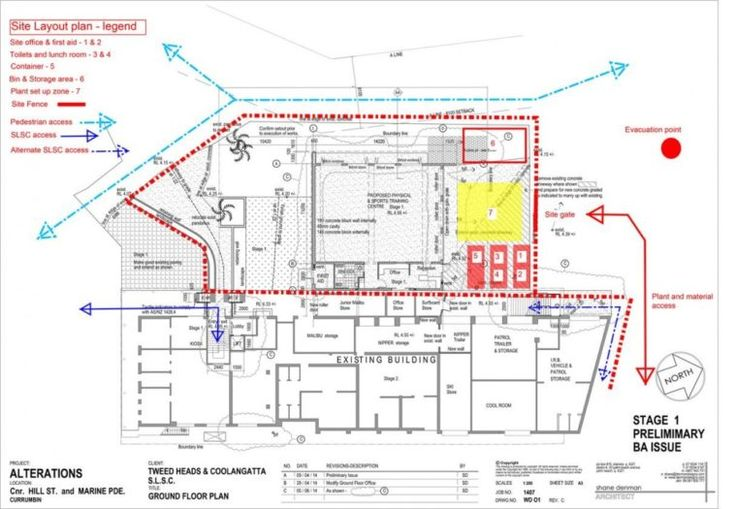
A well-designed site layout includes designated zones for material storage, equipment parking, batching areas, worker movement, and safety access paths. Engineers who fail to prepare site layout drawings often face operational chaos during peak construction phases.
Key elements of an effective site layout:
Material storage yard
Equipment movement paths
Temporary office and safety zones
Waste disposal areas
Access roads and unloading points
Workflow Planning and Construction Sequencing
Workflow planning involves defining the correct sequence of activities such as excavation, footing, column casting, beam work, slab concreting, and finishing operations. Improper sequencing leads to rework, trade clashes, and productivity loss.
For example, starting masonry work before completing MEP conduits often results in wall demolition and reconstruction, increasing time and cost.
Material Logistics and Just-in-Time (JIT) Delivery
Efficient material logistics ensures that materials are delivered as per project schedule rather than excessive bulk storage. Just-in-Time (JIT) delivery reduces storage risks, wastage, and capital blockage while maintaining continuous workflow on site.
Poor logistics planning often results in:
Material shortages during critical activities
Overstocking and material damage
Increased handling and transportation costs
Equipment Positioning and Operational Efficiency
Proper placement of cranes, batching plants, hoists, and mixers is essential for smooth workflow. Incorrect equipment positioning increases travel time, fuel consumption, and operational delays. Engineers must strategically plan equipment layout based on site size and activity zones.
Safety Implications of Poor Logistics Planning
Congested sites with unplanned material stacking and vehicle movement increase the risk of accidents, falls, and equipment collisions. Proper logistics planning improves safety by ensuring clear pathways, barricaded zones, and controlled movement systems.

Role of Site Engineers in Logistics Coordination
Site engineers are responsible for coordinating between procurement teams, store managers, contractors, and equipment operators. Their duties include planning delivery schedules, monitoring material flow, and ensuring that resources are available as per construction sequence.
Engineers who ignore logistics often face site chaos, delayed activities, and inefficient execution despite having technically sound project plans.
Digital Tools for Modern Construction Logistics Management
Advanced construction projects use project management software, BIM-based logistics simulations, and ERP systems to plan site layout and resource movement. These tools help in visualizing workflow conflicts, optimizing material flow, and improving coordination between different project stakeholders.
Common Logistics Mistakes on Construction Sites
Random material stacking without zoning
Poor access road planning for vehicles
Lack of coordination between store and site teams
Ignoring workflow sequencing
Overcrowding of machinery in limited space
These mistakes significantly reduce site productivity and increase operational risks.
Best Practices for Efficient Site Logistics and Workflow
Prepare a detailed site logistics plan before execution
Designate proper storage and movement zones
Coordinate material delivery with project schedule
Plan activity sequencing to avoid trade clashes
Conduct regular logistics review meetings
Maintain clear communication between all teams
Impact of Strong Logistics Planning on Project Success
Efficient logistics planning improves productivity, reduces delays, enhances safety, and optimizes resource utilization. Projects with structured workflow and material management systems consistently achieve better cost control and timely completion compared to poorly organized sites.
Conclusion: Logistics Planning is as Critical as Structural Planning
Construction site logistics and workflow planning are the real operational backbone of successful project execution. While structural design defines the strength of a building, logistics planning defines the efficiency of its construction process. Most site delays, cost overruns, and safety incidents can be traced back to poor planning of material flow, equipment placement, and activity sequencing.
In the modern construction industry, civil engineers who understand logistics coordination, workflow optimization, and site planning gain a significant professional advantage. Mastering this skill enables engineers to manage complex projects efficiently, reduce operational chaos, and deliver high-quality construction outcomes within time and budget constraints.


Comments