
Construction Site Cost Leakages: Where Civil Engineering Projects Secretly Lose Money
- Anjali Regmi
- Mar 3
- 3 min read

In civil engineering projects, cost overruns are often blamed on design changes, inflation, or client delays. However, in real construction environments, a large portion of financial losses occur due to hidden cost leakages at the site level. These leakages are not always dramatic or visible; instead, they accumulate gradually through material wastage, idle labor, equipment inefficiency, poor supervision, and weak documentation.
For site engineers, project managers, and contractors, understanding where money leaks during construction is a critical operational skill. Engineers who control cost leakages improve project profitability, ensure financial discipline, and enhance overall execution efficiency.
What Are Construction Cost Leakages in Practical Terms?
Cost leakage refers to unplanned financial losses that occur during project execution due to operational inefficiencies rather than approved variations. Unlike variation orders, these losses are rarely documented or justified — they silently reduce profit margins.
Examples include:
Uncontrolled material wastage
Rework due to poor supervision
Idle machinery rental costs
Theft and pilferage
Delayed decision-making
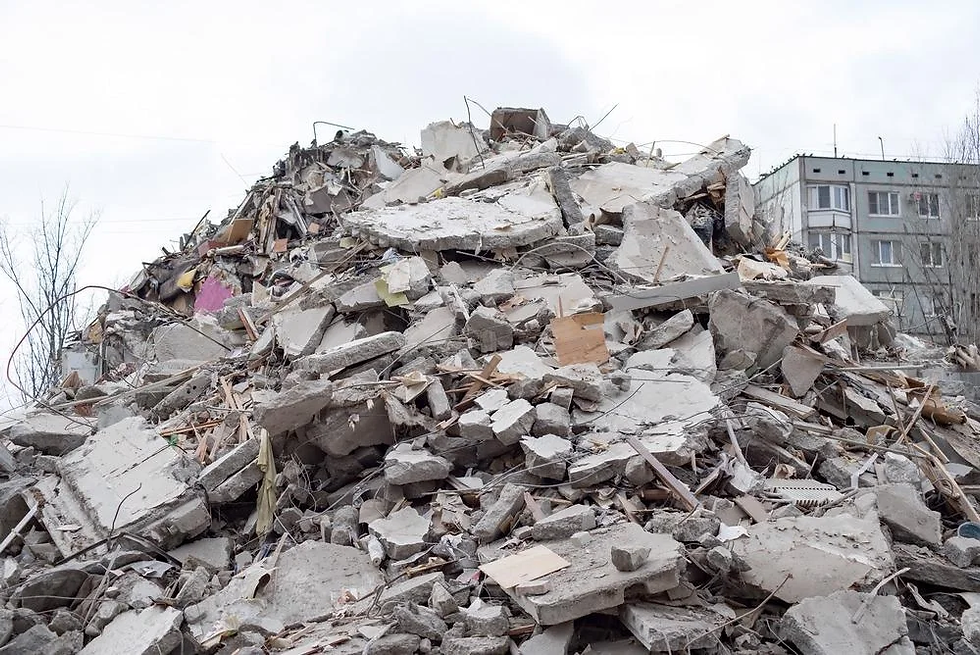
Major Sources of Cost Leakage on Construction Sites
1. Material Wastage and Poor Handling
Improper stacking of cement, careless cutting of reinforcement, and damaged bricks significantly increase consumption beyond BOQ estimates. Steel cutting without Bar Bending Schedule (BBS) optimization results in avoidable scrap losses.
2. Rework Due to Technical Errors
Incorrect alignment, improper reinforcement placement, and MEP clashes often lead to demolition and reconstruction. Rework consumes additional labor, materials, and equipment time.
Labor Inefficiency and Idle Time
Poor Task Allocation
If labor teams are not assigned clear daily targets, productivity drops and man-hours increase unnecessarily.
Waiting Time Due to Coordination Failure
Workers often remain idle due to material shortages or delayed instructions. Even short idle periods accumulate into significant financial losses over weeks.

Equipment Mismanagement
Heavy machinery such as cranes, mixers, and pumps are often rented on daily or hourly basis. Poor scheduling or breakdown due to lack of maintenance increases rental costs without productive output.
Equipment cost leakages include:
Unplanned downtime
Fuel wastage
Improper operator usage
Overlapping machine deployment
Theft and Pilferage of Materials
High-value materials such as steel, cement, copper wiring, and finishing items are vulnerable to theft on poorly monitored sites. Weak inventory systems and lack of gate pass tracking increase financial leakage.
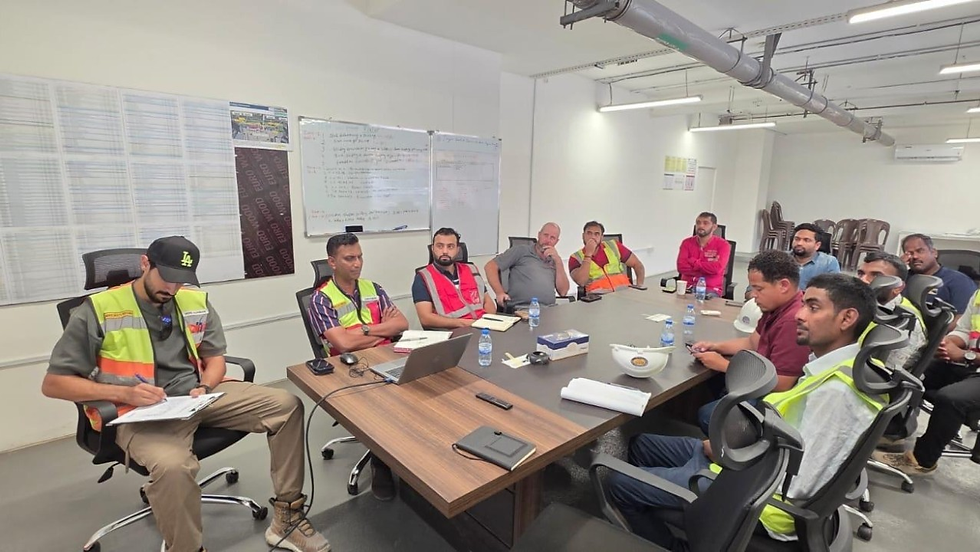
Poor Documentation and Billing Gaps
Failure to record executed quantities accurately leads to under-billing or delayed claims. Engineers who do not maintain Daily Progress Reports (DPR) and measurement sheets weaken financial tracking and revenue realization.
Communication Failures Leading to Financial Loss
Miscommunication between architect, contractor, and site engineer often results in executing outdated drawings or unapproved changes. These mistakes cause demolition, redesign, and payment disputes.
Hidden Cost of Delayed Decisions
When site engineers delay technical decisions or consultant clarifications, work stops. Each day of inactivity increases overhead expenses including supervision salaries, equipment rental, and labor costs.

Preventive Strategies to Control Cost Leakages
Strong Material Reconciliation System
Track issued vs consumed quantities regularly to detect abnormal usage.
Daily Productivity Monitoring
Measure output per labor team and equipment to prevent inefficiency.
Strict Quality Inspections
Prevent rework through checklist-based supervision.
Structured Documentation
Maintain DPR, measurement sheets, and variation logs to protect financial claims.
Security and Inventory Controls
Install CCTV, maintain stock registers, and restrict unauthorized access to storage areas.
Role of Civil Engineers in Cost Discipline
Site engineers play a central role in cost control by:
Monitoring material usage
Supervising execution quality
Coordinating workflow
Maintaining documentation
Identifying inefficiencies early
An engineer who ignores cost tracking allows financial leakage to grow unnoticed.
Impact of Cost Leakages on Project Success
Reduced contractor profit margins
Delayed project completion
Increased client disputes
Cash flow imbalance
Reduced competitiveness in future bids
Cost leakages weaken both operational performance and business sustainability.
Technology Supporting Cost Control
Modern projects use ERP systems, digital quantity tracking, and BIM-based cost estimation to improve transparency and monitoring. However, technology must be supported by disciplined on-site supervision.
Conclusion: Cost Control is an Engineering Responsibility
Construction site cost leakages are not always dramatic events; they are cumulative losses caused by small operational inefficiencies. Most financial overruns originate from material wastage, rework, idle resources, poor documentation, and weak supervision rather than large design changes.
Civil engineers who combine technical expertise with financial awareness become powerful assets in construction projects. Controlling cost leakages requires proactive monitoring, structured documentation, strong supervision, and disciplined workflow planning. In real construction environments, profitability is protected not only by accurate estimation but by vigilant on-site management that prevents money from silently leaking away.


Comments