
Construction Schedule Delays: Real Site Problems That Slow Down Civil Engineering Projects
- Anjali Regmi
- Mar 4
- 3 min read

In civil engineering projects, time is one of the most critical resources. Every construction schedule is carefully planned using project timelines, activity sequencing, and resource allocation. However, in real construction environments, projects rarely proceed exactly as planned. Delays are one of the most common and expensive challenges faced by contractors, engineers, and project managers.
Construction delays not only increase project costs but also create contractual disputes, productivity loss, and client dissatisfaction. Understanding the real reasons behind schedule delays is essential for civil engineers who want to manage projects efficiently and deliver them within deadlines.
What is a Construction Schedule Delay?
A construction delay occurs when a project or specific activity takes longer than the planned duration defined in the project schedule. Schedules are typically prepared using tools such as bar charts, Gantt charts, or Critical Path Method (CPM) planning.
When delays occur:
Project completion date shifts
Labor and equipment costs increase
Contractual penalties may apply
Cash flow becomes unstable

Major Causes of Construction Delays on Site
1. Poor Project Planning
Inaccurate estimation of activity durations or unrealistic schedules often lead to unavoidable delays later in the project.
2. Material Supply Problems
Delays in cement, steel, bricks, or finishing materials can stop construction activities completely.
3. Labor Shortage or Low Productivity
Insufficient skilled labor or poor workforce management slows down progress.
4. Equipment Failure
Breakdown of machinery such as cranes, mixers, or concrete pumps interrupts workflow.
Real Site Situations That Cause Delays
Design Changes During Construction
Late design modifications from architects or consultants require demolition and redesign.
Slow Approval Process
Delayed approvals for drawings, materials, or inspections create workflow interruptions.
Weather Conditions
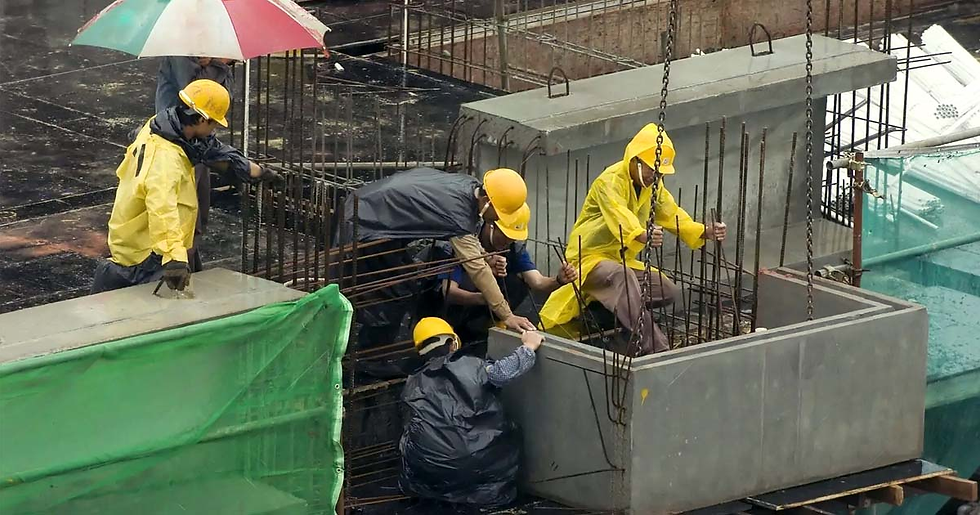
Heavy rain, extreme heat, or cold weather can halt construction activities.
Impact of Delays on Construction Projects
Project delays affect both technical and financial aspects of construction.
Major impacts include:
Increased labor and equipment costs
Contractor penalties for late completion
Cash flow disruption
Reduced productivity and morale
Client dissatisfaction
In large infrastructure projects, even a few weeks of delay can cause major financial losses.
Critical Path and Why It Matters
The Critical Path is the sequence of activities that determines the minimum project completion time. If any activity on the critical path is delayed, the entire project schedule is affected.
Engineers must monitor critical activities carefully to avoid schedule disruption.
Role of Civil Engineers in Preventing Delays
Site engineers play a crucial role in schedule control. Their responsibilities include:
Monitoring daily progress
Ensuring material availability
Coordinating between teams
Identifying potential delays early
Maintaining proper documentation
Effective supervision helps keep activities aligned with the planned schedule.
Construction Delay Analysis Methods
When delays occur, engineers analyze their causes using methods such as:
Critical Path Method (CPM) analysis
Time impact analysis
Window analysis
These techniques help determine responsibility and justify Extension of Time (EOT) claims.
Preventive Strategies for Schedule Management
Accurate Planning
Prepare realistic schedules considering site conditions and resource availability.
Proper Resource Management
Ensure labor, equipment, and materials are available before starting major activities.
Regular Progress Monitoring
Track daily and weekly progress to detect delays early.
Strong Communication
Clear coordination between architects, engineers, contractors, and clients prevents workflow disruptions.
Technology Improving Schedule Management
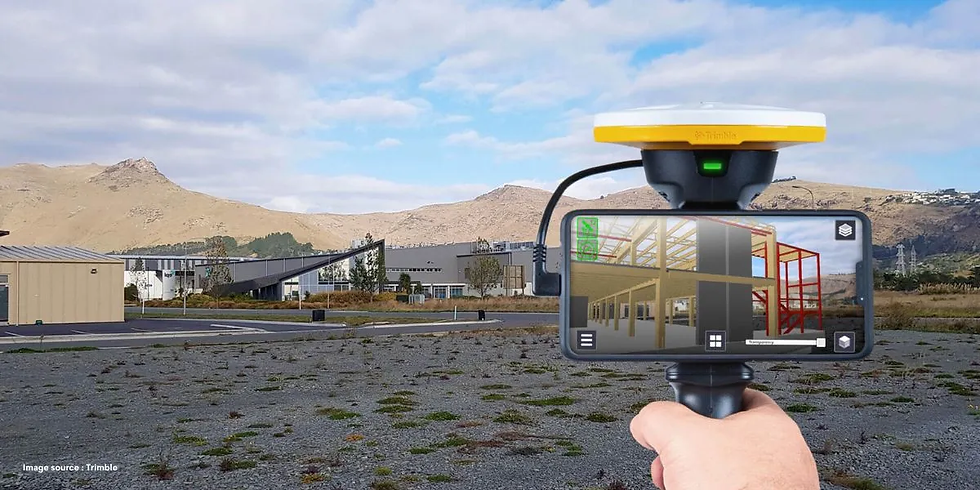
Modern construction projects use project management software such as Primavera, MS Project, and BIM-based planning tools. These technologies allow engineers to monitor progress, identify bottlenecks, and adjust schedules efficiently.
However, digital tools must be supported by disciplined on-site execution.
Financial Consequences of Project Delays
Delays often result in:
Liquidated damages penalties
Increased overhead costs
Extended equipment rental
Higher labor expenses
Managing time effectively is essential for maintaining project profitability.
Conclusion: Time Management is a Core Engineering Skill
Construction schedule delays are among the most common challenges in civil engineering projects. Most delays arise from poor planning, weak coordination, resource shortages, or unexpected site conditions rather than complex technical problems.
Civil engineers who actively monitor progress, coordinate resources, and respond quickly to emerging issues can significantly reduce project delays. In real construction practice, effective time management is just as important as technical knowledge. Engineers who master scheduling and delay prevention contribute directly to successful, timely, and cost-efficient project completion.


Comments