
Construction Rework: The Silent Profit Killer in Civil Engineering Projects (Causes, Site Realities & Prevention)
- Anjali Regmi
- Mar 1
- 4 min read

In real construction projects, one of the biggest hidden threats to cost, time, and quality is rework. Unlike visible failures such as structural cracks or delays, rework silently drains project profitability through demolition, reconstruction, material wastage, labor inefficiency, and schedule disruption. Studies across the construction industry consistently show that rework can consume 5–15% of total project cost, yet it remains one of the least systematically controlled operational problems on site.
For civil engineers, especially site engineers and project managers, understanding the root causes of construction rework and implementing preventive execution strategies is essential for achieving cost-efficient and technically sound project delivery.
What is Construction Rework in Practical Site Execution?
Construction rework refers to the correction or reconstruction of completed work due to errors, deviations from drawings, poor workmanship, or quality non-compliance. Rework may occur in structural works, finishing works, MEP coordination, or even foundation stages. Unlike planned variation work, rework is unplanned and results from execution mistakes or communication failures.

Major Causes of Rework on Construction Sites
1. Drawing Misinterpretation and Lack of Technical Clarity
One of the most common causes of rework is executing work based on incorrect understanding of drawings. Misreading reinforcement details, slab thickness, or beam dimensions leads to structural deviations that require demolition and reconstruction.
2. Poor Quality Control and Inspection Failures
Skipping pre-concreting inspections, ignoring alignment checks, and lack of supervision during execution result in defects such as honeycombing, improper cover, and dimensional inaccuracies.
Real Site Scenarios Where Rework Commonly Occurs
Incorrect Reinforcement Placement
Improper bar spacing, missing stirrups, or wrong lap lengths often go unnoticed until inspection stages, forcing engineers to dismantle and redo reinforcement work.
Shuttering and Alignment Errors
Improper formwork alignment causes dimensional deviations in beams, columns, and slabs, requiring costly corrections before finishing works.
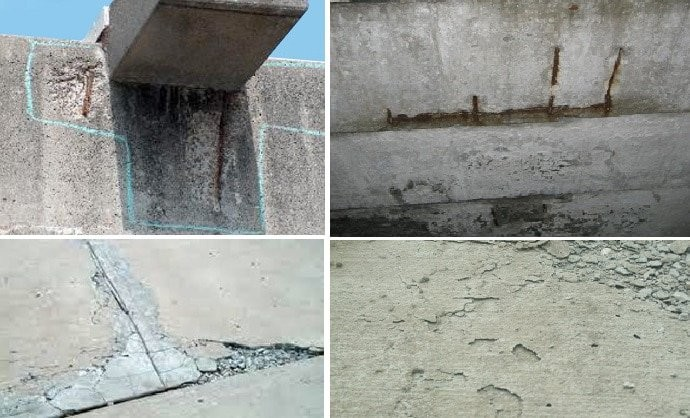
MEP and Structural Coordination Clashes
Lack of coordination between civil and MEP teams often results in cutting beams or slabs for service lines after concreting, which severely compromises structural integrity and increases repair costs.
Operational and Financial Impact of Rework
Increased material wastage (cement, steel, aggregates)
Additional labor and equipment costs
Project delays and missed milestones
Reduced productivity and workforce morale
Loss of contractor profit margins
Rework not only affects project timelines but also damages the professional credibility of engineers and contractors.
Technical Errors That Frequently Lead to Rework
Improper Leveling and Surveying
Incorrect layout marking and elevation errors lead to foundation misalignment and uneven structural levels, requiring rectification work.
Poor Concrete Practices
Issues like segregation, improper compaction, and inadequate curing lead to surface defects and structural weaknesses that require repair or recasting.
Role of Communication Failure in Construction Rework
Many rework incidents occur due to lack of coordination between architects, consultants, contractors, and site engineers. Delayed drawing revisions, unclear specifications, and undocumented verbal instructions often result in execution mistakes that must later be corrected.
Preventive Quality Control Strategies to Minimize Rework
Pre-Execution Checklists
Engineers must verify drawings, reinforcement, shuttering, and embedded items before starting major activities like concreting.
Stage-Wise Inspections
Inspection at each stage (excavation, reinforcement, formwork, concreting) helps identify defects early before they escalate into major rework.
Mock-Ups and Sample Approvals
For finishing works, mock-ups and trial executions reduce the risk of large-scale rework due to aesthetic or specification mismatches.
Documentation and RFI Management to Prevent Rework
Proper documentation, RFIs, and written approvals ensure that work is executed with technical clarity. Engineers who rely only on verbal instructions are more likely to face execution errors and rework situations.

Modern Technologies Reducing Rework in Construction
Advanced tools like BIM (Building Information Modeling), 3D clash detection, and digital project management software help identify design conflicts before execution. These technologies significantly reduce rework by improving coordination and technical accuracy.
Leadership and Supervision: The Engineer’s Role in Rework Prevention
Strong site supervision is the most effective way to reduce rework. Engineers must actively monitor workmanship, conduct daily inspections, and enforce quality standards. Passive supervision and over-reliance on contractors increase the probability of execution errors.
Best Site Practices to Control Rework
Conduct drawing briefings before execution
Implement strict quality inspection protocols
Maintain proper documentation and checklists
Ensure skilled labor supervision
Coordinate with MEP and design teams regularly
Use accurate surveying and layout verification
Long-Term Consequences of Frequent Rework
Repeated rework weakens structural durability, increases lifecycle maintenance costs, and damages project reputation. In large infrastructure and commercial projects, excessive rework can even lead to contractual penalties and client dissatisfaction.
Conclusion: Zero Rework is a Sign of Engineering Excellence
Construction rework is not just a technical issue but a major operational and financial challenge in civil engineering projects. Most rework originates from poor planning, weak supervision, communication gaps, and lack of quality control rather than complex design flaws. Engineers who implement preventive inspection systems, maintain technical clarity, and enforce disciplined execution significantly reduce rework and improve project efficiency.
In the modern construction industry, minimizing rework is directly linked to profitability, productivity, and professional credibility. A civil engineer who focuses on first-time-right execution, strong coordination, and proactive quality management establishes themselves as a technically competent and operationally reliable professional capable of delivering high-quality projects with minimal wastage and maximum efficiency.


Comments