
Construction Rework in Civil Projects: Technical Errors That Force Engineers to Demolish and Rebuild
- Anjali Regmi
- Feb 8
- 3 min read

Introduction
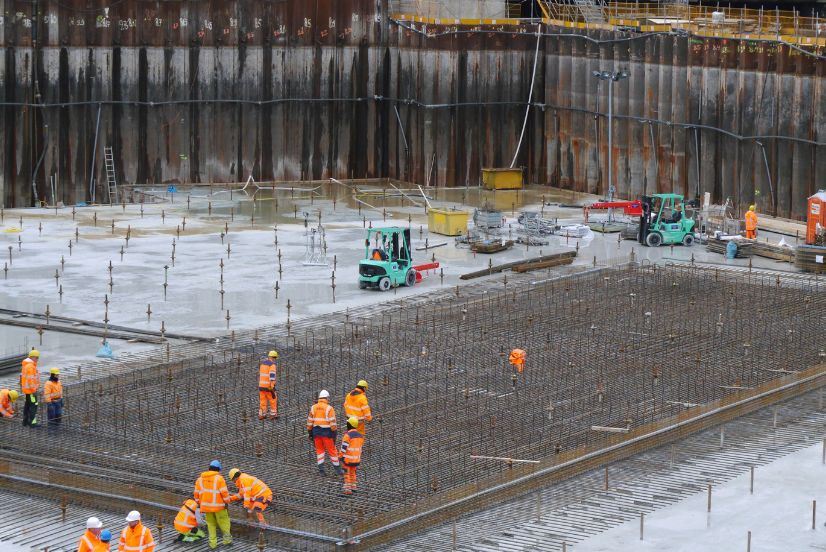
Construction rework is one of the most damaging yet underestimated problems in civil engineering projects. Rework refers to the demolition, correction, or reconstruction of work that was already completed but found to be defective or non-compliant. In real projects, rework does not occur because engineers lack knowledge—it happens because technical errors, coordination gaps, and execution-level negligence go unnoticed until it is too late. Rework wastes time, money, materials, and often compromises morale and project credibility.
Why Construction Rework Is a Serious Engineering Problem
Rework is not just a financial issue; it is a technical and managerial failure. Once concrete is cast, walls are built, or services are embedded, correcting errors becomes exponentially more difficult. Rework disrupts construction sequencing, delays dependent activities, and increases safety risks. In many projects, repeated rework cycles indicate deeper issues in planning, supervision, and engineering discipline.
Incorrect Interpretation of Drawings
One of the most common causes of rework is misreading or misinterpreting construction drawings. Errors in levels, dimensions, reinforcement details, or alignment often arise when drawings are not properly studied or coordinated. For example, slabs cast at incorrect levels due to misunderstood benchmarks may require hacking or overlay correction. Similarly, walls constructed without checking structural drawings may obstruct services or violate load paths, forcing demolition.

Design–Coordination Failures Between Disciplines
Civil projects involve coordination between structural, architectural, and MEP systems. When drawings are not coordinated, clashes occur on site. Service ducts cut through beams, pipe sleeves are missed, and openings are created without approval. These issues force engineers to either redesign structural elements or demolish completed work to accommodate services, both of which cause major rework.
Poor Setting-Out and Surveying Errors
Surveying mistakes are silent but costly. Incorrect reference points, wrong benchmarks, and instrument errors lead to misaligned columns, walls, and foundations. Once structural elements are constructed in the wrong location or orientation, correction usually requires demolition. Boundary-related surveying errors also lead to legal disputes and forced reconstruction.
Quality Control Failures During Execution
Lack of quality control results in work that fails to meet specifications. Concrete with inadequate strength, honeycombing, improper cover, or poor finishing often requires chipping, jacketing, or complete recasting. Masonry built with incorrect mortar, uneven courses, or poor bonding must be dismantled to maintain structural and aesthetic standards. Accepting substandard work to save time usually leads to greater rework later.
Improper Construction Sequence
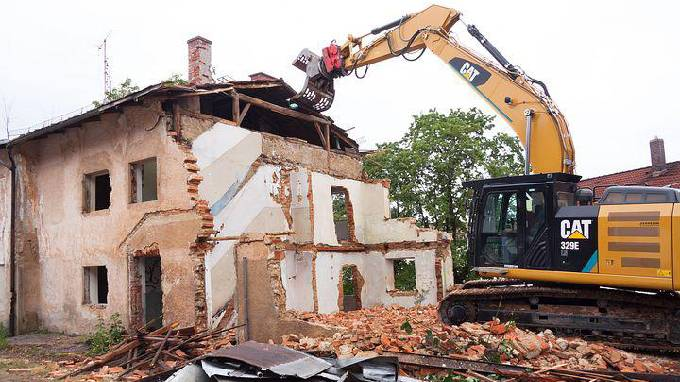
Incorrect sequencing of activities is a major contributor to rework. Casting slabs before completing embedded services, constructing walls before finalizing layouts, or applying finishes before waterproofing completion results in avoidable demolition. Fast-track projects are particularly vulnerable, as overlapping activities increase the risk of mistakes.
Unauthorized Site-Level Modifications
Site teams sometimes modify drawings without formal approval to overcome practical difficulties. Reducing reinforcement, changing section sizes, or relocating elements may seem harmless but often violate design intent. When these deviations are discovered during inspection or audit, engineers are forced to demolish and reconstruct work to restore compliance.
Inadequate Supervision and Skill Gaps
Untrained labor and weak supervision amplify execution errors. Workers may follow outdated drawings, ignore specifications, or adopt shortcuts. Without continuous supervision, small deviations accumulate into major defects. When discovered, correction often requires extensive rework rather than simple repair.
Impact of Construction Rework on Projects
Rework increases direct costs through additional labor, materials, and equipment. Indirectly, it delays schedules, disrupts cash flow, and strains client–contractor relationships. Rework also increases safety risks, as demolition activities expose workers to falling debris and unstable structures. From an engineering standpoint, rework undermines confidence in quality systems and project governance.
Role of Civil Engineers in Preventing Rework
Civil engineers play a central role in minimizing rework. Thorough drawing review, coordination meetings, and pre-construction checks prevent many errors. Site engineers must verify levels, reinforcement, and layouts before execution. Encouraging a culture where workers report issues early rather than hiding mistakes reduces large-scale rework.
Engineering Best Practices to Reduce Construction Rework
Effective measures include using coordinated drawings, conducting mock-ups, implementing inspection checklists, and enforcing approval systems for changes. Digital tools such as BIM further reduce clashes and errors. Most importantly, engineers must resist pressure to proceed without clarity, as prevention is always cheaper than correction.
Conclusion
Construction rework is not an unavoidable part of civil engineering—it is a symptom of preventable technical and managerial failures. Most rework arises from drawing misinterpretation, coordination gaps, poor supervision, and rushed execution. For civil engineers, the goal is not just to build fast, but to build right the first time. Projects that minimize rework protect quality, safety, and professional integrity, ultimately delivering lasting value rather than repeated correction.


Comments