
Construction Projects Do Not Become Stressful Overnight Pressure Builds Slowly Every Single Day
- Anjali Regmi
- May 21
- 2 min read

Introduction
Most people think construction pressure comes only from major emergencies, accidents, or project failures. In reality, stress on construction sites usually builds gradually through daily challenges, constant responsibilities, and continuous problem-solving.
One delayed approval may not seem serious. One missing material delivery may feel manageable. One client revision may look small. But when dozens of these issues happen repeatedly over weeks and months, the pressure becomes mentally exhausting for engineers and project teams.
Construction management is not stressful because of one bad day. It becomes stressful because problems rarely stop completely.
Site Engineers Handle Multiple Problems Simultaneously

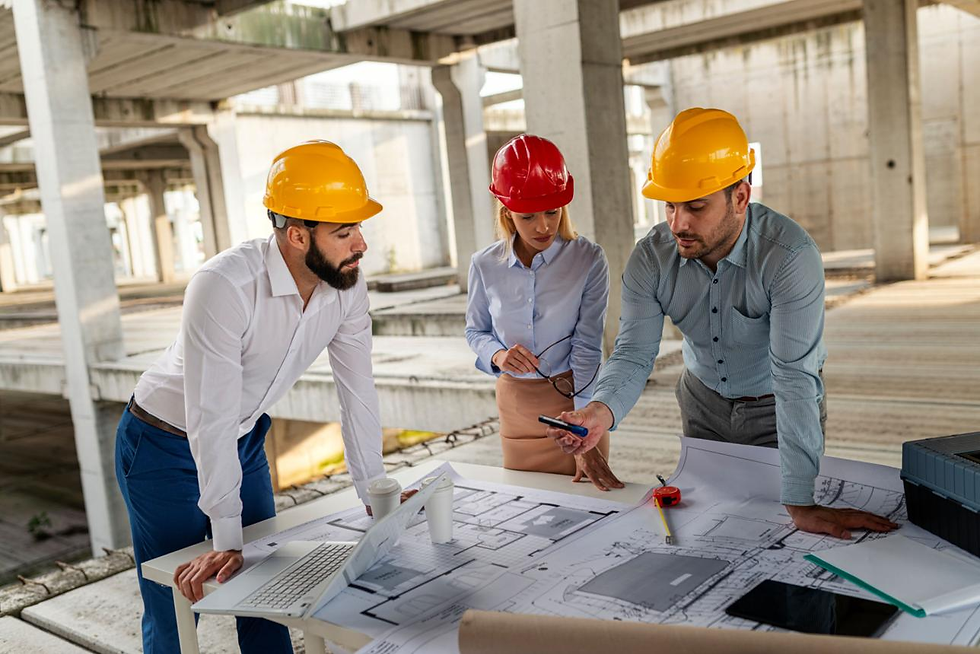
A typical construction day involves supervision, coordination, reporting, quality checks, labor management, safety monitoring, material tracking, client communication, and problem-solving at the same time.
Engineers are constantly shifting attention between urgent issues while trying to maintain overall project control.
Small Delays Quietly Increase Daily Pressure
Repeated delays slowly create a chain reaction across the project.
When approvals, inspections, deliveries, or decisions are delayed continuously, engineers begin working under constant recovery pressure to protect project timelines.
Construction Stress Continues Even After Site Hours End

Unlike many professions, construction responsibilities often continue beyond official working hours.
Engineers regularly deal with late-night calls, urgent updates, pending approvals, next-day planning, and unresolved site concerns even after leaving the project site.
Responsibility Feels Heavier When Projects Depend on Your Decisions
Construction decisions affect safety, quality, costs, schedules, and workforce productivity.
Knowing that one wrong decision may create major consequences adds constant mental pressure to the role of site engineers and project managers.
Experienced Engineers Learn to Function Calmly Under Continuous Pressure
Strong engineers understand that construction pressure cannot be eliminated completely.
Instead, they develop discipline, emotional control, structured planning, and problem-solving habits that help them stay effective even during difficult project phases.
Conclusion
Construction projects rarely become stressful because of one major incident. Pressure usually builds slowly through constant responsibilities, repeated delays, and daily problem-solving demands.
For civil engineers, long-term success depends not only on technical knowledge but also on mental resilience, adaptability, and the ability to remain calm while managing continuous pressure.
In construction, staying composed during difficult situations is often what separates experienced professionals from everyone else.


Comments