
Construction Projects Become Unstable the Moment Teams Stop Trusting Each Other
- Anjali Regmi
- May 25
- 2 min read

Introduction
Construction projects depend heavily on coordination between engineers, contractors, supervisors, consultants, vendors, and workers. But one of the biggest hidden dangers on any site begins when trust between teams starts weakening.
When communication becomes unreliable, commitments are repeatedly missed, updates stop being transparent, or blame replaces cooperation, projects slowly lose stability. Coordination becomes slower, conflicts increase, and every activity starts requiring unnecessary verification and follow-ups.
For civil engineers, maintaining trust across project teams is just as important as maintaining schedules and technical quality.
Weak Trust Slows Down Daily Coordination
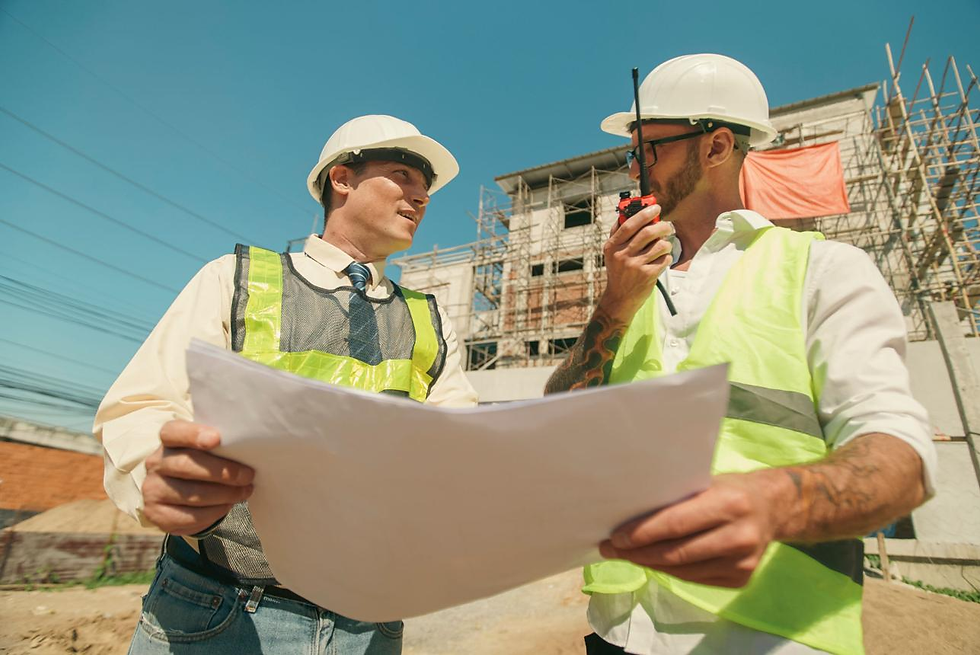
Projects move efficiently when teams trust that information, commitments, and timelines are reliable.
Once trust weakens, people begin double-checking everything, delaying decisions, and hesitating to depend on each other during execution.
Repeated Missed Commitments Damage Project Confidence
Repeated delays, inaccurate updates, or unrealistic promises slowly reduce confidence between project teams.
Over time, this creates frustration and weakens overall coordination efficiency across the site.
Blame Culture Replaces Problem-Solving When Trust Declines

When teams stop trusting each other, people become more focused on protecting themselves than solving problems collectively.
This creates defensive communication, delayed reporting, and reduced willingness to cooperate during difficult situations.
Honest Communication Helps Rebuild Stability
Projects recover faster when teams communicate openly about delays, risks, and limitations instead of hiding problems.
Transparency improves coordination and allows engineers to plan realistic recovery actions earlier.

Strong Engineers Build Reliability Through Consistency
Experienced engineers understand that trust is built gradually through consistent actions, accountability, and professional communication.
Reliable leadership creates more stable work environments even during stressful project phases.
Conclusion
Construction projects become unstable very quickly when trust between teams begins breaking down.
For civil engineers, maintaining transparency, accountability, reliable communication, and professional coordination is essential for preserving teamwork and project stability under pressure.
In construction management, strong trust between teams often prevents operational problems long before technical solutions are required.


Comments