
Construction Material Wastage: How Poor Site Management Increases Project Costs
- Anjali Regmi
- Mar 4
- 3 min read

In civil engineering projects, materials such as cement, steel, sand, aggregates, bricks, and finishing products represent a major portion of the total construction cost. However, one of the most overlooked operational problems on construction sites is excessive material wastage. Small daily losses of materials may seem insignificant, but over the duration of a project they accumulate into substantial financial losses.
Material wastage not only increases project costs but also reduces profitability, delays progress, and negatively affects sustainability. For civil engineers, effective material management and wastage control are essential skills that directly influence project efficiency and budget control.
What is Construction Material Wastage?
Material wastage refers to the loss of construction materials during handling, storage, transportation, or execution that exceeds the planned consumption defined in the Bill of Quantities (BOQ). Some wastage is unavoidable due to cutting, handling, and processing, but excessive wastage often results from poor planning and supervision.
Common materials prone to wastage include:
Cement
Steel reinforcement
Bricks and blocks
Sand and aggregates
Tiles and finishing materials
Major Causes of Material Wastage on Construction Sites
Poor Storage Conditions
Improper storage exposes materials to rain, moisture, and physical damage. Cement bags absorb moisture and lose strength if not stored in dry conditions.
Improper Handling During Transportation
Careless unloading and transportation lead to breakage of bricks, tiles, and glass materials.
Lack of Material Planning
Ordering excessive quantities without proper planning increases the risk of unused materials deteriorating before use.
Steel Reinforcement Wastage
Steel is one of the most expensive materials in RCC construction. Reinforcement wastage often occurs due to:
Incorrect bar bending schedule (BBS)
Unplanned cutting of reinforcement bars
Poor inventory management
Proper BBS planning can significantly reduce steel scrap.

Cement and Concrete Wastage
Concrete wastage may occur due to:
Excess mixing beyond requirement
Spillage during transportation
Improper batching or measurement
Poor formwork leading to leakage
Controlling concrete production and formwork quality reduces such losses.
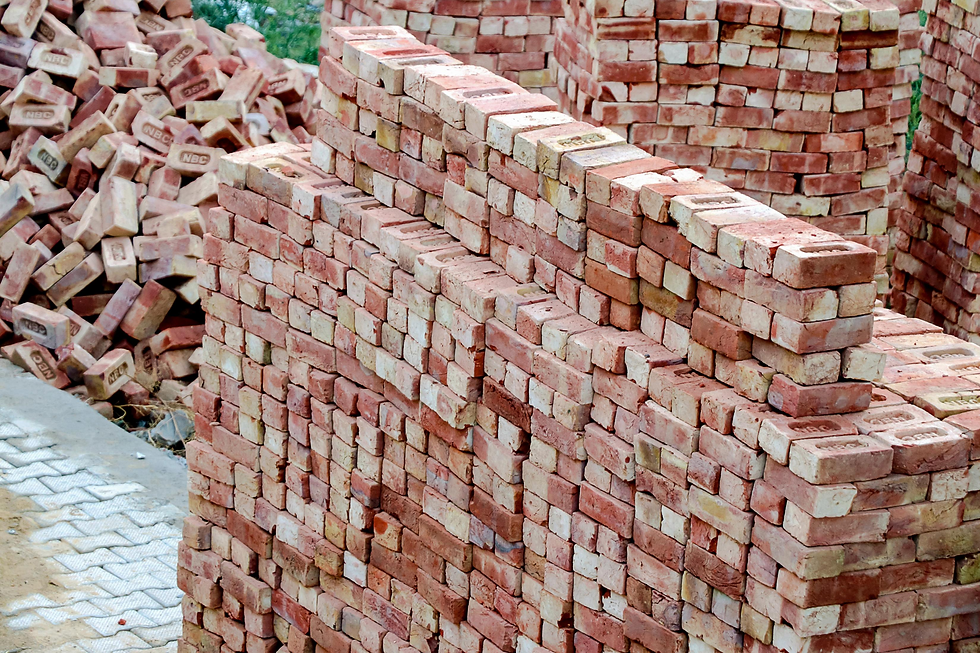
Brick and Block Wastage
Brick damage often occurs during:
Loading and unloading
Rough handling by workers
Poor stacking methods
Cutting during masonry work
Even small percentages of breakage can significantly increase masonry costs.
Impact of Material Wastage on Construction Projects
Excessive material wastage leads to:
Increased project costs
Higher procurement expenses
Storage space problems
Environmental impact due to waste generation
Efficient material management is essential for both financial and environmental sustainability.
Role of Civil Engineers in Material Management
Site engineers play a crucial role in controlling material wastage by:
Monitoring material usage daily
Verifying quantities against BOQ estimates
Supervising material handling practices
Coordinating with procurement teams
Active supervision ensures that materials are used efficiently.
Importance of Material Reconciliation
Material reconciliation compares the quantity of material issued from storage with the quantity actually used on site. This process helps identify abnormal consumption and detect wastage early.
For example:
Steel reconciliation = Steel issued – Steel used in structure
Regular reconciliation improves accountability and cost control.

Preventive Strategies to Reduce Material Wastage
Proper Storage Systems
Store materials in protected areas with proper stacking methods.
Accurate Quantity Planning
Order materials according to project schedule to avoid overstocking.
Skilled Labor Training
Workers should be trained in proper handling and cutting techniques.
Quality Formwork
Leakage-proof formwork prevents concrete loss.
Regular Supervision
Continuous monitoring ensures materials are used efficiently.
Technology Supporting Material Management
Modern construction projects use digital inventory systems and ERP software to track material consumption and stock levels. These systems improve transparency and help engineers monitor material flow in real time.
Environmental Impact of Construction Waste
Construction waste contributes significantly to environmental pollution. Excessive wastage increases landfill usage and depletes natural resources such as sand and aggregates. Sustainable construction practices emphasize minimizing waste and recycling materials where possible.
Conclusion: Material Control is a Key Engineering Responsibility
Construction material wastage is one of the most preventable sources of cost overruns in civil engineering projects. Most wastage occurs due to poor storage, weak supervision, improper planning, and inefficient handling rather than unavoidable technical reasons.
Civil engineers who implement disciplined material management systems, monitor consumption regularly, and enforce proper handling practices significantly improve project efficiency and cost control. In real construction practice, controlling material wastage is not only a financial necessity but also a sign of professional responsibility and sustainable engineering management.


Comments