
Construction Management Gets Hardest When the Project Is Technically Possible but Operationally Difficult
- Anjali Regmi
- Jun 1
- 2 min read

Introduction
Some construction challenges are straightforward. A technical problem is identified, calculations are reviewed, a solution is developed, and work continues.
The most difficult projects, however, are often not limited by technical capability. The design works. The engineering is sound. The resources exist. The project can be completed.
The real challenge is making everything happen at the right time, in the right sequence, with the right people, under real-world conditions.
For civil engineers, many of the toughest project phases are not engineering problems—they are operational problems.

Technical Solutions Are Often Easier Than Operational Solutions
Technical challenges usually have defined answers.
Engineering standards, calculations, specifications, and industry practices provide clear frameworks for solving many technical issues.
Operational challenges are often far less predictable.
Coordination Creates More Complexity Than Calculations
A technically correct solution still requires procurement, manpower, equipment, approvals, logistics, inspections, and execution.
If any one of these elements falls behind, project performance caN suffer regardless of how strong the engineering solution may be.
Real Projects Depend on Timing

Construction success often depends on timing rather than capability.
Materials arriving a week late, approvals being delayed, or activities occurring out of sequence can create major disruptions even when every technical requirement has been satisfied.
Operational Challenges Compound Quickly
One operational issue rarely stays isolated.
A delayed delivery can affect labor productivity. Reduced productivity can impact schedules. Schedule pressure can increase coordination difficulties and create additional risks elsewhere.
Strong Engineers Think Beyond the Drawings
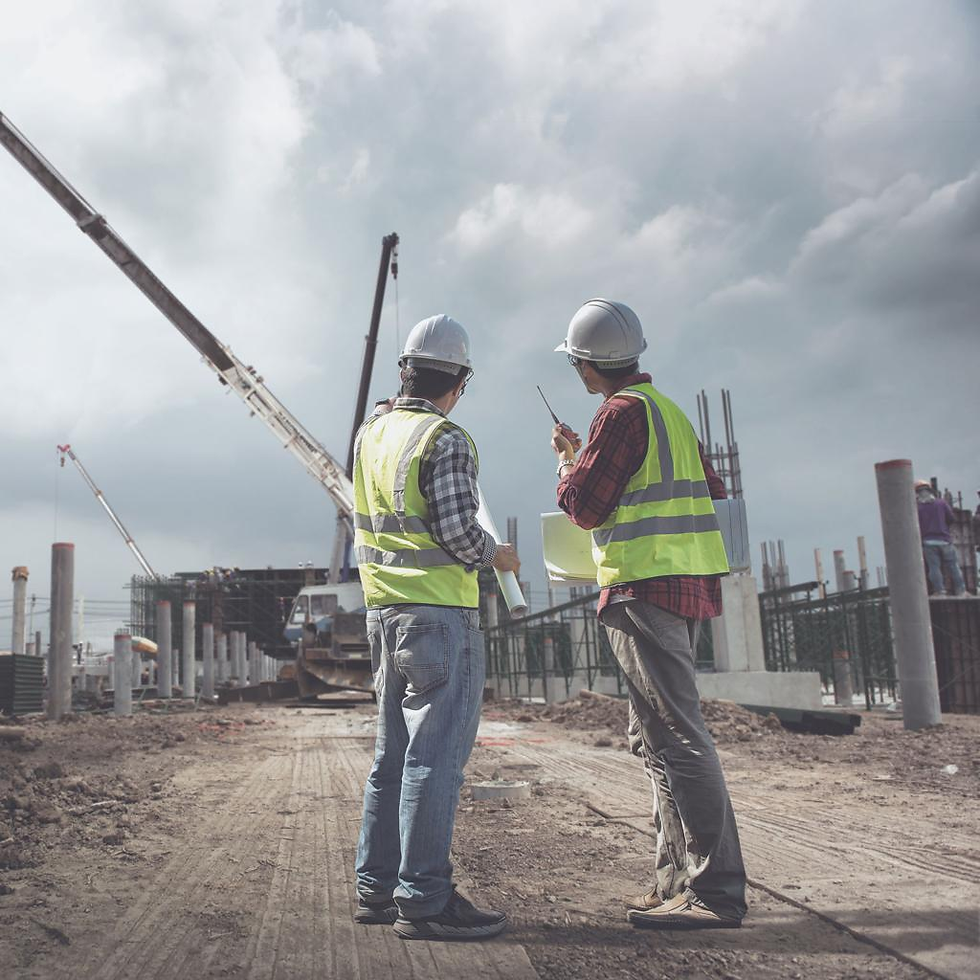
Experienced professionals understand that successful execution requires balancing technical requirements with operational realities.
They focus not only on what should happen, but also on how, when, and under what conditions it will happen.
Conclusion
Construction management becomes hardest when the engineering solution is clear but the operational path is complicated.
For civil engineers, long-term success depends on mastering coordination, timing, communication, logistics, and execution—not just technical design.
In construction, knowing how to build something is important. Knowing how to make it happen in the real world is what truly determines project success.


Comments