
Construction Joint Failures: Why Cold Joints and Expansion Joint Mistakes Damage RCC Structures
- Anjali Regmi
- Mar 6
- 3 min read

In reinforced concrete construction, joints are inevitable. Concrete is often poured in stages, and large structures require joints to accommodate movement caused by temperature changes, shrinkage, and structural loads. However, improper planning or execution of construction joints can create weak points in structures, leading to cracks, leakage, and long-term durability problems.
Construction joint failures are among the most overlooked technical issues on construction sites. When joints are not properly designed, prepared, or treated, they reduce the structural integrity of concrete members and allow water penetration, which accelerates reinforcement corrosion.
What Are Construction Joints?
Construction joints are intentional separations between different concrete pours. They are introduced when concrete placement cannot be completed in a single continuous operation.
Types of joints used in concrete structures include:
Construction joints – formed between different concrete pours
Expansion joints – allow movement due to temperature changes
Control joints – reduce cracking due to shrinkage
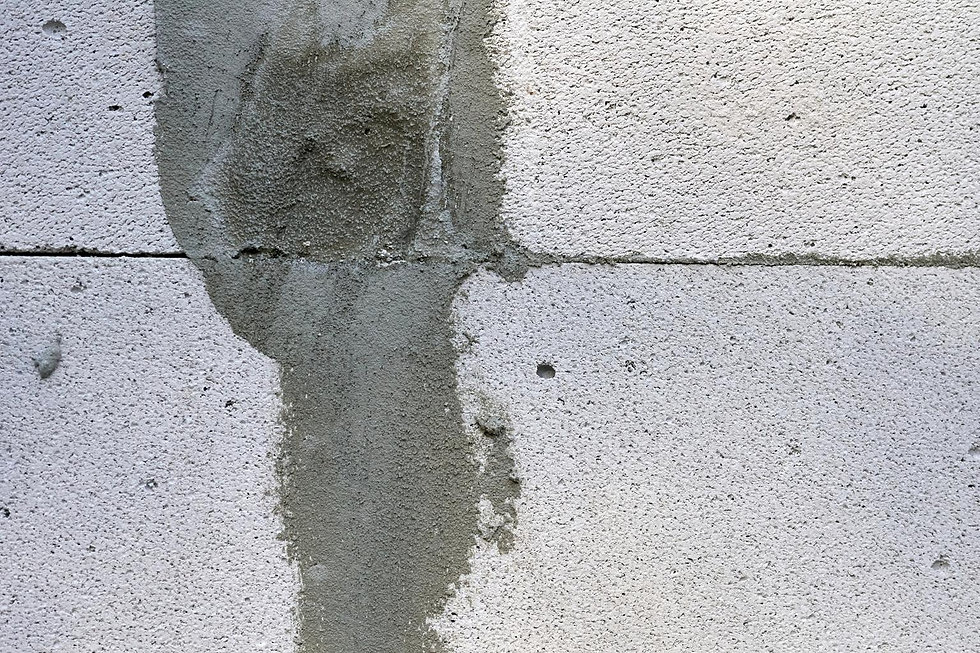
What is a Cold Joint?
A cold joint occurs when fresh concrete is poured against previously hardened concrete without proper surface preparation. Instead of forming a strong bond, the two layers remain weakly connected.
Cold joints often appear as visible lines across slabs or beams and can become points of structural weakness.
Causes of Cold Joints in Construction
Cold joints typically occur due to interruptions during concrete pouring.
Common causes include:
Delay in concrete delivery
Equipment breakdown (concrete pump or mixer failure)
Insufficient labor for continuous pouring
Poor planning during large slab pours
Structural Risks Associated with Cold Joints
Cold joints reduce the structural continuity of concrete members. This can lead to:
Reduced load transfer between concrete layers
Increased risk of cracking
Weak shear strength in beams and slabs
Water leakage through joints
These problems often appear years after construction.
Expansion Joint Failures
Expansion joints allow structures to expand and contract due to temperature variations. Without these joints, concrete may crack under thermal stress.
However, improper installation of expansion joints can cause problems such as:
Joint separation
Water leakage
Structural misalignment

Importance of Proper Joint Preparation
When concrete is poured in stages, the previously hardened surface must be properly prepared to ensure bonding with fresh concrete.
Surface preparation typically includes:
Cleaning dust and loose particles
Roughening the surface
Applying bonding agents
Wetting the surface before pouring
These steps improve adhesion between concrete layers.
Waterproofing and Joint Sealing
Joints are vulnerable points for water penetration. Proper sealing is necessary to prevent leakage.
Common joint sealing materials include:
Rubber waterstops
Polyurethane sealants
PVC joint fillers
Bituminous sealants
Correct installation of these materials ensures watertight joints.

Role of Civil Engineers in Joint Management
Site engineers must ensure proper planning and supervision during joint construction.
Their responsibilities include:
Planning joint locations in advance
Ensuring continuous concrete pouring
Inspecting joint preparation before new pours
Verifying installation of joint sealing materials
Active supervision helps prevent joint-related structural defects.
Best Practices to Avoid Cold Joints
To prevent cold joints during concrete placement:
Plan continuous pouring operations
Ensure availability of sufficient labor and equipment
Maintain proper communication with concrete suppliers
Monitor pouring progress carefully
These practices ensure uniform concrete bonding.
Repairing Cold Joints and Joint Failures
If cold joints or joint defects occur, repair techniques may include:
Epoxy injection
Grouting
Surface bonding agents
Structural strengthening methods
However, repairing structural joints after construction can be costly and technically challenging.
Long-Term Consequences of Poor Joint Construction
Improper joints may lead to:
Structural cracking
Water leakage
Reinforcement corrosion
Reduced durability of the structure
These problems increase maintenance costs and shorten the lifespan of the building.
Conclusion: Joint Management Ensures Structural Continuity
Construction joints are unavoidable in concrete structures, but their proper planning and execution are essential for maintaining structural strength and durability. Cold joints and expansion joint failures often occur due to poor planning, interrupted concrete pouring, and inadequate supervision.
Civil engineers who carefully plan joint locations, ensure proper surface preparation, and supervise sealing operations significantly reduce structural risks. In real construction practice, effective joint management reflects strong technical knowledge and commitment to delivering durable and reliable structures.


Comments