
Construction Delays in Civil Engineering Projects: Technical, Contractual, and Site-Level Reasons
- Anjali Regmi
- Feb 7
- 4 min read

Introduction
Construction delays are one of the most persistent and costly problems in civil engineering projects. Whether it is a residential building, highway, bridge, or industrial plant, delays affect budgets, quality, stakeholder relationships, and project credibility. While delays are often blamed on external factors such as weather or approvals, real-life projects show that most delays are rooted in technical gaps, contractual weaknesses, and site-level inefficiencies. Understanding these causes from an engineering perspective is essential for preventing repetition and managing projects realistically.
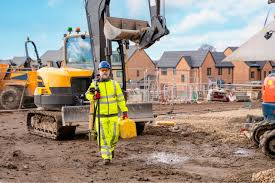
Understanding Construction Delays in Real Projects
A construction delay occurs when project activities extend beyond the planned schedule. Delays are rarely caused by a single issue; instead, they result from a chain of interconnected problems. Technical errors trigger rework, contractual ambiguities slow decisions, and site-level mismanagement amplifies small issues into major setbacks. Successful engineers focus not only on identifying delays but also on understanding their root causes.
Technical Reasons for Construction Delays
Inadequate Soil Investigation and Design Assumptions
One of the most common technical reasons for delay is poor or insufficient soil investigation. When actual ground conditions differ from assumed values, foundation designs require revision. This leads to redesign, additional testing, approval cycles, and stoppage of work. In extreme cases, already executed foundations need strengthening or modification, causing major time loss.
Frequent Design Revisions and Drawing Errors
Design changes during construction significantly disrupt progress. Incomplete drawings, coordination issues between structural, architectural, and services drawings, or late-stage client modifications result in rework. Even small drawing errors—such as level mismatches or missing reinforcement details—can halt site activities until clarifications are issued.
Poor Planning and Scheduling
Unrealistic schedules prepared without considering site constraints often lead to inevitable delays. Ignoring resource availability, curing time, approval durations, and monsoon impact creates plans that look good on paper but fail in execution. When planning lacks technical realism, site teams are forced into reactive firefighting rather than systematic execution.
Contractual Reasons for Construction Delays
Ambiguous Contract Clauses
Poorly drafted contracts are a major contributor to disputes and delays. Ambiguous clauses related to scope, payment terms, variation handling, and responsibility allocation lead to disagreements between clients, contractors, and consultants. When roles are unclear, decision-making slows down, and work progress suffers.
Delayed Payments and Cash Flow Issues
Construction is cash-flow driven. Delayed payments from clients to contractors directly affect labor availability, material procurement, and equipment deployment. Even technically sound projects suffer delays when contractors are financially strained and unable to maintain momentum on site.
Variation Orders and Approval Bottlenecks
Changes in scope are common in civil engineering projects, but delays occur when variation orders are not approved promptly. When contractors execute additional work without written approvals, disputes arise later, leading to work stoppages. Slow approval systems create uncertainty and discourage proactive progress.

Site-Level Reasons for Construction Delays
Poor Site Management and Supervision
Ineffective supervision leads to improper sequencing of activities, poor coordination between trades, and quality failures that require rework. When site engineers lack authority or clarity, decisions are delayed, and productivity drops. Small daily inefficiencies compound into significant schedule overruns.
Labor Shortage and Skill Gaps
Availability of skilled labor is a major challenge in many regions. Untrained workers increase execution time, produce substandard work, and require constant supervision. High labor turnover further disrupts continuity and learning curves, slowing overall progress.
Material Procurement and Logistics Issues
Delays in material supply due to poor planning, vendor dependency, or transportation issues halt critical activities. Incorrect material specifications or late testing approvals also result in rejection and replacement, further delaying execution.
Equipment Breakdowns and Resource Mismanagement
Construction equipment failures caused by poor maintenance or overuse lead to unexpected stoppages. Inadequate backup planning for cranes, batching plants, or formwork systems increases vulnerability to delays, especially during peak execution stages.
External Factors That Intensify Delays
Weather conditions such as heavy rainfall, extreme heat, or flooding can disrupt construction activities. Delays in statutory approvals, utility shifting, and land access issues also affect progress. While these factors are often unavoidable, their impact increases significantly when projects lack contingency planning.
Impact of Construction Delays on Projects
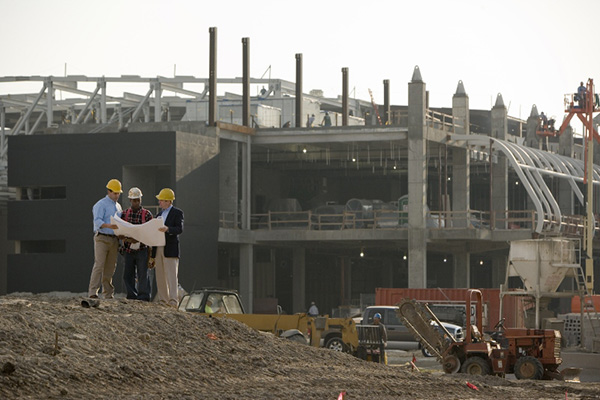
Delays lead to cost overruns due to extended overheads, price escalation, and penalty clauses. Quality often suffers as teams rush to recover lost time. Prolonged delays damage stakeholder relationships and may result in legal disputes or blacklisting of contractors. From an engineering standpoint, delayed projects often experience compromised workmanship and reduced long-term performance.
Role of Engineers in Managing and Preventing Delays
Civil engineers play a central role in delay mitigation. Proactive planning, realistic scheduling, clear communication with designers, and strict quality control reduce the likelihood of rework. Engineers who understand contracts can anticipate approval bottlenecks and maintain proper documentation. Regular progress reviews, risk identification, and coordination meetings help detect issues early before they escalate.
Conclusion
Construction delays are not random events; they are predictable outcomes of technical gaps, contractual weaknesses, and site-level inefficiencies. While external factors may trigger delays, the severity of their impact depends on project preparedness and engineering discipline. By integrating sound technical planning, clear contractual frameworks, and effective site management, civil engineering projects can significantly reduce delays. Ultimately, timely project delivery is not just a management goal—it is a reflection of engineering competence and professional accountability.


Comments