
Concrete Quality Control on Site: Practical Tests, Common Mistakes & Failure Prevention Techniques
- Anjali Regmi
- Feb 26
- 5 min read

Concrete is the backbone of modern civil engineering structures, and its quality directly determines the strength, durability, and safety of any construction project. While laboratory mix designs may meet all technical standards, the real challenge begins during on-site execution. In practical construction environments, factors such as improper mixing, poor curing, unskilled labor, and lack of testing often compromise concrete quality. For civil engineers, especially site engineers and fresh graduates, mastering concrete quality control is not just a technical requirement but a critical operational responsibility.
Understanding on-site concrete quality control involves a combination of material inspection, field testing, supervision, documentation, and preventive engineering practices that ensure structural integrity and long-term performance.
Understanding the Importance of Concrete Quality Control in Construction
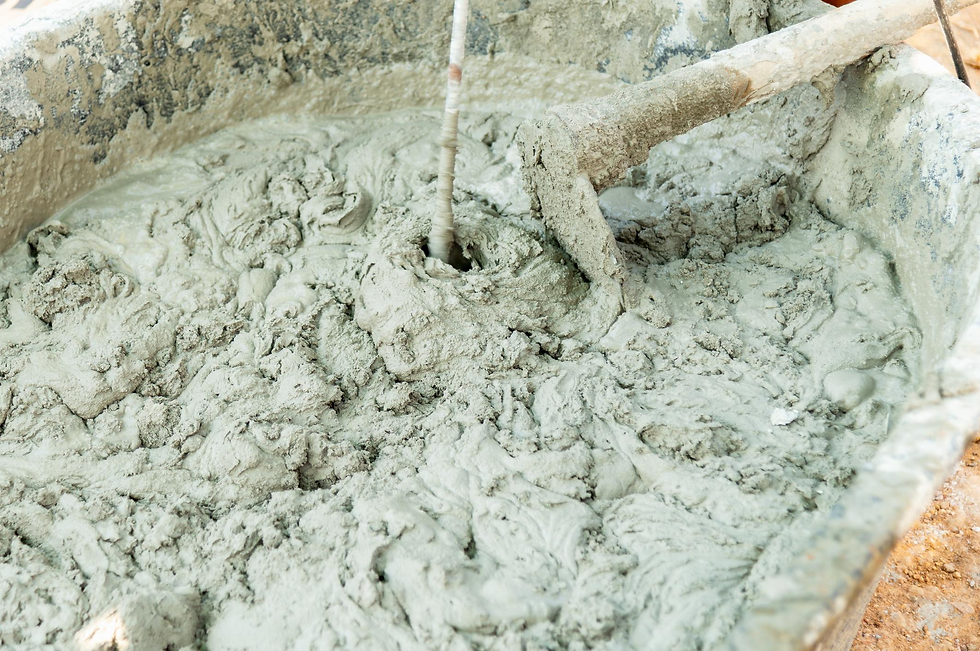
Concrete quality control is essential to ensure that the designed compressive strength, workability, and durability are achieved during actual construction. Even a minor deviation in water-cement ratio, aggregate grading, or mixing time can lead to cracks, honeycombing, segregation, and reduced load-bearing capacity. In real construction scenarios, environmental conditions such as temperature, humidity, and site handling practices significantly influence concrete behavior, making field monitoring a non-negotiable aspect of civil engineering operations.
Key On-Site Concrete Quality Control Tests Every Civil Engineer Must Know
1. Slump Test for Workability Assessment
The slump test is one of the most fundamental field tests used to measure the workability and consistency of fresh concrete. It helps engineers determine whether the concrete mix is suitable for placement and compaction. A very high slump indicates excess water content, which weakens concrete strength, while a very low slump indicates poor workability and difficulty in compaction. Improper slump values often result in segregation, bleeding, and weak bonding between aggregates and cement paste.
2. Cube Compressive Strength Test
Cube testing is the most reliable method to verify the compressive strength of concrete. Concrete cubes are cast during pouring and tested after 7 and 28 days to assess strength development. Failure to properly cure cubes, incorrect labeling, or improper compaction during casting can lead to misleading test results, affecting structural quality assessment and decision-making on site.
3. Temperature and Moisture Monitoring
Environmental conditions significantly affect hydration and strength gain. High temperatures can cause rapid evaporation of water, leading to surface cracks, while low temperatures slow down the hydration process. Monitoring concrete temperature during mass concreting and hot weather conditions is crucial to prevent thermal cracking and shrinkage defects.
Common Concrete Quality Mistakes Observed on Construction Sites
Excess Water Addition at Site
One of the most common and dangerous practices on construction sites is the addition of extra water to improve workability. While this may make concrete easier to place, it drastically reduces compressive strength and durability. This practice often occurs due to poor supervision or pressure to speed up construction activities.
Improper Compaction and Vibration
Insufficient vibration during concrete placement leads to air voids and honeycombing, which weaken structural members like beams, columns, and slabs. Over-vibration, on the other hand, causes segregation of aggregates and cement paste. Proper use of needle vibrators and trained operators is essential for achieving uniform density.

Poor Curing Practices
Curing is often neglected once the concrete is placed. Inadequate curing results in plastic shrinkage cracks, reduced strength, and surface dusting. Proper curing methods such as ponding, wet covering, and curing compounds must be implemented for at least 7–14 days depending on environmental conditions and structural requirements.
Incorrect Mix Proportioning
Deviation from approved mix design due to site-level adjustments or batching errors leads to inconsistent concrete performance. Manual batching without proper measurement tools further increases variability in mix proportions, affecting structural reliability.
Operational Challenges in Maintaining Concrete Quality on Site
Maintaining concrete quality is not just a technical task but also an operational challenge. Site engineers often deal with labor inefficiencies, equipment delays, and tight project schedules. In many real-life scenarios, RMC (Ready Mix Concrete) may arrive late, causing initial setting before placement. Additionally, traffic delays, pump blockages, and coordination issues between batching plants and site teams impact concrete quality and placement efficiency.
Another critical operational issue is improper material storage. Cement exposed to moisture loses its binding properties, while poorly graded aggregates affect mix consistency. Engineers must conduct regular inspections of material storage areas and ensure compliance with standard construction practices.
Quality Control During Concrete Placement and Execution
Concrete placement requires careful supervision to avoid segregation and cold joints. The height of concrete drop should be controlled to prevent separation of aggregates. Continuous pouring should be ensured, especially in structural members like columns and slabs, to avoid weak joints. Engineers must also verify shuttering alignment, reinforcement spacing, and cleanliness of formwork before pouring concrete to ensure proper bonding and structural performance.

Failure Prevention Techniques for Long-Term Concrete Durability
Preventing concrete failure requires a proactive engineering approach rather than reactive corrections. Regular on-site testing, strict supervision, and adherence to mix design specifications significantly reduce structural defects. The use of admixtures, proper curing schedules, and controlled water-cement ratio enhances durability and resistance to environmental exposure.
Engineers should also implement quality checklists before, during, and after concreting operations. Pre-pour inspections, slump verification, cube casting, and post-pour curing audits create a systematic quality control framework that minimizes construction risks.
Role of Site Engineers in Concrete Quality Assurance
Site engineers play a crucial role in ensuring concrete quality through continuous monitoring and decision-making. Their responsibilities include coordinating with batching plants, supervising mixing and placement, conducting field tests, and documenting quality reports. Strong technical knowledge combined with practical observation helps engineers identify defects at early stages and implement corrective actions before structural damage occurs.
Furthermore, communication with contractors and labor teams is essential to enforce quality standards. Engineers must ensure that workers follow proper compaction, curing, and handling procedures to maintain consistency in concrete performance.
Documentation, Checklists, and Quality Audits
Professional construction projects rely heavily on documentation for quality assurance and accountability. Maintaining records of slump tests, cube test reports, material delivery logs, and curing schedules helps in performance tracking and dispute resolution. Quality audits conducted at different stages of construction ensure compliance with engineering standards and project specifications.
Conclusion: Engineering Discipline is the Key to Concrete Excellence
Concrete quality control on site is a multidimensional responsibility that combines technical expertise, operational management, and practical supervision. Most concrete failures are not due to design flaws but due to poor site practices such as excess water addition, inadequate curing, and lack of quality testing. By implementing strict quality control measures, conducting regular field tests, and enforcing disciplined execution practices, civil engineers can significantly enhance structural strength, durability, and project reliability.
In the real-world construction industry, the difference between a successful and a failed structure often lies in how effectively concrete quality is managed on site. Engineers who prioritize testing, supervision, and preventive techniques establish themselves as competent professionals capable of delivering safe, durable, and high-performance construction projects under real operational constraints.


Comments