
Complete Roadmap for Civil Engineering Students From College to Career Step by Step Guide
- Anjali Regmi
- Apr 15
- 2 min read

Introduction
Civil engineering is a vast field, and many students feel confused about what to do from first year to getting a job.
A clear roadmap helps you stay focused, build the right skills, and achieve your career goals faster.
This guide will take you step by step from college to becoming a professional civil engineer.
1st Year Build Basics & Awareness

Focus on basic subjects like mathematics, physics, and engineering drawing.
Start understanding what civil engineering actually involves.
Explore different fields like structural, geotechnical, and transportation.
2nd Year Start Core Learning
Learn core subjects such as strength of materials, surveying, and soil mechanics.
Start understanding practical applications of concepts.
Begin learning basic software like AutoCAD.
3rd Year Gain Practical Exposure
Do internships and site visits.
Learn drawing reading, estimation, and basic site work.
Start building your portfolio and gaining real experience.
Final Year Specialize & Prepare for Career
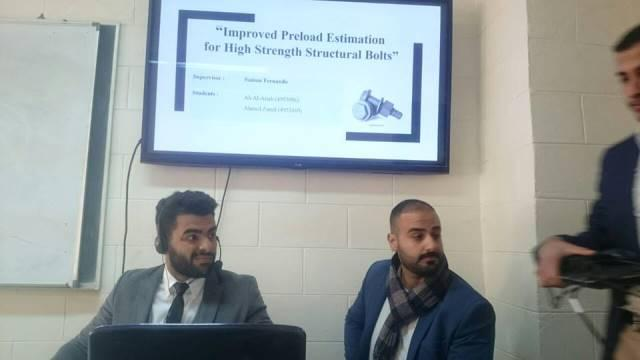
Work on a strong final year project.
Decide your career path site, design, government, or business.
Prepare for interviews and improve communication skills.
After Graduation First Job Phase
Start with entry level roles such as site engineer or trainee engineer.
Focus on learning rather than just salary.
Gain hands-on experience and understand real project execution.
2–5 Years Experience Skill Building Phase

Develop expertise in your chosen field.
Learn advanced software and management skills.
Take more responsibilities and improve decision-making ability.
Long Term Growth – Career Advancement

Move into roles like project manager, consultant, or business owner.
You can also specialize further or pursue higher studies.
Leadership and strategic thinking become important.
Key Skills to Focus Throughout
Technical knowledge
Practical site experience
Software skills
Communication and leadership
Problem solving
Consistency in these areas ensures long-term success.
Common Mistakes to Avoid
Ignoring practical knowledge
Not doing internships
Avoiding software learning
Lack of networking
Avoiding these mistakes can accelerate your growth.
Final Advice
Stay curious and keep learning.
Focus on skills rather than shortcuts.
Be patient civil engineering is a long-term career.
Conclusion
A clear roadmap helps civil engineering students move confidently from college to career.
By following structured steps and continuously improving skills, students can build a successful and fulfilling career.
Consistency, learning, and practical experience are the keys to success in civil engineering.


Comments