
Common Construction Defects in Buildings and How Civil Engineers Prevent Them
- Anjali Regmi
- Jan 22
- 3 min read

Construction defects are one of the biggest challenges in the building industry. Even a well-designed structure can fail to perform properly if execution quality is compromised. Defects not only affect the appearance of a building but can also compromise structural safety, durability, and serviceability.
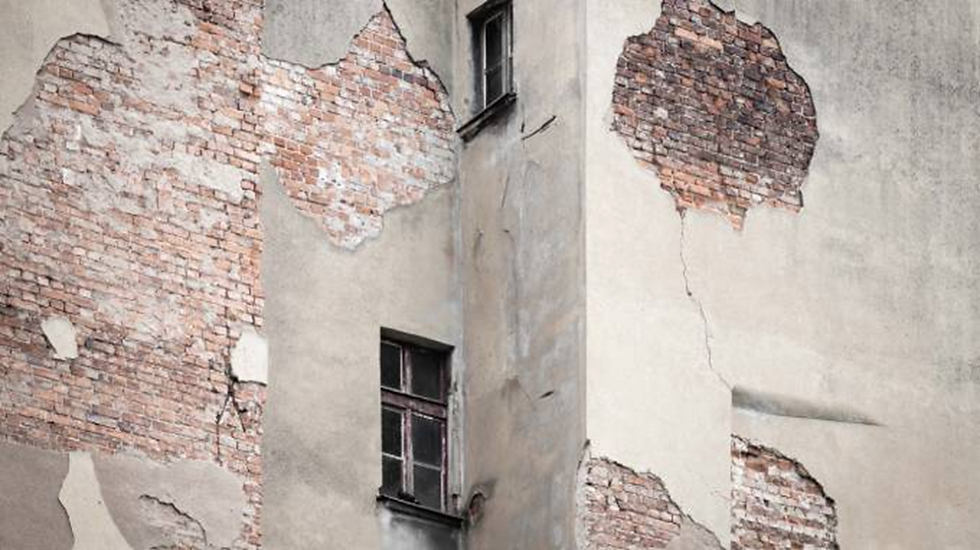
For civil engineers, understanding common construction defects is essential, not just to fix them, but to prevent them before they occur. This blog explains the most common defects found in buildings, their causes, and the preventive measures civil engineers must take on site.
What Are Construction Defects?
Construction defects are flaws or deficiencies in a building that occur due to poor materials, improper workmanship, incorrect design interpretation, or lack of supervision. These defects may appear immediately after construction or gradually over time.
Defects can lead to:
Reduced structural life
Safety hazards
Increased maintenance costs
Client dissatisfaction
Legal disputes
Most construction defects are preventable with proper engineering control.
Why Construction Defects Occur
Before understanding defects, it is important to know why they occur.
Common reasons include:
Poor quality materials
Lack of skilled workmanship
Improper supervision
Ignoring drawings and specifications
Inadequate curing and testing
Pressure to meet deadlines
A civil engineer’s role is to control these factors on site.
1. Cracks in Concrete and Masonry
Description
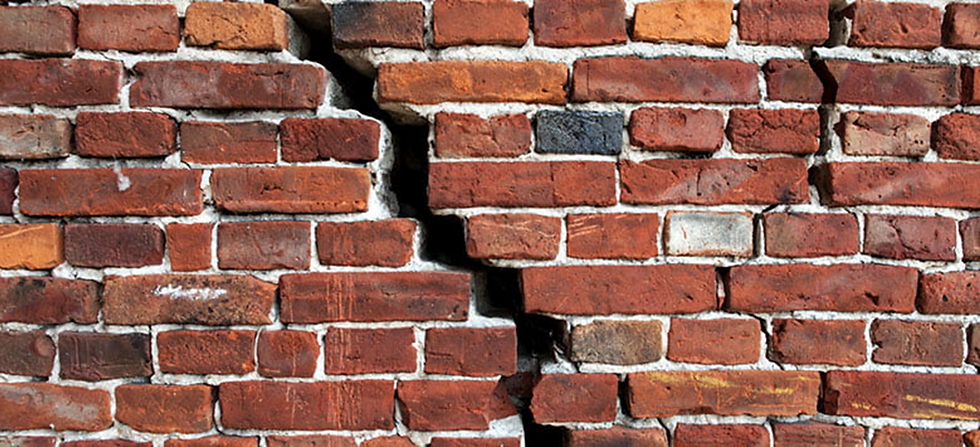
Cracks are one of the most visible and common defects in buildings. They may appear in slabs, beams, columns, or masonry walls.
Common Causes
Plastic and drying shrinkage
Thermal expansion and contraction
Improper curing
Differential settlement
Overloading
How Civil Engineers Prevent Cracks
Ensuring proper mix design
Adequate curing for recommended duration
Providing control joints where required
Monitoring loading during construction
Not all cracks are structural, but all cracks must be investigated.
2. Honeycombing in Concrete

Description
Honeycombing refers to voids or cavities in concrete, usually visible after shuttering removal.
Common Causes
Poor compaction of concrete
Congested reinforcement
Improper concrete flow
Leakage through shuttering joints
Prevention Measures
Proper vibration using needle vibrators
Well-designed formwork with tight joints
Correct concrete workability
Supervision during pouring
Honeycombing reduces strength and durability if not treated properly.
3. Water Leakage and Dampness
Description
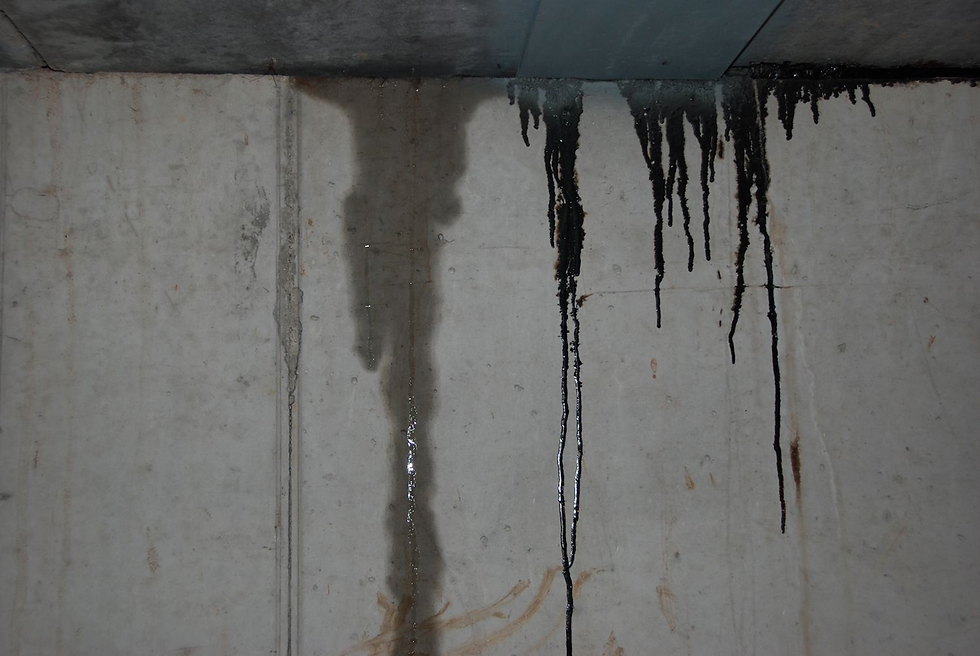
Leakage is a major defect affecting roofs, basements, bathrooms, and external walls.
Common Causes
Poor waterproofing treatment
Improper slope and drainage
Cracks in concrete or masonry
Defective plumbing work
Prevention Measures
Proper waterproofing systems
Adequate slope in roofs and wet areas
Pressure testing of pipelines
Careful inspection before finishing works
Leakage defects are expensive and difficult to repair once the building is occupied.
4. Poor Plastering and Finishing Defects

Description
Finishing defects affect aesthetics and client satisfaction.
Common Causes
Incorrect mortar mix
Inadequate surface preparation
Poor workmanship
Lack of curing
Prevention Measures
Correct mortar proportion
Skilled labor supervision
Proper curing after plastering
Quality checks before painting
Finishing defects often indicate poor site supervision.
5. Settlement and Foundation-Related Defects
Description
Settlement-related defects appear as cracks or uneven floors due to foundation movement.
Common Causes
Inadequate soil investigation
Improper foundation design
Poor compaction of soil
Water ingress near foundations
Prevention Measures
Proper soil testing
Correct foundation selection
Controlled excavation and backfilling
Drainage management
Foundation defects can compromise structural safety and must be taken seriously.
Role of Civil Engineers in Preventing Construction Defects
Civil engineers play a central role in defect prevention by:
Ensuring material quality and testing
Supervising workmanship closely
Enforcing construction sequences
Conducting regular inspections
Maintaining quality control records
Defect prevention begins with attention to detail and discipline.
Quality Control as the Key to Defect Prevention
Most construction defects arise due to lack of quality control.
Effective quality control includes:
Pre-concreting inspections
Material testing
Workmanship checks
Post-execution inspection
Quality control should be continuous, not occasional.
Construction Defects in Interviews
Interviewers frequently ask:
What are common construction defects?
What causes cracks in buildings?
How do you prevent honeycombing?
How do you handle leakage issues on site?
Engineers who answer with practical prevention methods stand out.
Common Mistakes Freshers Make Regarding Defects
Ignoring minor defects initially
Assuming defects are “normal”
Not reporting issues to seniors
Focusing only on speed of work
Small defects today become major failures tomorrow.
Conclusion
Construction defects are not accidents—they are usually the result of avoidable mistakes. Civil engineers have a professional responsibility to identify, prevent, and rectify defects at the right stage.
By understanding common construction defects and applying preventive measures, civil engineers ensure:
Structural safety
Durability of buildings
Client satisfaction
Professional credibility
In construction, prevention is always more effective than repair, and skilled civil engineers are those who prevent defects before they appear.


Comments