
Civil Engineering Interview Tips for Freshers (With Common Questions & Expert Guidance)
- Anjali Regmi
- Jan 20
- 3 min read

Cracking your first civil engineering interview can feel overwhelming. After years of studying theories, formulas, and designs, suddenly you are expected to explain how things work on a real construction site.
Many freshers fail interviews not because they lack knowledge, but because they do not know how to present it practically.
Civil engineering interviews are different from most other fields. Interviewers are less interested in textbook definitions and more focused on fundamental clarity, site awareness, and attitude toward learning. This blog will guide you step by step on how to prepare, what to expect and how to confidently face civil engineering interviews as a fresher.

Understand the Job Role Before the Interview
One of the biggest mistakes freshers make is attending interviews without understanding the role they are applying for. Civil engineering job roles vary significantly, and preparation must match the position.
Common fresher roles include:
Site Engineer
Junior Engineer
Planning Engineer (Trainee)
Billing Engineer
Quality Control Engineer
A site engineer interview will focus more on execution and field practices, while a planning or billing role will test your understanding of drawings, quantities, and scheduling. Carefully read the job description and align your preparation accordingly.
Strong Fundamentals Matter More Than Advanced Topics
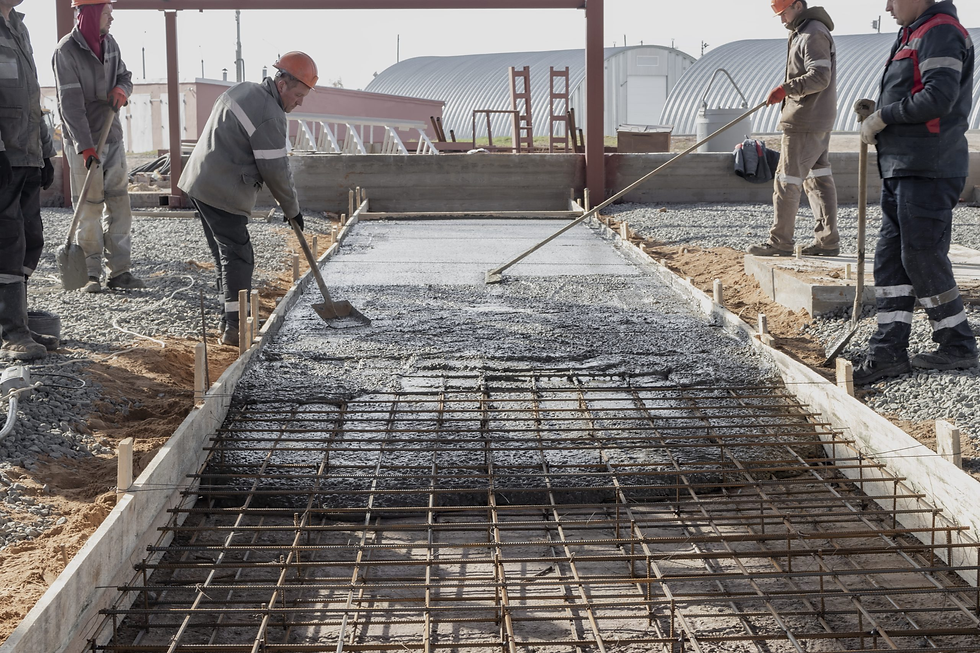
Interviewers rarely expect freshers to know everything. Instead, they focus on basic concepts and clarity of fundamentals. You should be confident in explaining core civil engineering subjects such as:
Concrete Technology
Building Materials
RCC Basics
Soil Mechanics (basic level)
Surveying fundamentals
Construction Planning and Methods
You may not be asked to design a structure, but you may be asked why certain practices are followed on site. Understanding the “why” is crucial.
Most Common Civil Engineering Interview Questions for Freshers
Below are some frequently asked questions that almost every fresher should prepare:
Concrete & Materials
What is cement and its types?
Difference between OPC and PPC cement
What is water-cement ratio and why is it important?
What is curing and why is it required?
RCC & Structures
What is reinforcement and why is it used?
Difference between one-way and two-way slab
What are beams, columns, and footings?
What is cover to reinforcement?
Construction Practices
What is shuttering and its types?
What is slump test?
What precautions are taken during concreting?
What is formwork stripping time?
Site-Based Questions
What is the role of a site engineer?
How will you ensure quality on site?
What safety measures are followed at site?
Tip: Always answer with a mix of theory and practical explanation, even if your experience is limited.

Importance of Practical Knowledge in Interviews
Civil engineering is a field-driven profession. Interviewers often check whether you have:
Visited construction sites
Undergone field training or internships
Observed basic site operations
If you have done site training, clearly explain:
Type of project (residential, commercial, road, etc.)
Work you observed or assisted with
Materials and methods used
Even 15–30 days of site exposure gives you an edge over candidates with only classroom knowledge.
How to Answer Questions When You Don’t Know the Exact Answer
A common fear among freshers is facing questions they cannot answer. Interviewers understand this and often test honesty and learning attitude.
If you don’t know an answer:
Do not guess randomly
Explain what you understand related to the topic
Say you are willing to learn
Example:“I have not executed this practically yet, but based on my understanding…”
This approach shows maturity and professionalism.
Soft Skills and Attitude Matter a Lot
Civil engineers work with contractors, supervisors, laborers, consultants, and clients. Therefore, interviewers assess:
Communication skills
Confidence and clarity
Teamwork ability
Willingness to work on site
You don’t need fluent English, but clear and respectful communication is essential.
Common Mistakes Civil Engineering Freshers Must Avoid
Avoid these mistakes during interviews:
Memorizing answers without understanding
Claiming false site experience
Using complex terms without clarity
Showing disinterest in site work
Lack of basic safety awareness
Remember, interviewers prefer trainable candidates with the right attitude over overconfident but unprepared ones.
How to Prepare Effectively for Civil Engineering Interviews
Here is a simple preparation strategy:
Revise basic subjects thoroughly
Understand construction processes step by step
Learn common site terminology
Read drawings and observe site practices
Prepare a brief explanation of your internship or training
Practice mock interviews
Consistency matters more than last-minute cramming.
What Interviewers Actually Look For in Freshers
Most interviewers look for:
Basic technical clarity
Genuine interest in civil engineering
Willingness to learn and adapt
Site readiness and discipline
Long-term commitment
They are not expecting perfection, they are looking for potential.

Conclusion
Civil engineering interviews for freshers are not about showing how much you know, but about demonstrating how well you understand the basics and how ready you are to learn on site. With strong fundamentals, some practical exposure and the right mindset, cracking your first interview becomes far easier.
Preparation, honesty, and confidence are your biggest strengths.


Comments