
Civil Engineering Interview Preparation Complete Guide for Freshers and Site Engineers
- Anjali Regmi
- May 4
- 2 min read

Introduction to Modern Civil Engineering Interviews
Civil engineering interviews today assess far more than theoretical knowledge. Employers evaluate how candidates think, communicate, and apply concepts in real situations. For freshers and early career engineers, this means preparation must include both academic revision and practical understanding. Interviews are now designed to identify candidates who can adapt quickly to real site conditions and contribute effectively from the beginning.
Core Technical Knowledge You Must Prepare
The foundation of any civil engineering interview lies in core subjects such as structural analysis, geotechnical engineering, fluid mechanics, and construction materials. Questions often begin with basics, but interviewers tend to go deeper to test conceptual clarity. Explaining answers in a simple and practical manner is more effective than giving memorized definitions. Strong fundamentals create confidence and allow candidates to handle follow up questions easily.
Handling Scenario Based Questions Effectively
Scenario based questions test how candidates respond to real challenges. Situations such as project delays, quality issues, or coordination problems are commonly discussed. The best approach is to break down the problem, identify possible causes, and provide a logical solution. Demonstrating awareness of teamwork, time management, and practical constraints makes answers more realistic and impactful.

Importance of Internship Experience
Internships play a crucial role in interviews, especially for freshers. Candidates should clearly explain what they observed and learned during their training. Talking about construction processes, materials, and on site challenges shows genuine interest in the field. Specific examples always create a stronger impression than general statements.
Human Resource Questions and Personality Assessment
Human resource questions are designed to evaluate attitude, consistency, and long term vision. Questions about career goals, strengths, and weaknesses require honest and balanced answers. Recruiters prefer candidates who are realistic, willing to learn, and adaptable rather than those who give overly ambitious responses.
Communication Skills and Confidence
Communication often determines the final outcome of an interview. Clear expression, structured answers, and confident delivery can set a candidate apart. Practicing mock interviews and speaking about technical topics in simple language can improve clarity. Confidence should be balanced, avoiding both overconfidence and hesitation.
Preparation Strategy and Common Mistakes
Effective preparation includes revising fundamentals, practicing questions, and staying updated with industry trends. Candidates should also be aware of modern practices such as sustainable construction and digital tools. Common mistakes include guessing answers, lack of clarity, and poor presentation. Avoiding these errors can significantly improve performance.
Professional Presentation and Documentation
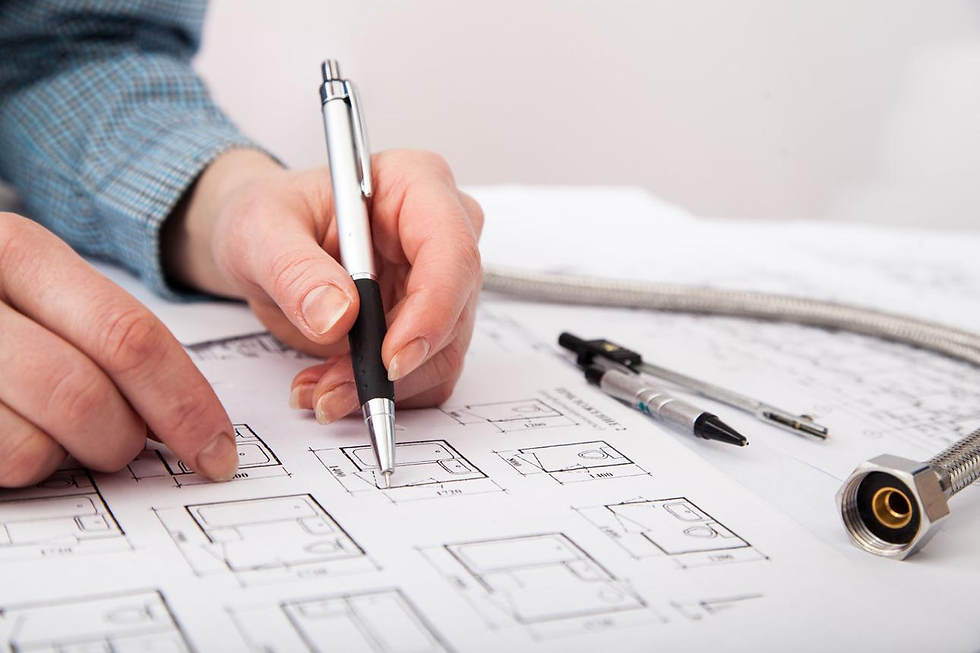
A well prepared candidate always carries organized documents including resume, certificates, and project reports. The resume should highlight practical exposure and relevant skills in a concise manner. Professional presentation reflects seriousness and attention to detail.
Safety Awareness for Site Roles
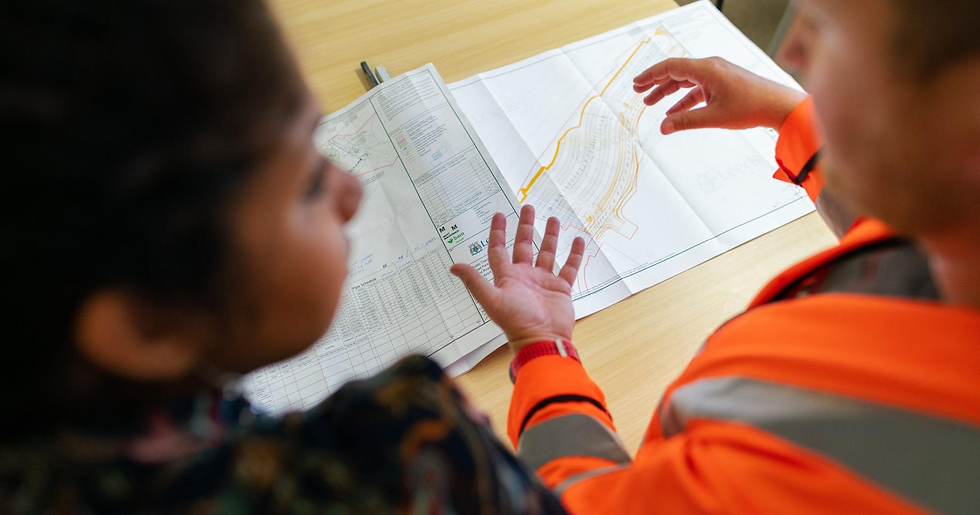
For site related roles, knowledge of safety practices is essential. Understanding basic safety measures and responsibilities shows readiness for real work environments. Employers value candidates who prioritize safety and risk management.
Conclusion
Civil engineering interview preparation requires a combination of technical knowledge, practical awareness, and communication skills. Candidates who focus on all these aspects are more likely to succeed and secure meaningful opportunities in the industry.


Comments