
CIVIL ENGINEERING IN THE AGE OF SMART CITIES OPPORTUNITIES AND RISKS
- Anjali Regmi
- Feb 2
- 3 min read

INTRODUCTION
The concept of smart cities has transformed how urban development is imagined and executed. Cities are no longer planned only around roads, buildings, and utilities. They now integrate digital systems, data driven decision making, and technology enabled services. In this evolving environment, civil engineering remains central, but its role is changing in both scope and responsibility.
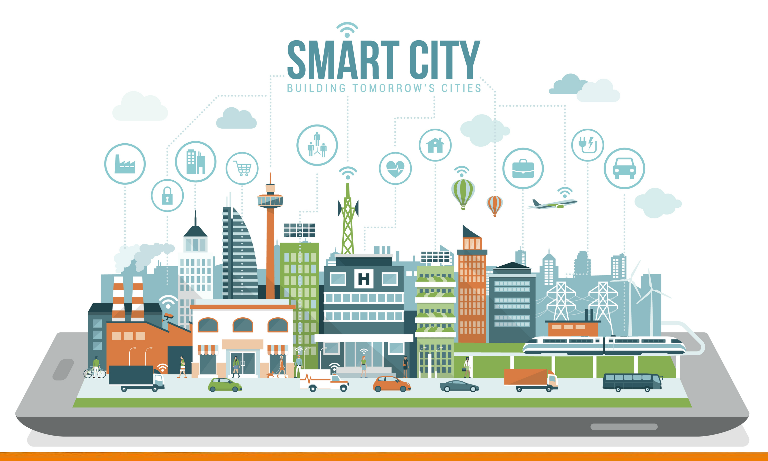
For India and many developing nations, smart city initiatives represent an opportunity to modernize infrastructure and improve quality of life. At the same time, they introduce new risks related to planning, integration, and long term sustainability. This blog explores how civil engineering fits into the age of smart cities, highlighting both opportunities and risks that engineers must understand.
EXPANDING ROLE OF CIVIL ENGINEERS IN SMART CITIES
Smart cities rely on strong physical infrastructure before digital systems can function effectively. Roads must support intelligent transport systems. Drainage and water networks must integrate sensors and monitoring tools. Buildings must accommodate energy efficient and adaptive technologies.
Civil engineers provide the foundation on which smart technologies operate. Their role now extends beyond construction to coordination with planners, data specialists, and policymakers. Engineers must ensure that physical infrastructure can support digital layers without compromising safety or durability.
This expanded role requires broader thinking and cross disciplinary collaboration.
OPPORTUNITIES CREATED BY SMART CITY DEVELOPMENT
Smart city projects create opportunities for improved efficiency, sustainability, and resilience. Integrated planning allows better traffic management, reduced energy consumption, and optimized water usage. Civil engineers can design infrastructure that responds dynamically to demand and environmental conditions.
For engineers, smart cities open new career pathways in urban planning, infrastructure optimization, and sustainable design. Exposure to advanced systems enhances professional relevance and global competitiveness. When implemented thoughtfully, smart cities elevate the impact of civil engineering.
RISKS OF OVERRELIANCE ON TECHNOLOGY
Despite their promise, smart cities carry risks if technology is prioritized over engineering fundamentals. Digital systems depend on reliable physical infrastructure. If roads, drainage, or structures are poorly designed or maintained, technology cannot compensate.
Overreliance on sensors and automation may create false confidence. Data is only as reliable as the systems collecting it. Civil engineers must ensure that core infrastructure remains robust even when technology fails. Ignoring this principle increases vulnerability rather than resilience.
CHALLENGES OF INTEGRATION AND COORDINATION

Smart cities require coordination between multiple agencies, disciplines, and stakeholders. Integrating transport, utilities, communication, and public services is complex. Poor coordination leads to fragmented systems and inefficient outcomes.
Civil engineers play a critical role in aligning physical infrastructure with digital and policy objectives. This requires communication skills, planning awareness, and long term vision. Engineers who fail to engage beyond technical boundaries risk being sidelined in smart city projects.
INDIAN CONTEXT AND GROUND REALITIES
India’s smart city initiatives face unique challenges such as rapid urbanization, informal settlements, and aging infrastructure. Implementing advanced solutions without addressing basic needs creates imbalance.
Civil engineers must adapt smart city concepts to local conditions. Prioritizing reliable water supply, drainage, housing, and transport is essential before layering advanced technology. Engineers who understand ground realities ensure that smart cities serve
all citizens, not just select zones.
ETHICAL AND SOCIAL RESPONSIBILITY IN SMART CITIES
Smart cities collect and use vast amounts of data. Infrastructure decisions influence accessibility, equity, and public safety. Civil engineers must consider social impact alongside technical performance.
Designing inclusive infrastructure that benefits diverse populations is a core responsibility. Ethical engineering ensures that smart cities enhance quality of life without increasing inequality or vulnerability.
SKILLS CIVIL ENGINEERS MUST DEVELOP FOR SMART CITIES
Engineers working in smart city projects need broader skill sets. Understanding urban systems, sustainability principles, and basic data interpretation is increasingly important. However, these skills must complement rather than replace engineering fundamentals.
Engineers who balance technical rigor with adaptability will thrive in smart city environments.
LONG TERM SUSTAINABILITY AND MAINTENANCE
Smart infrastructure must be maintainable over decades. Technology evolves faster than physical infrastructure. Civil engineers must design systems that allow upgrades without major disruption.
Ignoring maintenance and lifecycle planning creates future risks. Sustainable smart cities depend on engineers who think beyond project completion.
CONCLUSION
Civil engineering remains the backbone of smart cities. While technology enhances urban management, it cannot replace sound engineering principles. Civil engineers must lead smart city development by ensuring that physical infrastructure is safe, resilient, and adaptable.
The age of smart cities offers significant opportunities for civil engineers to expand their influence and relevance. At the same time, it demands greater responsibility, judgment, and ethical awareness. Smart cities succeed when technology serves engineering, not when engineering follows technology blindly.


Comments