
CIVIL ENGINEERING AS A LONG TERM CAREER WHY PATIENCE PAYS OFF
- Anjali Regmi
- Jan 28
- 2 min read

INTRODUCTION
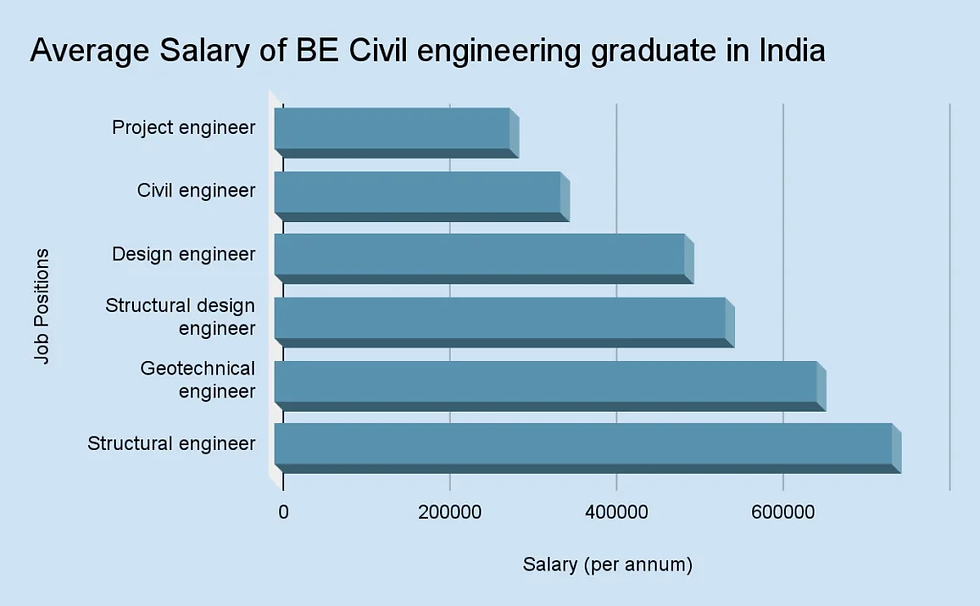
Civil engineering is often judged through the lens of short term outcomes such as starting salary, job location, or early promotions. In a time when fast growth careers dominate social narratives, civil engineering can appear slow and demanding. However, this profession was never designed for instant rewards. Civil engineering is a long term career where growth, authority, and respect develop gradually.
Understanding this reality early helps students and young engineers align expectations with the true nature of the profession.

EARLY CAREER PHASE AND THE VALUE OF PATIENCE
The initial years of a civil engineering career are primarily focused on learning rather than earning. Engineers spend time on sites understanding drawings, materials, execution methods, safety practices, and coordination challenges. This phase may feel repetitive and physically demanding, but it builds the foundation for all future growth.
Patience during this stage allows engineers to develop judgment, confidence, and practical clarity that cannot be gained through shortcuts or rapid job changes.
CAREER PROGRESSION AND COMPOUNDING EXPERIENCE

Unlike professions where skills lose relevance quickly, civil engineering experience compounds over time. Each project adds context, each challenge improves decision making, and each responsibility strengthens professional credibility.
Engineers who remain consistent gradually move into planning, management, consulting, and leadership roles. This progression is slow but stable. Over time, experienced civil engineers become indispensable because their value lies not just in technical knowledge, but in judgment shaped by years of exposure.
LONG TERM IMPACT AND PROFESSIONAL FULFILLMENT
Civil engineering offers a level of long term fulfillment that few professions can match. Engineers build infrastructure that serves communities for decades and sometimes centuries.
Roads, bridges, buildings, and water systems become part of a nation’s identity and growth story. Engineers who stay in the profession long enough witness the tangible impact of their work on society. This sense of contribution and legacy often outweighs early career sacrifices.

CONCLUSION
Civil engineering is not a career for those seeking immediate gratification, but it is a powerful long term profession for those willing to invest time, effort, and patience.
The early years test resilience, but the later years reward consistency with stability, authority, and respect. Engineers who understand the long horizon of civil engineering build stronger careers and experience deeper professional satisfaction. In a world focused on speed, civil engineering continues to prove that patience remains one of the most valuable professional assets.


Comments