
CIVIL ENGINEERING AND SOCIAL IMPACT HOW ENGINEERS SHAPE DAILY HUMAN LIFE
- Anjali Regmi
- Jan 28
- 3 min read

INTRODUCTION
Civil engineering is often associated with large structures such as bridges, highways, and buildings, yet its deepest impact is felt quietly in everyday human life. From the moment people wake up until they go to sleep, they rely on systems designed and built by civil engineers. Clean water, safe roads, functional drainage, stable housing, and reliable public spaces are all outcomes of civil engineering decisions. This profession does not merely construct physical assets. It shapes how societies function, connect, and progress.

Understanding the social impact of civil engineering helps students and professionals appreciate the true value of their work. Beyond drawings and calculations lies a responsibility to serve communities, protect lives, and improve quality of living.
INFRASTRUCTURE AS A FOUNDATION OF DAILY HUMAN ACTIVITY
Everyday human activity depends on infrastructure that functions smoothly in the background. Roads enable mobility and economic activity. Water supply systems ensure health and sanitation. Drainage networks prevent flooding and disease. Housing provides safety and dignity. These systems are rarely noticed when they work well, yet their absence or failure immediately disrupts life.
Civil engineers design these systems to support millions of people simultaneously. Their decisions influence how easily people commute, how safely children travel to school, and how efficiently goods move across regions. In this way, civil engineering becomes a silent enabler of social stability and economic participation.
ROLE OF CIVIL ENGINEERS IN PUBLIC HEALTH AND SAFETY
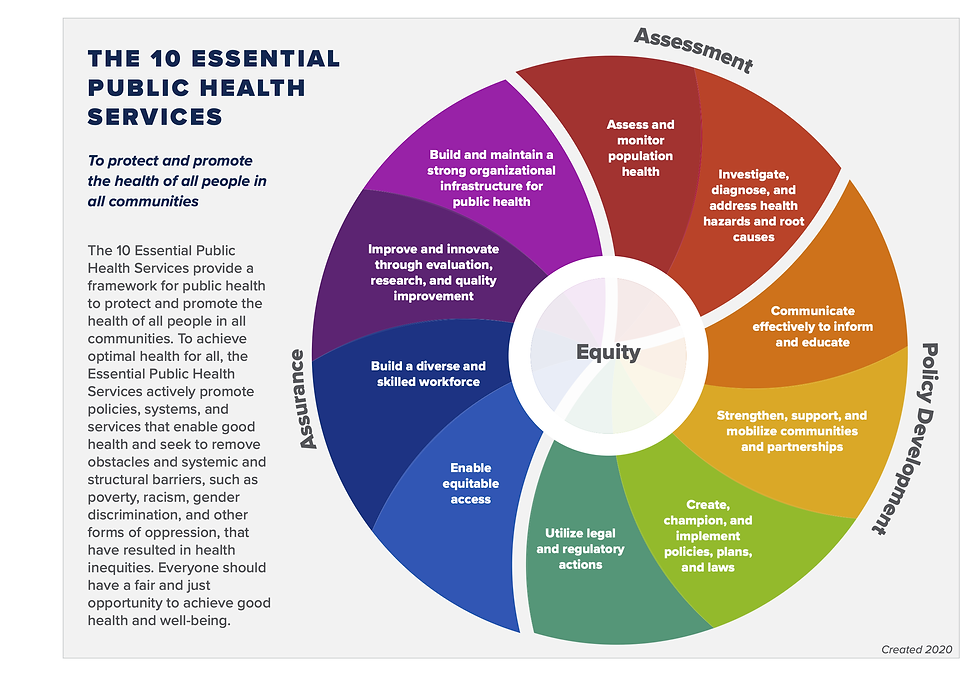
One of the most significant social contributions of civil engineering lies in public health and safety. Clean water supply, wastewater treatment, solid waste management, and flood control systems directly influence disease prevention and life expectancy.
Historically, improvements in sanitation and water infrastructure have saved more lives than many medical advances. Civil engineers reduce exposure to hazards by designing safe structures, stable slopes, and resilient infrastructure. Their work protects communities from disasters, accidents, and environmental risks, often without public recognition.
SOCIAL EQUITY AND ACCESS THROUGH CIVIL ENGINEERING
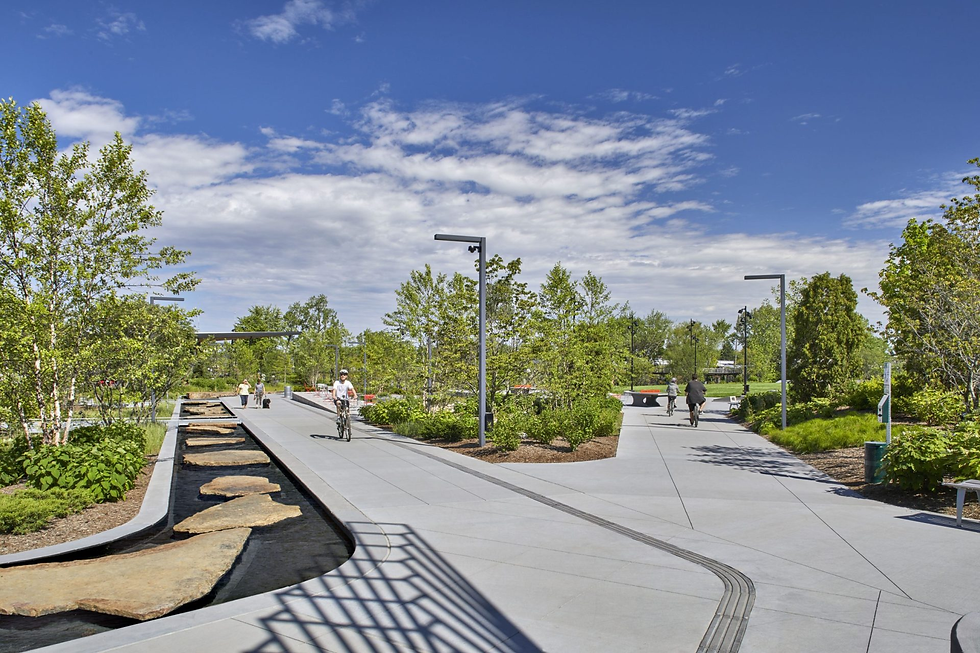
Civil engineering also plays a crucial role in promoting social equity. Infrastructure determines who has access to opportunities and who is left behind. Roads connect rural communities to markets and education. Public transport enables employment mobility. Affordable housing improves living conditions for low income populations.
Engineers influence these outcomes through planning choices, design priorities, and ethical responsibility. Infrastructure that is inclusive and accessible strengthens social cohesion. When engineers consider community needs rather than only technical efficiency, they contribute to fairer and more balanced development.
LONG TERM SOCIAL LEGACY OF CIVIL ENGINEERING
Civil engineering projects often outlast the careers of those who design them. A bridge may serve generations. A water system may define a city’s growth. These structures become part of collective memory and national identity.
Engineers therefore shape not only present living conditions but also future possibilities. Responsible design, quality construction, and ethical decision making ensure that infrastructure remains safe and functional over decades. Poor choices, on the other hand, burden future generations with repair, risk, and inequality.
CONCLUSION
Civil engineering has one of the deepest social impacts among all professions. It influences how people live, move, stay healthy, and interact with their environment. While the work may appear technical on the surface, its true value lies in service to society.
Civil engineers are nation builders in the truest sense. Through everyday infrastructure, they improve quality of life, protect public safety, and enable social progress. Understanding this social responsibility transforms civil engineering from a job into a purpose driven profession. In shaping structures, civil engineers ultimately shape human life itself.


Comments