
Checklist for Civil Engineering Site Training: What You Must Learn on Site
- Anjali Regmi
- Jan 21
- 3 min read

Civil engineering site training is one of the most important phases in a student’s academic and professional journey. Yet, many students complete internships or site training without actually knowing what they were supposed to learn. They spend weeks on site but walk away with little clarity, confidence, or practical understanding.
This blog provides a complete, structured checklist for civil engineering site training, clearly outlining what you must observe, understand, and learn on a construction site. If followed properly, this checklist can turn your site training into a career-defining experience.
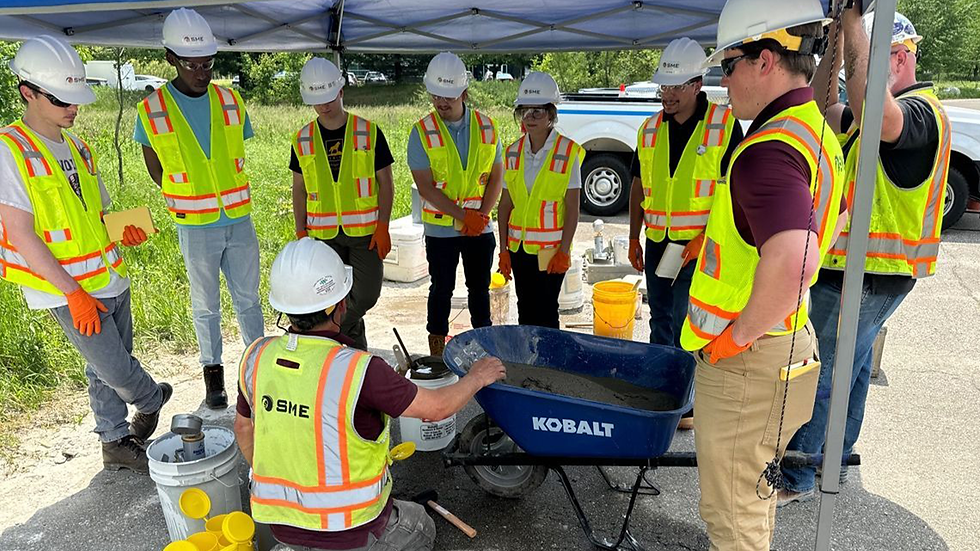
Why a Site Training Checklist Is Essential
Construction sites are busy, noisy, and fast-moving. Without a learning plan, students often:
Wander aimlessly on site
Only observe surface-level activities
Miss critical engineering concepts
Fail to explain site work during interviews
A checklist ensures that you learn systematically, not randomly.
SECTION 1: Pre-Site Basics (Before You Enter the Site)
Before stepping onto any construction site, you must understand the basics.
✅ Checklist:
Understand the type of project (residential, commercial, road, bridge, etc.)
Read basic architectural and structural drawings
Learn common construction terminology
Know basic safety rules and PPE requirements
👉 Goal: Don’t be clueless on Day 1.
SECTION 2: Site Safety & Discipline (Non-Negotiable Learning)
Safety is the first responsibility of a civil engineer. This is often overlooked by students—but employers take it very seriously.
✅ Checklist:
Understand the importance of PPE (helmet, shoes, vest)
Learn common site hazards
Observe safety signage and barricading
Understand safe practices for:
Excavation
Scaffolding
Electrical work
Working at heights
👉 Goal: Develop a safety-first mindset.
SECTION 3: Drawings & Layout Understanding
Drawings are the language of construction. Site training is incomplete without learning how drawings translate into reality.
✅ Checklist:
Identify plans, sections, and elevations
Understand column grid layouts
Learn how drawings are used for:
Marking and setting out
Reinforcement placement
Execution checks
👉 Goal: Connect paper drawings with real structures.
SECTION 4: Excavation & Foundation Work
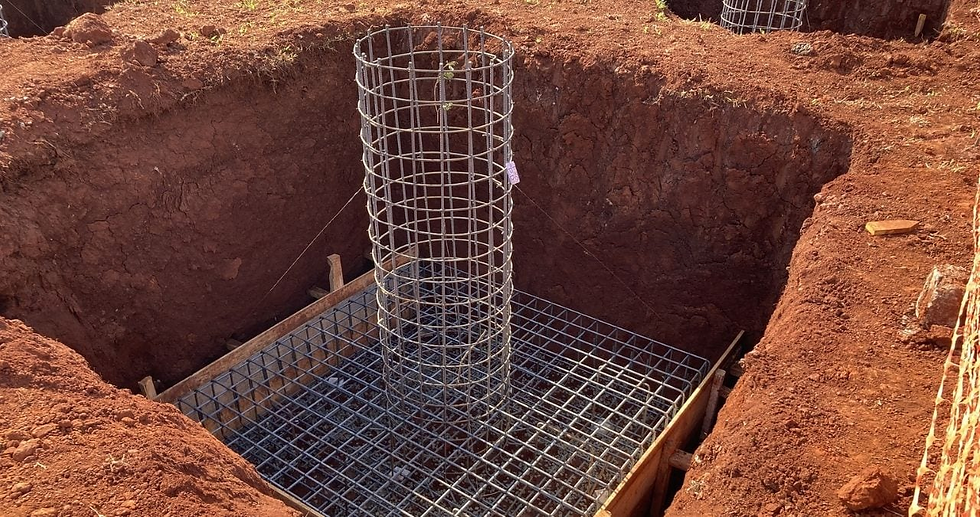
Foundations are critical for structural safety. Students must observe this stage carefully.
✅ Checklist:
Types of foundations used on site
Excavation depth and safety measures
PCC (Plain Cement Concrete) purpose
Reinforcement placement in footings
Formwork and concreting process
Curing of foundations
👉 Goal: Understand how loads are transferred to soil.
SECTION 5: Reinforcement (Steel Work) Essentials
Steel reinforcement is a core part of RCC structures.
✅ Checklist:
Types of steel bars used
Bar bending schedule (BBS)
Cutting, bending, and tying methods
Lap length and development length
Cover blocks and spacing
👉 Goal: Learn how structural strength is achieved.
SECTION 6: Shuttering & Formwork Systems
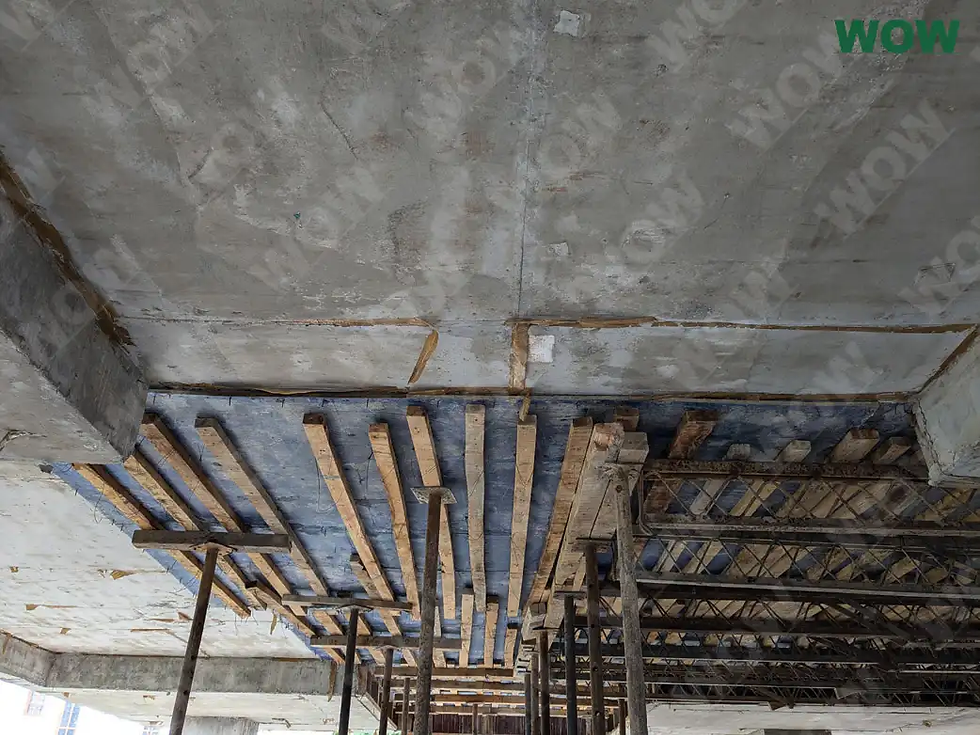
Formwork directly impacts shape, finish, and safety.
✅ Checklist:
Types of shuttering (wood, steel, aluminum)
Alignment and leveling checks
Support systems and props
Formwork stripping time
👉 Goal: Understand how temporary works support permanent structures.
SECTION 7: Concreting, Compaction & Curing
Concrete quality defines structural durability.
✅ Checklist:
Concrete mix grades used
Slump test purpose and procedure
Use of vibrators for compaction
Common concreting defects
Curing methods and duration
👉 Goal: Learn how concrete gains strength and durability.
SECTION 8: Masonry, Plastering & Finishing Works
Finishing work reflects workmanship quality.
✅ Checklist:
Brick/block masonry types
Mortar ratios used
Plaster thickness and curing
Flooring and finishing stages
👉 Goal: Understand execution quality and aesthetics.
SECTION 9: Quality Control & Testing

Quality control ensures compliance with standards.
✅ Checklist:
Material tests (cement, aggregates)
Cube testing of concrete
On-site quality inspection methods
Documentation and reports
👉 Goal: Learn how quality is measured, not assumed.
SECTION 10: Site Management & Coordination
Civil engineers manage people as much as structures.
✅ Checklist:
Role of site engineer
Coordination with contractors and labor
Daily progress reporting
Material management basics
👉 Goal: Understand real-world engineering responsibility.
SECTION 11: Interview & Career Readiness Learning
At the end of training, you should be able to confidently answer:
What work did you observe on site?
What challenges did you see?
What did you learn practically?
How theory differs from practice?
👉 Goal: Convert site experience into interview confidence.
Common Mistakes Students Must Avoid During Site Training
Standing idle without observing
Avoiding questions
Ignoring safety rules
Focusing only on certificates
Not maintaining a site diary
Conclusion
Civil engineering site training is not about attendance—it is about observation, understanding, and discipline. A student who follows a structured checklist gains clarity, confidence, and professional maturity that no classroom can provide.
Treat the construction site as your real laboratory. Learn sincerely, observe patiently, and ask intelligently. What you learn during site training will stay with you throughout your civil engineering career.


Comments