
Building the Cities of 2050: What Civil Engineers Need to Know Today
- Anjali Regmi
- Jun 12
- 5 min read

The world is urbanizing at an unprecedented pace. According to projections by the United Nations, nearly 70% of the global population will live in urban areas by 2050. This rapid transformation is fundamentally changing the way cities are designed, built, and managed. For civil engineers, this means that the profession is no longer limited to constructing roads, bridges, and buildings in the traditional sense. Instead, civil engineers are becoming key architects of future cities, cities that must be smarter, greener, safer, and more resilient than ever before.
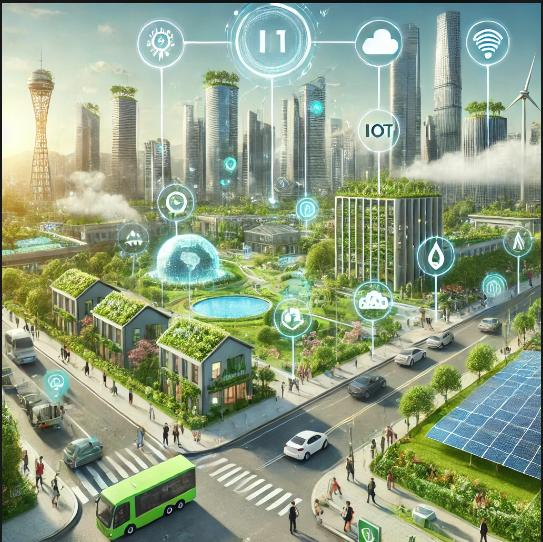
Building the cities of 2050 requires a new way of thinking. Today’s civil engineers must understand emerging technologies, sustainable construction methods, climate adaptation strategies, digital infrastructure, and evolving urban needs. The future of urban development will depend heavily on how well engineers prepare themselves today.
The Rise of Smart Cities
One of the biggest changes shaping the future is the emergence of smart cities. A smart city uses digital technology, sensors, and connected systems to improve the quality of life for residents while optimizing infrastructure performance. Transportation systems, water supply networks, waste management systems, and energy grids are increasingly becoming automated and data-driven.
For civil engineers, this means learning how infrastructure interacts with technology. Designing roads is no longer just about pavement thickness and drainage calculations. Engineers now need to understand how roads integrate with autonomous vehicles, smart traffic management systems, and real-time monitoring sensors. Cities such as Singapore and Dubai are already leading this transformation by integrating technology directly into urban infrastructure.
Future engineers must work closely with software developers, urban planners, and data analysts, making interdisciplinary knowledge more important than ever.
Sustainability Will Be Non-Negotiable
Climate change has become one of the greatest challenges facing humanity, and future cities must be designed with sustainability at their core. The construction industry currently contributes a large percentage of global carbon emissions, forcing engineers to rethink conventional building practices.
By 2050, sustainable construction will not simply be encouraged it will be mandatory. Civil engineers must understand green building design, energy-efficient construction methods, and environmentally responsible material selection.
Traditional concrete production releases significant amounts of carbon dioxide into the atmosphere. New alternatives such as self-healing concrete, recycled construction materials, carbon-absorbing cement, and low-carbon steel are becoming increasingly important.
Organizations like the World Green Building Council continue promoting sustainable development standards that influence future construction practices worldwide.
Engineers entering the profession today should begin learning about environmental impact assessments, lifecycle analysis of construction materials, and sustainable design certifications.
Climate Resilience and Disaster-Proof Infrastructure
The cities of 2050 will face severe environmental challenges. Rising sea levels, extreme weather events, floods, earthquakes, and prolonged heat waves are expected to become more frequent. Infrastructure designed using traditional standards may not survive these future conditions.
Civil engineers must prioritize resilience. Infrastructure should not only function under normal conditions but also withstand natural disasters while minimizing damage and recovery costs.
Coastal cities such as Mumbai, New York City, and Jakarta already face significant risks from climate-related disasters.
This means engineers need deeper expertise in flood-resistant design, earthquake engineering, drainage management systems, wind-resistant structural design, and emergency infrastructure planning.
The future engineer will be expected to design not just for efficiency, but for survival under extreme environmental conditions.
Digital Construction and Building Information Modeling
Technology is transforming the construction process itself. One of the most important developments is Autodesk Revit and the wider adoption of Building Information Modeling (BIM).
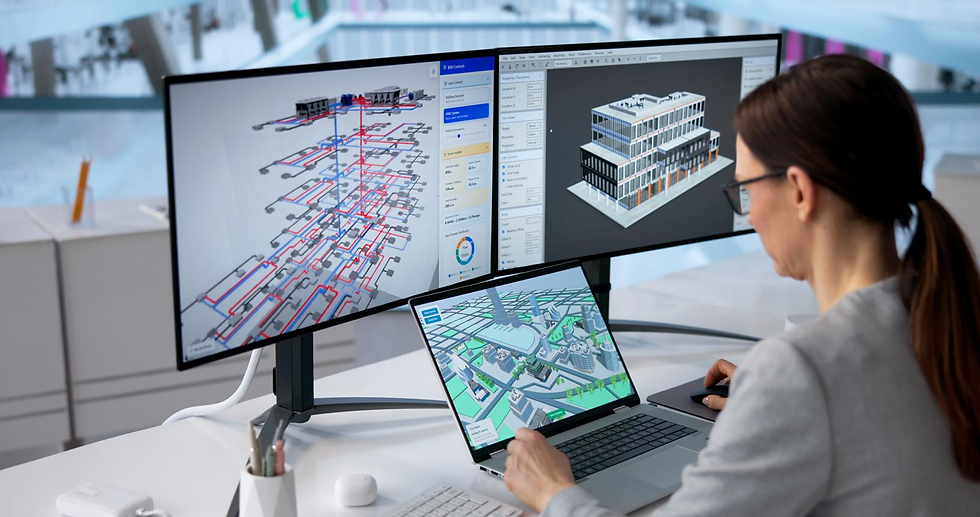
BIM allows engineers, architects, and contractors to create digital models of entire structures before construction begins. These digital models help detect design conflicts, reduce errors, improve collaboration, and lower project costs.
In the future, digital twins will become common. A digital twin is a virtual replica of physical infrastructure that continuously receives real-time data from sensors installed on actual structures.
This technology allows engineers to monitor bridge health, building performance, water pipeline pressure, and maintenance requirements before failures occur.
Civil engineers who ignore digital tools may struggle in the future job market. Software proficiency is becoming as important as technical engineering knowledge.
Automation and Robotics in Construction
Construction sites in 2050 will look very different from today. Automation and robotics are already entering the construction industry, reducing dependence on manual labor and improving efficiency.
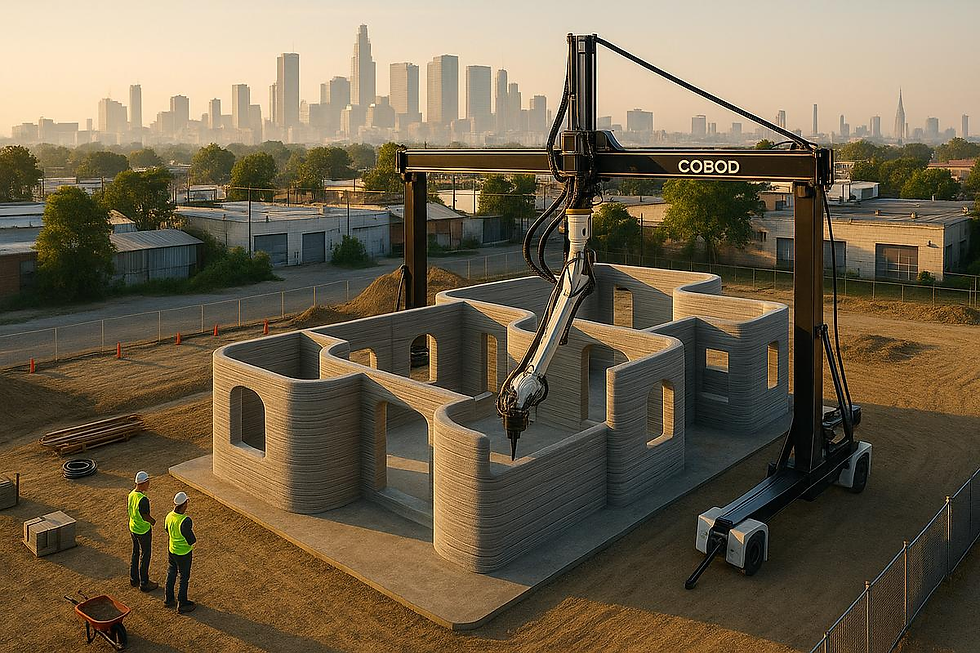
Robotic bricklayers, autonomous excavation machines, drone-based surveying systems, and automated concrete printers are transforming how projects are executed.
Boston Dynamics has already demonstrated robots capable of assisting in industrial and construction environments. Meanwhile, 3D printing technology is making it possible to construct buildings faster while reducing material waste.
Civil engineers will increasingly supervise automated systems instead of relying solely on traditional construction management methods.
Understanding robotics, drone mapping, machine learning applications, and automated surveying will become valuable skills.
The Growing Importance of Urban Transportation Systems
By 2050, transportation systems must handle massive urban populations while reducing environmental impact. Traditional road expansion alone will not solve congestion problems.
Future cities will depend on integrated transportation systems involving electric vehicles, high-speed rail networks, autonomous public transport, cycling infrastructure, and pedestrian-friendly urban planning.
Countries such as Japan already demonstrate advanced transportation engineering through systems like the Shinkansen.
Civil engineers will play a major role in designing transit systems that prioritize sustainability, accessibility, and efficiency.
Transportation engineering will become increasingly connected with environmental science and artificial intelligence.
Water Infrastructure Will Become Critical
Water scarcity is expected to become one of the most serious global challenges by 2050. Growing populations will increase pressure on existing water systems, requiring major improvements in water management infrastructure.
Civil engineers will need expertise in wastewater recycling systems, desalination plants, rainwater harvesting, underground storage systems, and smart water distribution networks.
Future infrastructure must minimize water loss, improve efficiency, and ensure long-term sustainability.
Cities facing water stress today provide lessons for future planning. Cape Town, for example, experienced severe water shortages that highlighted the importance of sustainable water management planning.
Water engineering will become one of the most valuable specializations in civil engineering.
Soft Skills and Business Knowledge Matter Too
The future civil engineer will need more than technical expertise. Large infrastructure projects increasingly require engineers to manage budgets, lead teams, communicate with stakeholders, and understand business strategy.
Technical knowledge alone may no longer guarantee career growth.
Professionals who combine engineering expertise with management knowledge often move into leadership positions faster. This is why many engineers pursue additional qualifications such as project management certifications or an Master of Business Administration.
The engineer of 2050 will function not only as a technical specialist but also as a strategist and decision-maker.
Lifelong Learning Is Essential
The biggest lesson for civil engineers preparing for the future is simple: continuous learning is mandatory.
The technologies, environmental challenges, and construction methods shaping the cities of 2050 are evolving rapidly. Skills learned during university may become outdated within a few years.
Engineers must stay updated through certifications, online courses, software training, and industry research.
Platforms such as Autodesk, Coursera, and MIT OpenCourseWare offer learning resources that help professionals stay competitive.
Conclusion
The cities of 2050 will be dramatically different from the cities we know today. They will be intelligent, sustainable, climate-resilient, highly connected, and deeply dependent on advanced technology.
Civil engineers will stand at the center of this transformation. The profession is evolving beyond traditional construction and entering an era where digital technology, sustainability, automation, and global challenges shape everyday work.
Those who begin preparing today by learning new technologies, understanding sustainability, mastering digital tools, and developing leadership skills will become the engineers who define the future.

The cities of 2050 are not being built tomorrow.
They are being designed by the engineers who are learning the right skills today.


Comments