
Building Materials Science Properties Testing and Real World Applications
- Anjali Regmi
- Mar 22
- 3 min read

Introduction to Building Materials in Civil Engineering
Building materials form the foundation of every construction project. The strength, durability, and performance of any structure depend heavily on the materials used.
For civil engineering students and freshers, building materials is often studied as a theoretical subject. However, in real world construction, understanding material behavior is critical for ensuring safety, quality, and long term performance.
Classification of Building Materials
Building materials can be broadly classified into natural and manufactured materials.
Natural materials include stone, sand, and timber, while manufactured materials include cement, steel, bricks, and concrete.
Each material has unique properties that make it suitable for specific applications. Understanding this classification helps engineers select the right material for each project.
Properties of Cement and Its Practical Use
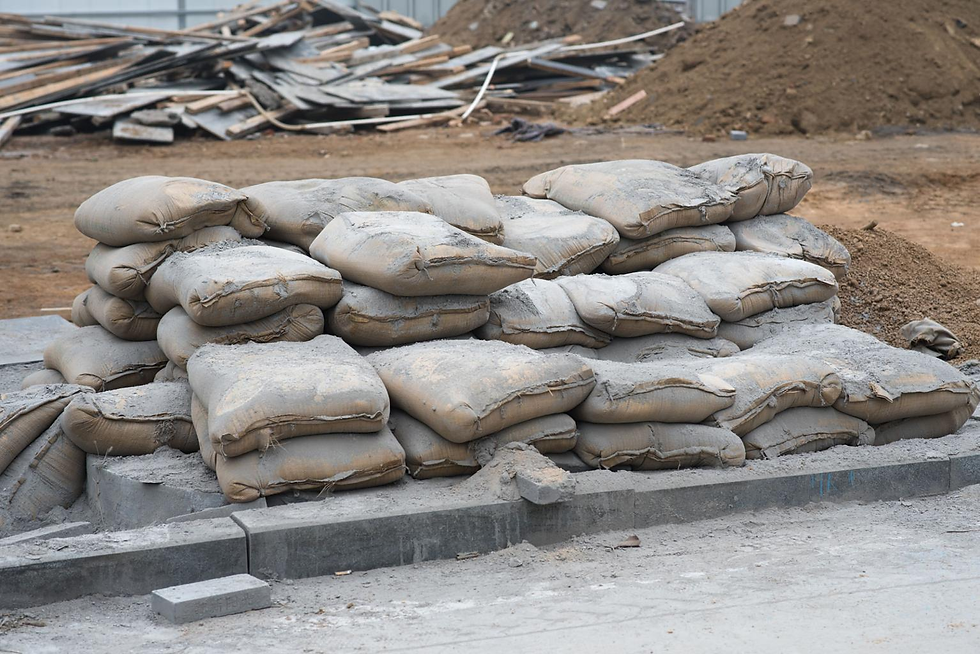
Cement is one of the most important materials in construction. Its properties include fineness, setting time, strength, and soundness.
In theory, these properties are tested using standard methods. On site, engineers must ensure that cement is stored properly and used within its shelf life.
Improper handling of cement can reduce its effectiveness and affect the strength of concrete.
Steel as a Structural Material

Steel is widely used in construction due to its high tensile strength and ductility. It is mainly used as reinforcement in concrete structures.
In theory, students learn about yield strength, ductility, and stress strain behavior. On site, proper placement and handling of steel are critical.
Incorrect spacing or improper bending can affect structural performance.
Aggregates and Their Role in Construction
Aggregates include sand and coarse materials like gravel and crushed stone. They form the bulk of concrete and influence its strength and durability.
Properties such as size, shape, and grading of aggregates are studied in textbooks.
On site, engineers must ensure that aggregates are clean, well graded, and free from impurities. Poor quality aggregates can weaken concrete.
Bricks and Masonry Materials

Bricks are commonly used in building construction. Their properties include compressive strength, water absorption, and durability.
In theory, bricks are tested in laboratories. On site, visual inspection and proper curing ensure good quality masonry.
Understanding brick properties helps in achieving strong and durable walls.
Testing of Building Materials
Material testing is essential to ensure that materials meet required standards.
In laboratories, tests such as compressive strength test, tensile test, and impact test are conducted.
On site, field tests like slump test for concrete and visual checks for materials are performed.
Testing helps in maintaining quality and avoiding structural failures.
Durability and Environmental Factors
Durability refers to the ability of materials to withstand environmental conditions over time.
Factors such as moisture, temperature, and chemical exposure affect material performance.
Engineers must select materials that can resist these conditions to ensure long term stability of structures.
Modern Materials and Innovations
Modern construction is evolving with new materials and technologies.
Materials like fiber reinforced concrete, self healing concrete, and eco friendly alternatives are being used to improve performance and sustainability.
Students should stay updated with these innovations to remain competitive in the industry.
Material Selection in Real Projects
Choosing the right material is a critical decision in construction.
Engineers must consider factors such as cost, availability, strength, and environmental impact.
In real projects, material selection often involves balancing performance with budget constraints.
Common Material Defects and Failures
Materials can fail due to poor quality, improper handling, or environmental factors.
For example, low quality steel may lead to structural weakness, while poor quality cement can cause cracks in concrete.
Understanding these defects helps engineers take preventive measures.
Integration of Theory and Site Practice
Building materials science is a perfect blend of theoretical knowledge and practical application.
Concepts like material properties and testing methods are learned in classrooms. On site, these concepts are applied to ensure quality and durability.
Engineers who understand both aspects can make better decisions.
Skills Required for Material Management
To work effectively with building materials, engineers need technical knowledge and practical awareness.
They must understand material properties, conduct tests, and ensure proper usage on site.
Attention to detail is essential, as small mistakes can affect the entire structure.
Conclusion
Building materials play a crucial role in the success of any construction project.
For students and freshers, mastering material properties, testing methods, and real world applications is essential.
By combining theoretical knowledge with field experience, engineers can ensure that structures are strong, durable, and efficient.


Comments