
BOQ vs Actual Site Quantities: Why Construction Estimates Often Go Wrong
- Anjali Regmi
- Mar 10
- 4 min read

In construction projects, accurate cost estimation and quantity calculation are essential for successful project management. Before construction begins, engineers prepare a Bill of Quantities (BOQ), which lists the estimated quantities of materials, labor, and work items required to complete the project. The BOQ forms the basis for project budgeting, contractor bidding, and financial planning.
However, in many real construction projects, the quantities listed in the BOQ often differ from the actual quantities used on site. This difference can lead to cost overruns, delays, and disputes between contractors and clients. Understanding why BOQ estimates differ from actual site quantities is crucial for civil engineers, project managers, and quantity surveyors.
What is a Bill of Quantities (BOQ)?
A Bill of Quantities (BOQ) is a detailed document that lists all the construction activities required in a project along with their estimated quantities. It includes items such as excavation, concrete work, reinforcement, masonry, plastering, and finishing works.
The BOQ typically includes:
Description of work items
Estimated quantity of materials
Unit of measurement
Cost per unit
This document helps contractors estimate project costs and submit competitive bids during the tendering process.
Importance of BOQ in Construction Projects
The BOQ plays a critical role in project planning and cost management. It helps project stakeholders understand the scope of work and allocate resources efficiently.
Key benefits of a BOQ include:
Accurate cost estimation before construction begins
Transparent tendering and contractor bidding
Effective financial planning for the project
Tracking of material consumption during construction
Despite its importance, BOQ estimates may still differ from actual site quantities.
What Are Actual Site Quantities?
Actual site quantities refer to the real quantities of materials and work performed during construction. These quantities are measured on-site as the project progresses.
Examples include:
Volume of concrete poured
Amount of reinforcement used
Quantity of bricks laid in masonry work
Area of plastering completed

Actual quantities are usually recorded in measurement books (MB) or project progress reports.
Why BOQ Quantities Often Differ from Actual Quantities
Several factors can cause discrepancies between estimated and actual quantities in construction projects.
Design Changes During Construction
One of the most common reasons for quantity variation is changes in design. During project execution, architects or consultants may modify structural layouts, room dimensions, or material specifications.
Even small design changes can significantly alter material quantities.
Site Conditions Different from Initial Assumptions
BOQ estimates are often prepared based on drawings and preliminary site investigations. However, actual site conditions may differ from initial assumptions.
Examples include:
Unexpected soil conditions during excavation
Presence of underground utilities
Changes in foundation depth due to soil instability
These factors can increase material usage.
Material Wastage on Construction Sites
Material wastage is another major factor affecting quantity differences. During construction, materials such as concrete, bricks, tiles, and steel may be wasted due to improper handling or cutting.

If wastage levels exceed estimated allowances, actual quantities will be higher than BOQ estimates.
Measurement Errors in BOQ Preparation
BOQ preparation requires precise calculations based on engineering drawings. Errors during quantity takeoff can lead to inaccurate estimates.
Common mistakes include:
Incorrect measurement of dimensions
Missing work items in the BOQ
Calculation errors during quantity estimation
Such mistakes can cause discrepancies during project execution.
Construction Method Differences
Sometimes the actual construction method used on site may differ from the method assumed during BOQ preparation.
For example:
Using thicker plaster layers to correct uneven masonry
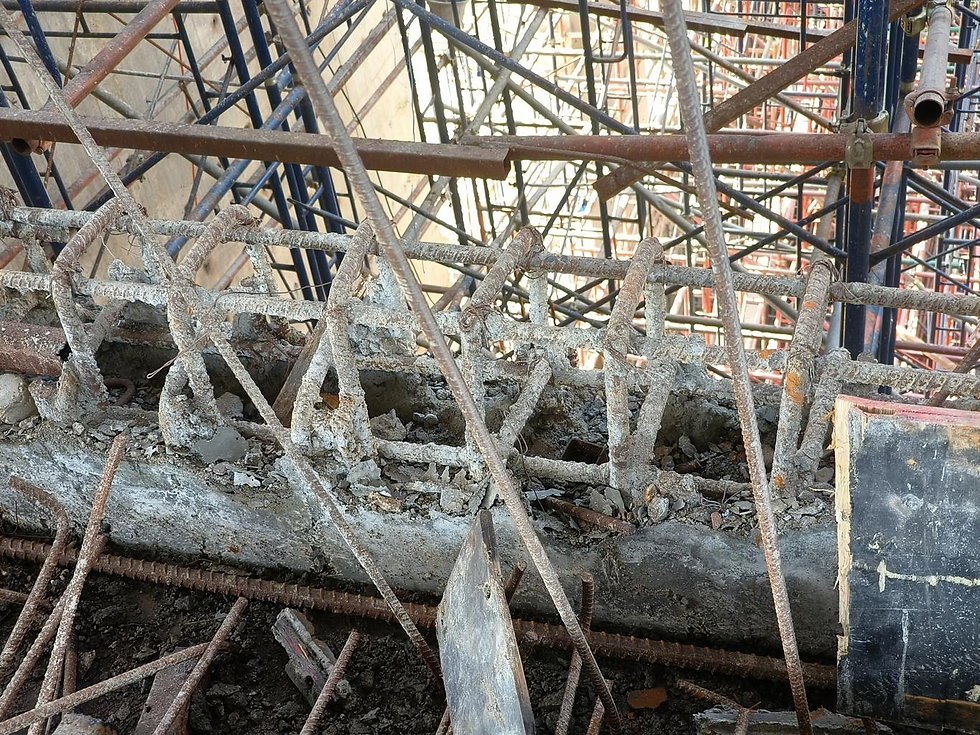
Additional reinforcement due to structural adjustments
Increased concrete usage due to formwork variations
These changes can increase material consumption.
Impact of Quantity Variations on Construction Projects
Differences between BOQ quantities and actual site quantities can have significant consequences for construction projects.
These impacts may include:
Project cost overruns
Delay in project completion
Financial disputes between contractors and clients
Difficulty in project budgeting and financial planning
Proper quantity management is therefore essential for project success.
Role of Quantity Surveyors and Site Engineers
Quantity surveyors and site engineers play a crucial role in monitoring construction quantities and controlling costs. Their responsibilities include:
Verifying work quantities on-site
Recording measurements accurately
Monitoring material consumption
Reporting quantity variations to project management
Regular quantity verification helps identify discrepancies early.
Methods to Reduce BOQ Quantity Errors
To minimize differences between estimated and actual quantities, engineers should adopt several best practices.
These include:
Conducting detailed site surveys before estimation
Preparing accurate quantity takeoffs from drawings
Including reasonable allowances for material wastage
Regularly monitoring quantities during construction
Using advanced software tools for quantity estimation can also improve accuracy.
Importance of Digital Quantity Takeoff Tools
Modern construction projects increasingly use digital tools to prepare BOQs and estimate material quantities. Software such as AutoCAD, BIM-based quantity takeoff systems, and construction estimation software allows engineers to calculate quantities more accurately.
Digital tools reduce manual calculation errors and improve project planning.
Conclusion
The difference between BOQ estimates and actual site quantities is a common challenge in construction projects. While BOQ provides a detailed estimate before construction begins, real-world conditions often lead to variations during project execution.
Factors such as design changes, unexpected site conditions, material wastage, and measurement errors contribute to these differences. Civil engineers, quantity surveyors, and project managers must carefully monitor construction quantities to control costs and prevent disputes.
In practical construction management, accurate quantity estimation and continuous site monitoring are essential for maintaining project efficiency, financial control, and successful project completion.


Comments