
BOQ (Bill of Quantities) vs Actual Site Execution: Where Cost Overruns Really Begin in Civil Engineering Projects
- Anjali Regmi
- Feb 26
- 4 min read

In civil engineering projects, the Bill of Quantities (BOQ) is considered the financial and operational backbone of project planning. It defines material quantities, cost estimates, and scope of work before construction begins. However, one of the most common and costly realities in construction is the gap between BOQ estimates and actual site execution. This mismatch often leads to budget overruns, material shortages, disputes, and project delays.
For civil engineers, especially site engineers and project managers, understanding how BOQ translates into real execution is a critical technical and operational skill. Most cost overruns do not originate from design complexity but from inaccurate quantity estimation, poor site tracking, variation orders, and execution inefficiencies.
Understanding the Practical Role of BOQ in Construction Projects
A BOQ is a detailed document that lists item-wise quantities of materials, labor, and work components required for project completion. It is used for tendering, budgeting, procurement planning, and cost control. In theory, BOQ is prepared based on drawings, specifications, and standard estimation methods. However, in real construction environments, site conditions, design changes, and execution challenges often cause deviations from planned quantities.

Why BOQ and Actual Site Quantities Rarely Match
1. Drawing Revisions and Design Changes
One of the biggest reasons for BOQ deviation is frequent drawing revisions during construction. Changes in beam size, slab thickness, foundation depth, or reinforcement detailing directly increase material consumption beyond the estimated BOQ.
2. Inaccurate Quantity Take-Off During Estimation
Errors in quantity take-off due to incorrect interpretation of drawings, missed structural elements, or calculation mistakes result in underestimation or overestimation. Fresh estimators often rely on theoretical dimensions without considering practical site conditions such as overlaps, laps, wastage, and construction tolerances.
Real Site Factors That Cause Cost Overruns
Material Wastage on Construction Sites
Improper material handling, poor storage, and unplanned cutting of steel lead to significant wastage. Cement exposure to moisture, aggregate contamination, and random reinforcement cutting increase actual consumption beyond BOQ estimates.
Rework Due to Execution Errors
Execution mistakes such as incorrect reinforcement placement, wrong shuttering alignment, or improper leveling result in demolition and reconstruction. Rework consumes additional materials, labor, and time, creating a major gap between BOQ and actual cost.
Variation Orders: The Hidden Cost Multiplier
Variation orders are changes in project scope initiated by clients, consultants, or unforeseen site conditions. These include additional structural elements, design modifications, or specification upgrades. If not properly documented and approved, variation work leads to uncontrolled expenses and disputes between contractors and clients.
BOQ vs Actual Execution in Major Construction Activities
Concrete Works
BOQ may estimate a specific volume of concrete, but actual consumption increases due to over-excavation, honeycombing repairs, and additional structural corrections.
Reinforcement Steel
Steel consumption often exceeds BOQ due to lap lengths, anchorage requirements, bending losses, and cutting wastage. Poor Bar Bending Schedule (BBS) coordination is a major contributor to this gap.
Earthwork and Excavation
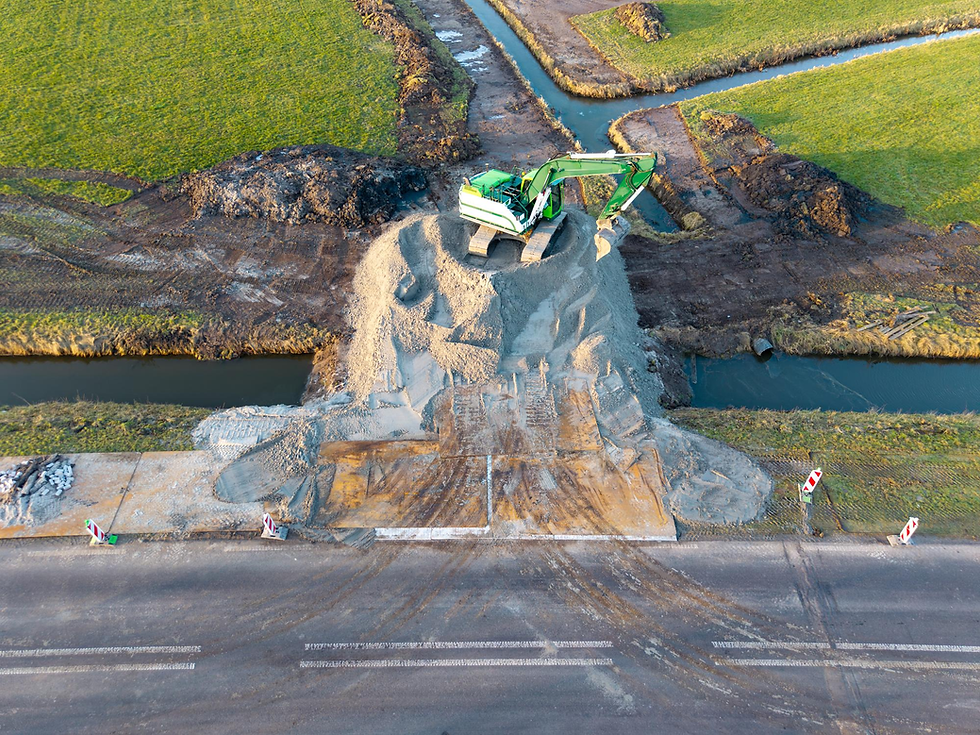
Soil variability and unexpected underground conditions frequently increase excavation quantities beyond initial estimates.
Role of Site Engineers in Controlling BOQ Deviations
Site engineers act as the link between estimation and execution. Their responsibilities include verifying quantities, tracking material consumption, and maintaining daily records. Engineers who fail to monitor usage and wastage allow uncontrolled cost escalation. Regular reconciliation of planned vs actual quantities is essential for effective cost control.
Importance of Material Reconciliation and Quantity Tracking
Material reconciliation is a systematic comparison between issued materials, consumed quantities, and remaining stock. This process helps identify wastage, theft, or overconsumption. Without reconciliation, project managers cannot detect financial leakages until the project budget is already exceeded.
Operational Mistakes That Increase Project Costs
Lack of proper site measurement and record keeping
Poor coordination between store and site teams
Uncontrolled subcontractor execution
Ignoring wastage factors during estimation
Absence of real-time quantity monitoring
These operational gaps silently inflate project costs even when the BOQ appears technically accurate.
Digital Tools for BOQ and Cost Control in Modern Construction
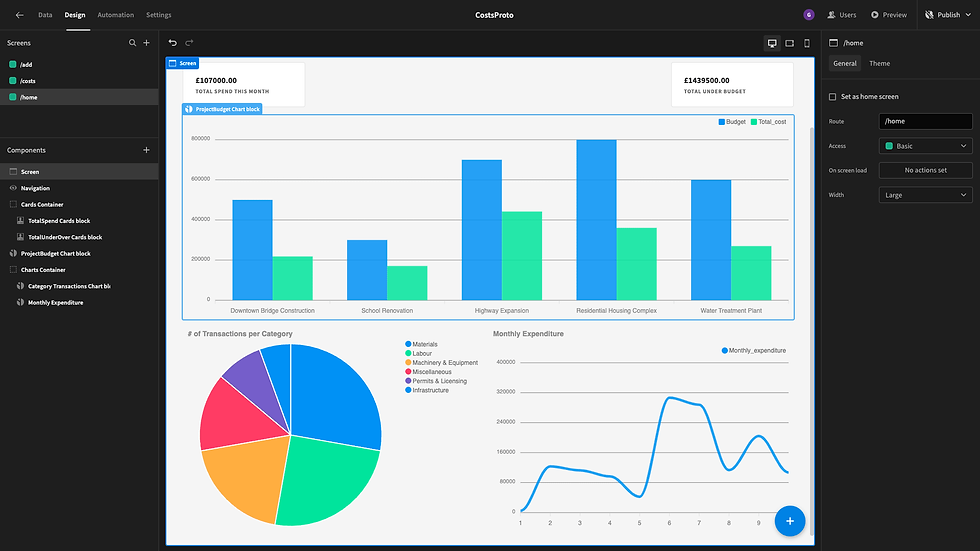
Modern construction projects increasingly use software tools such as quantity take-off software, ERP systems, and BIM-based estimation models. These tools allow real-time tracking of quantities, cost forecasting, and variation analysis. However, even the best software cannot replace on-site verification and engineering judgment.
Contractual and Financial Implications of BOQ Deviations
Significant differences between BOQ and actual execution often lead to contractual disputes, delayed payments, and financial claims. Contractors may file variation claims, while clients demand justification for cost escalations. Proper documentation, measurement sheets, and approval records are crucial to resolve such disputes professionally.
Best Practices to Minimize Cost Overruns in Construction Projects
Prepare BOQ with detailed drawing analysis
Include wastage and lap factors in estimation
Maintain daily material consumption records
Conduct regular quantity audits
Implement strict supervision and quality control
Use BBS for steel optimization
Ensure proper documentation of variation work
Conclusion: Bridging the Gap Between Estimation and Execution
The gap between BOQ and actual site execution is one of the most critical financial realities in civil engineering projects. Cost overruns rarely occur due to a single large mistake; instead, they accumulate through small operational inefficiencies, rework, wastage, and poor quantity tracking. Engineers who understand both estimation principles and real execution challenges are better equipped to control project costs and improve profitability.
In the practical construction industry, BOQ should not be treated as a static document but as a dynamic cost control tool that evolves with site conditions and project progress. A civil engineer who actively monitors quantities, manages resources efficiently, and documents variations accurately demonstrates strong technical, financial, and operational competence — qualities that are essential for successful project execution and long-term professional growth.


Comments