
Beam–Column Junction Failures in RCC Structures and Site-Level Mistakes Behind Them
- Anjali Regmi
- Feb 8
- 4 min read

Introduction
Beam–column junctions are among the most critical zones in reinforced cement concrete (RCC) structures. These junctions act as load-transfer hubs where forces from beams are transmitted to columns and then to the foundation. While structural designs carefully account for these stress concentrations, real-life failures at beam–column junctions are still frequently observed on construction sites. In most cases, the design is technically correct, but execution-level mistakes compromise structural integrity. Understanding why these failures occur and how site practices contribute to them is essential for every civil engineer.
Importance of Beam–Column Junctions in RCC Structures
Beam–column junctions are subjected to complex stress conditions, including shear forces, bending moments, and axial loads. During events such as earthquakes or heavy loading, these joints experience stress reversals and high shear demand. Structural design codes emphasize proper detailing in these zones because failure here can lead to progressive collapse. Unlike flexural failure in beams, junction failure is sudden and brittle, leaving little warning before catastrophic damage.
Common Structural Symptoms of Junction Failure
Failures at beam–column junctions manifest through diagonal cracks, crushing of concrete, spalling at joint faces, and excessive deformation. In seismic zones, joints may show X-shaped cracking patterns. Often, cracks appear initially in infill masonry near the junction, misleading engineers into underestimating the seriousness of the problem. By the time visible damage reaches RCC members, structural safety may already be compromised.
Reinforcement Congestion and Poor Bar Placement
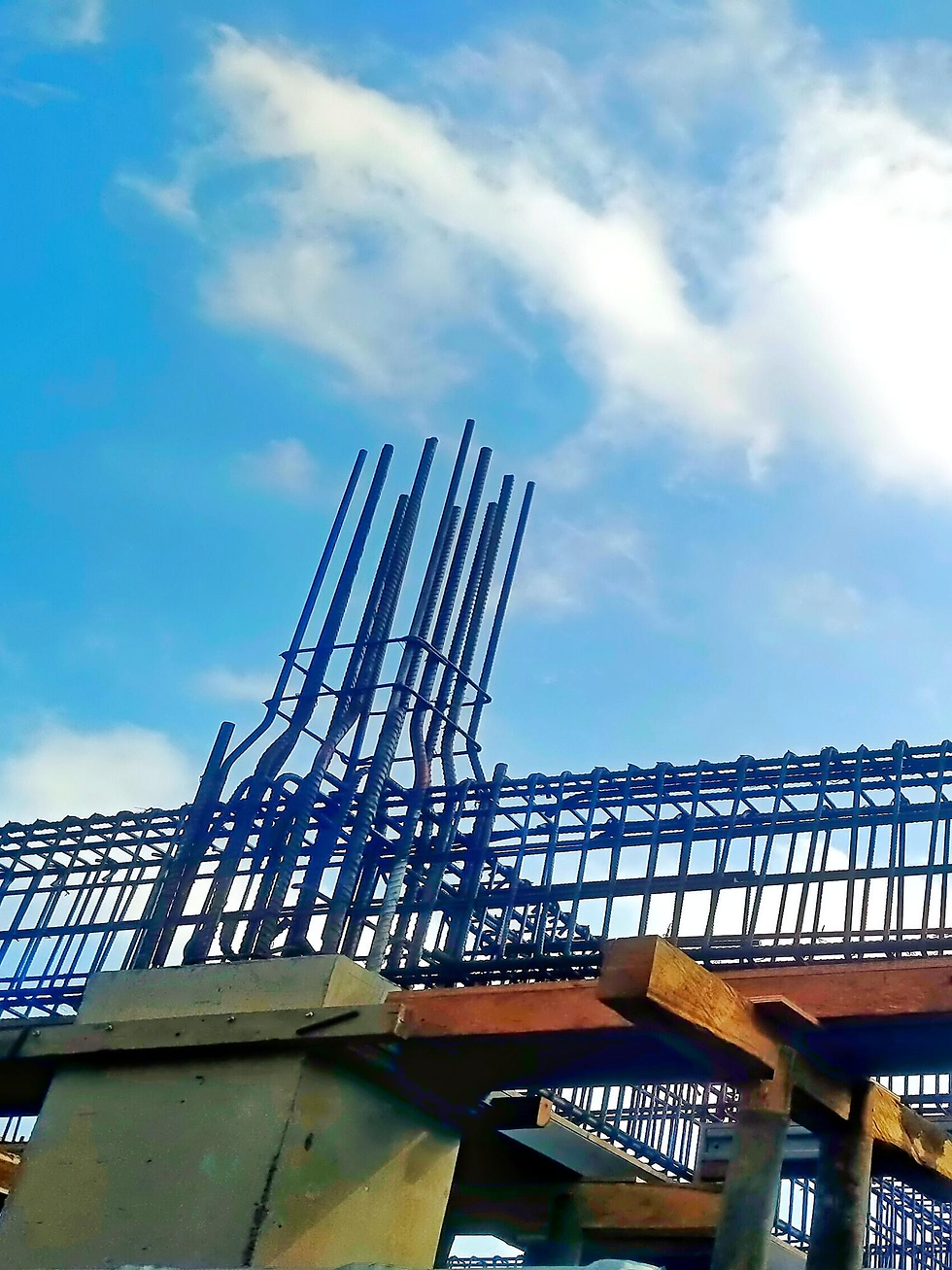
One of the most common site-level mistakes at beam–column junctions is reinforcement congestion. Structural drawings often specify multiple layers of longitudinal bars, stirrups, and anchorage bars within a confined space. On site, this congestion makes proper placement difficult. To ease concreting, bars may be bent incorrectly, reduced in number, or shifted from their intended positions. These unauthorized adjustments reduce confinement and shear capacity at the joint, directly increasing failure risk.
Inadequate Anchorage and Development Length
Beam reinforcement must be properly anchored into columns to ensure force transfer. In real projects, anchorage lengths are often compromised due to lack of space or poor understanding of detailing requirements. Hooks may be omitted, bends may be incorrect, and bars may terminate prematurely inside the joint. Without adequate development length, beams cannot mobilize their full strength, leading to premature cracking and joint distress.

Poor Concrete Placement and Compaction at Junctions
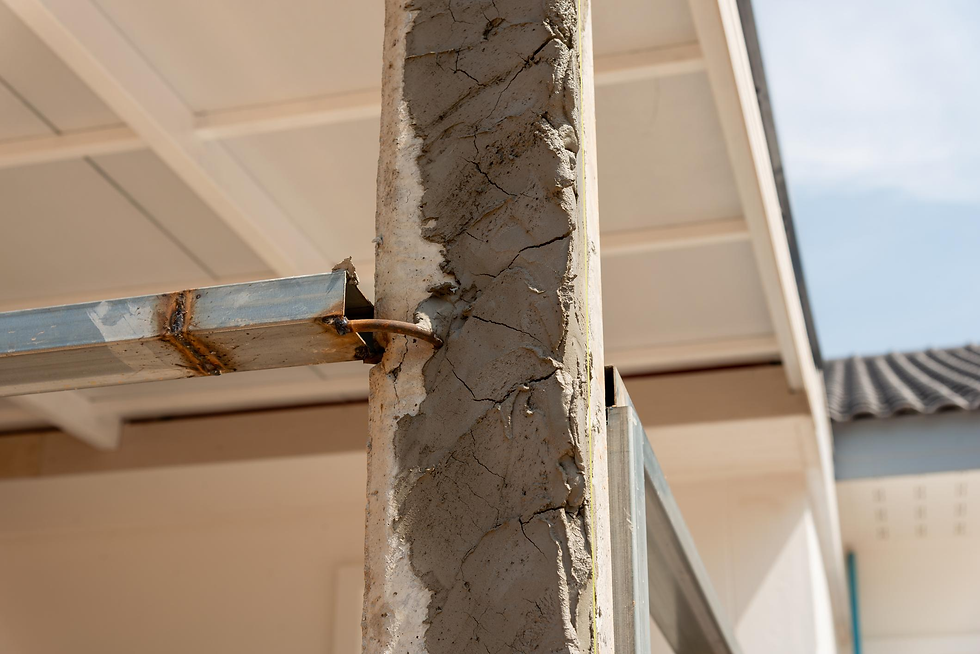
Concrete placement at beam–column junctions is particularly challenging due to dense reinforcement. Inadequate vibration leads to honeycombing and voids within the joint core. These voids reduce effective shear area and weaken bond between steel and concrete. In many cases, honeycombing is concealed using plaster or grout, hiding serious structural defects rather than addressing them.
Weak Confinement Due to Missing or Improper Stirrups
Confinement reinforcement plays a crucial role in maintaining joint integrity under high stress. Missing stirrups, improper spacing, or incorrect bending drastically reduce joint ductility. In seismic regions, lack of proper confinement leads to brittle shear failure during lateral loading. Such failures often occur suddenly and without sufficient warning.
Construction Sequence and Early Loading Effects
Beam–column junctions are sensitive to construction sequencing. When slabs or upper floors are cast before lower-level concrete gains adequate strength, excessive stress is introduced into partially cured joints. Early loading from stacked materials or equipment further aggravates the problem. These practices create microcracks that weaken the joint long before the structure becomes operational.
Design–Execution Coordination Gaps
Structural drawings often require careful interpretation at junctions. Lack of coordination between designers and site engineers leads to misunderstandings about bar placement, lap locations, and construction joints. When site teams modify details without consulting designers, load paths are altered, invalidating design assumptions and increasing failure risk.
Real-Life Consequences of Beam–Column Junction Failure
Failure at beam–column junctions can lead to partial or total collapse of structures. Even when collapse does not occur, repair and retrofitting are complex and expensive. Techniques such as jacketing, fiber-reinforced polymer wrapping, and steel encasement are used, but they increase cost, disrupt occupancy, and reduce aesthetic quality. In seismic events, junction failures are often responsible for disproportionate damage compared to other structural elements.
Role of Civil Engineers in Preventing Junction Failures
Preventing beam–column junction failure requires discipline at both design and site levels. Engineers must ensure that reinforcement detailing is constructible, clearly communicated, and strictly followed. Site engineers should conduct reinforcement checks before concreting, ensure adequate vibration, and verify anchorage details. Any deviation from drawings must be reviewed and approved by the structural designer.
Best Practices for Safe Beam–Column Junction Construction
Effective measures include using smaller diameter bars to reduce congestion, providing clear detailing drawings, sequencing concrete pours carefully, and training labor to understand the importance of junction zones. Mock-ups and pre-pour inspections significantly reduce execution errors. Treating beam–column junctions as critical structural zones rather than routine elements improves overall building safety.
Conclusion
Beam–column junction failures in RCC structures are rarely caused by flawed design alone. More often, they result from site-level compromises, poor detailing execution, and inadequate supervision. These junctions are the backbone of load transfer and structural stability. For civil engineers, respecting detailing requirements, ensuring construction discipline, and recognizing the seriousness of junction zones are non-negotiable responsibilities. Strong structures are built not just on calculations, but on precise execution where it matters most.


Comments