
Basics of Waterproofing in Construction Types Methods Materials and Site Applications
- Anjali Regmi
- Apr 5
- 2 min read

Introduction to Waterproofing
Waterproofing is a critical aspect of construction that prevents water infiltration into structures. It protects buildings from damage, enhances durability, and ensures long term performance.
For students and freshers, understanding waterproofing is essential as it directly impacts structural life and maintenance.

Importance of Waterproofing in Construction
Water penetration can cause structural damage, corrosion of reinforcement, and deterioration of materials.
Proper waterproofing prevents leakage, dampness, and mold growth.
It is essential for maintaining safety and durability of buildings.
Areas Requiring Waterproofing
Waterproofing is required in areas exposed to water such as roofs, bathrooms, basements, and water tanks.
Each area requires specific methods and materials based on exposure conditions.
Types of Waterproofing Methods
There are various waterproofing methods used in construction.
Cementitious waterproofing is commonly used for internal areas.
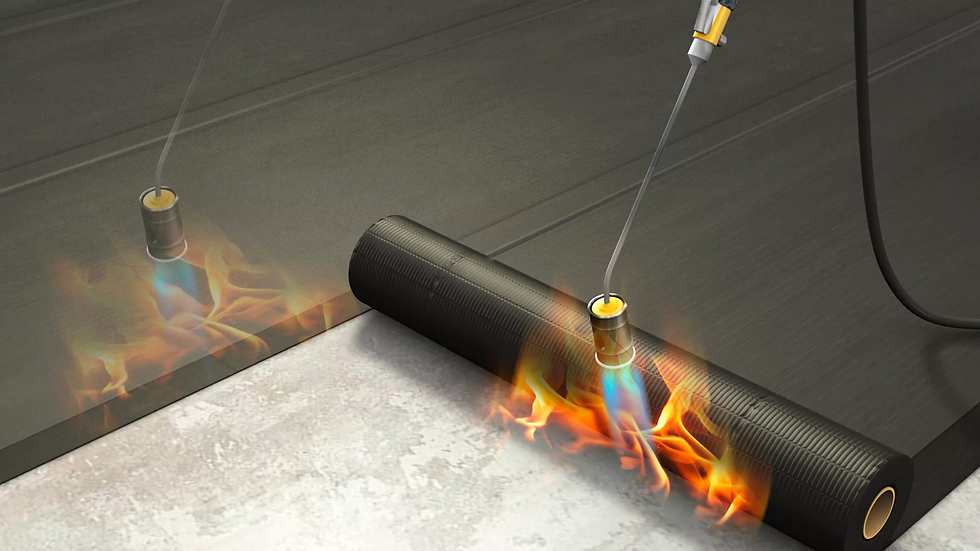
Bituminous waterproofing uses asphalt based materials.
Liquid waterproofing involves applying a coating that forms a protective layer.
Polyurethane waterproofing provides high flexibility and durability.
Waterproofing Materials
Materials used include membranes, coatings, and chemical admixtures.
Selection depends on the type of structure and environmental conditions.
Proper material choice ensures effective waterproofing.
Application Process of Waterproofing
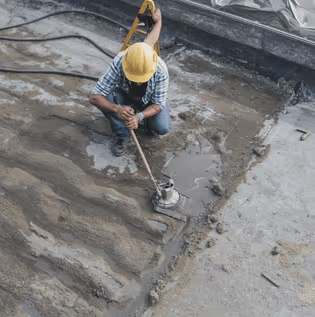
The application process involves surface preparation, priming, application of material, and curing.
Proper preparation ensures good adhesion.
Engineers must supervise the process carefully.
Testing of Waterproofing Systems
Waterproofing is tested to ensure effectiveness.
Methods include water ponding test and leakage inspection.
Testing helps in identifying defects before completion.
Common Waterproofing Failures
Failures may occur due to poor application, low quality materials, or lack of maintenance.
Common issues include leakage, cracks, and peeling of coating.
Proper supervision and quality control prevent failures.
Maintenance of Waterproofing Systems
Regular inspection and maintenance are required to ensure long term performance.
Timely repairs help in preventing major damage.
Integration of Theory and Field Practice
Waterproofing combines theoretical knowledge of materials with practical application techniques.
Engineers must ensure correct execution on site.
Skills Required for Waterproofing Work
Engineers need knowledge of materials and application methods.
Attention to detail is essential for proper coverage and sealing.
Supervision skills help in ensuring quality work.
Conclusion
Waterproofing is essential for protecting structures from water damage and ensuring durability.
For students and freshers, understanding methods, materials, and application techniques is crucial.
By combining theoretical knowledge with practical experience, engineers can ensure effective waterproofing and long lasting constructio


Comments