
Basics of Tunneling Engineering Methods Equipment Ground Support and Safety Practices
- Anjali Regmi
- Apr 6
- 2 min read

Introduction to Tunneling Engineering
Tunneling engineering is a specialized field of civil engineering that involves the construction of underground passages for transportation, water supply, and utilities.
Tunnels are commonly used for metro systems, highways, railways, and pipelines.
For students and freshers, this topic combines geotechnical engineering, structural design, and construction techniques.
Importance of Tunnels in Infrastructure
Tunnels help in overcoming geographical obstacles such as mountains and rivers.
They reduce travel distance and improve connectivity.
Underground construction also helps in minimizing surface disruption in urban areas.
Types of Tunnels
Tunnels can be classified based on their purpose.
Transport tunnels are used for roads and railways.
Hydraulic tunnels are used for water conveyance.
Utility tunnels carry pipelines and cables.
Mining tunnels are used for extraction of minerals.
Methods of Tunneling
Different methods are used depending on ground conditions.
Tunnel Boring Machine method is used for large scale projects.
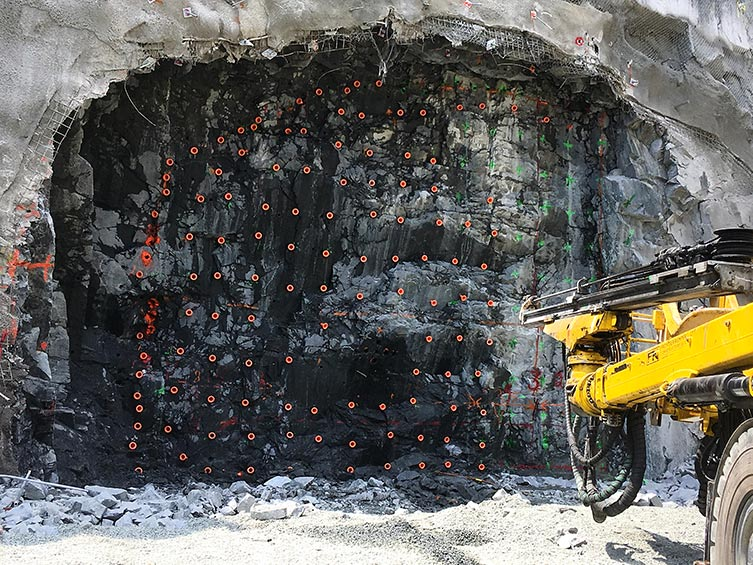
Drill and blast method is used in hard rock.
Cut and cover method is used in shallow tunnels.
New Austrian Tunneling Method uses ground support techniques.
Tunnel Components and Lining
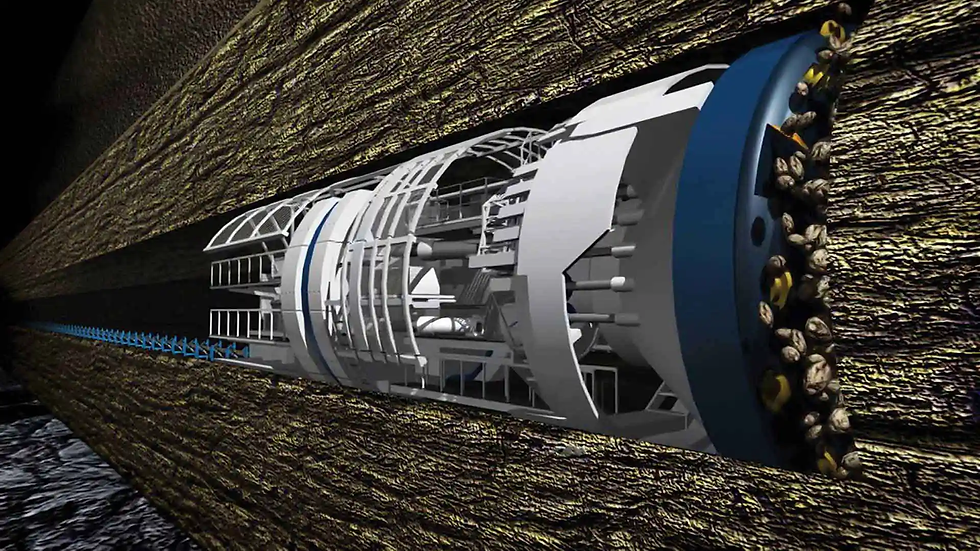
Tunnels consist of components such as lining, support systems, and drainage.
Lining provides structural stability and prevents collapse.
Proper design of lining is essential for safety.
Equipment Used in Tunneling
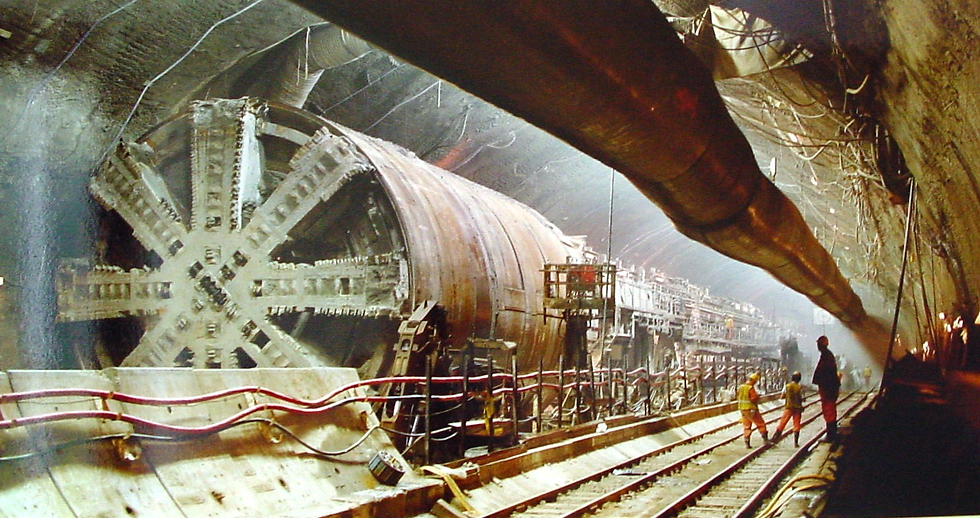
Equipment used includes tunnel boring machines, drilling machines, and shotcrete equipment.
These machines improve efficiency and safety in tunneling operations.
Ground Support and Stabilization
Ground support is necessary to prevent collapse during excavation.
Methods include rock bolts, shotcrete, and steel supports.
Engineers must design support systems based on ground conditions.
Ventilation and Safety in Tunnels
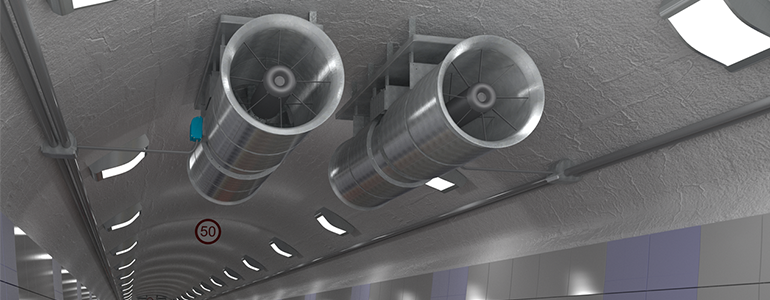
Ventilation systems provide fresh air and remove harmful gases.
Safety measures include proper lighting, emergency exits, and protective equipment.
Engineers must ensure safe working conditions.
Challenges in Tunneling Engineering
Tunneling involves challenges such as groundwater ingress, unstable soil, and high pressure conditions.
Engineers must plan carefully to handle these challenges.
Integration of Theory and Field Practice
Tunneling engineering combines geotechnical analysis with practical construction techniques.
Engineers must apply theoretical concepts accurately on site.
Skills Required for Tunneling Engineers
Engineers need knowledge of soil and rock mechanics.
Problem solving and decision making skills are essential.
Understanding of equipment and safety practices is also important.
Conclusion
Tunneling engineering is a complex and essential part of modern infrastructure development.
For students and freshers, understanding methods, equipment, and safety practices is crucial.
By combining theoretical knowledge with practical experience, engineers can successfully execute underground construction projects.


Comments