
Basics of Transportation Engineering Traffic Flow Road Design and Modern Mobility Systems
- Anjali Regmi
- Apr 3
- 2 min read

Introduction to Transportation Engineering
Transportation engineering is a major branch of civil engineering that deals with the planning, design, operation, and management of transportation systems. It ensures safe, efficient, and economical movement of people and goods.
For students and freshers, this subject connects road design principles with real world traffic management.
Importance of Transportation Systems
Transportation systems are essential for economic growth and connectivity.
They facilitate movement of goods, reduce travel time, and improve accessibility.
Efficient systems contribute to development of cities and regions.
Modes of Transportation

Transportation can be classified into road, rail, air, and water transport.
Each mode has its own advantages and applications.
Engineers must plan systems based on demand and efficiency.
Traffic Flow Characteristics
Traffic flow is studied using parameters such as speed, density, and volume.
These parameters help in analyzing road performance and congestion.
Engineers use this data to improve traffic conditions.
Road Design Principles
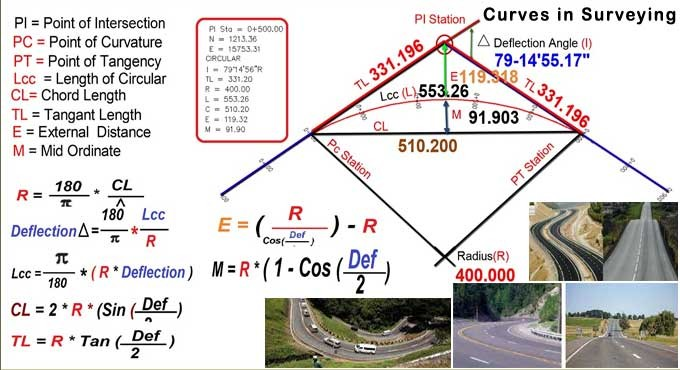
Road design involves geometric design elements such as alignment, gradients, and curves.
Superelevation is provided on curves to counteract centrifugal force.
Proper design ensures safety and comfort for users.
Traffic Control Devices
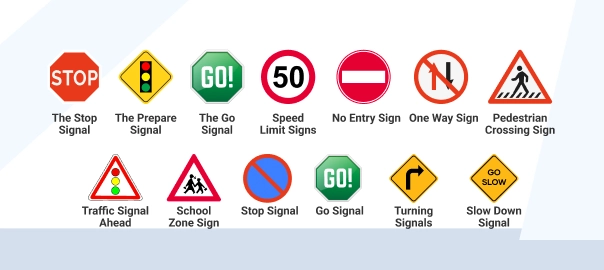
Traffic control devices include signals, signs, and road markings.
These devices regulate traffic movement and improve safety.
Engineers must design and maintain these systems effectively.
Highway Capacity and Level of Service
Highway capacity refers to the maximum number of vehicles that can pass through a road.
Level of service indicates the quality of traffic flow.
These concepts help in evaluating road performance.
Urban Transportation Planning

Urban transportation planning focuses on developing efficient systems for cities.
This includes public transport, traffic management, and infrastructure development.
Engineers must address issues such as congestion and pollution.
Modern Mobility Systems
Modern systems include metro rail, bus rapid transit, and electric vehicles.
Smart technologies are used for traffic management and monitoring.
These innovations improve efficiency and sustainability.
Challenges in Transportation Engineering
Transportation systems face challenges such as congestion, pollution, and increasing demand.
Engineers must develop sustainable and efficient solutions.
Integration of Theory and Field Practice
Transportation engineering combines theoretical concepts with practical implementation.
Engineers must apply design principles and traffic analysis on site.
Skills Required for Transportation Engineers
Engineers need analytical skills and understanding of traffic behavior.
Knowledge of design standards and planning is essential.
Problem solving skills help in managing traffic issues.
Conclusion
Transportation engineering is essential for developing efficient and safe mobility systems.
For students and freshers, understanding traffic flow, road design, and modern transportation systems is crucial.
By combining theoretical knowledge with practical application, engineers can contribute to better transportation infrastructure and urban development.


Comments