
Basics of Smart Materials in Civil Engineering Self Healing Concrete Shape Memory Alloys and Advanced Materials
- Anjali Regmi
- Apr 9
- 2 min read

Introduction to Smart Materials
Smart materials are advanced materials that can respond to environmental changes such as stress, temperature, or moisture.
In civil engineering, these materials are used to improve durability, strength, and performance of structures.
For students and freshers, this topic introduces the future of construction materials and innovation.
Importance of Smart Materials
Smart materials enhance structural performance and reduce maintenance costs.
They help in improving safety and extending the life of structures.
These materials are increasingly used in modern construction.
Types of Smart Materials
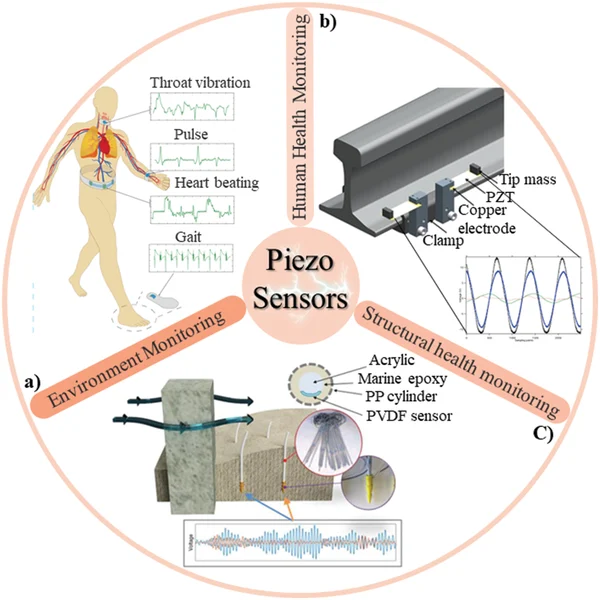
There are various types of smart materials used in civil engineering.
Self healing concrete can repair cracks automatically.
Shape memory alloys can return to their original shape after deformation.
Piezoelectric materials can generate electricity from stress.
Each material has unique applications.
Self Healing Concrete
Self healing concrete contains bacteria or microcapsules that activate when cracks occur.
These materials produce substances that fill the cracks.
This reduces maintenance and improves durability.
Shape Memory Alloys

Shape memory alloys can return to their original shape after deformation.
They are used in seismic resistant structures and adaptive systems.
These materials improve structural resilience.
Fiber Reinforced Polymers

Fiber reinforced polymers are used for strengthening structures.
They are lightweight, strong, and resistant to corrosion.
They are widely used in retrofitting and rehabilitation.
Nanomaterials in Construction
Nanomaterials improve strength, durability, and performance of construction materials.
They enhance properties such as resistance to cracks and environmental effects.
Research in nanotechnology is expanding in civil engineering.
Applications of Smart Materials
Smart materials are used in bridges, buildings, and infrastructure.
They help in monitoring structural health and improving performance.
Engineers must understand their applications.
Advantages of Smart Materials
These materials improve durability, reduce maintenance, and enhance safety.
They also support sustainable construction practices.
Challenges in Using Smart Materials
Challenges include high cost and limited availability.
Engineers must evaluate cost effectiveness before use.
Integration of Innovation with Civil Engineering
Smart materials represent the integration of science and engineering.
Engineers must adapt to new technologies for better solutions.
Skills Required for Modern Engineers
Engineers need knowledge of advanced materials and research.
Analytical and problem solving skills are essential.
Continuous learning is important.
Conclusion
Smart materials are transforming the field of civil engineering by improving performance and sustainability.
For students and freshers, understanding these materials is essential for future growth.
By combining traditional knowledge with modern innovations, engineers can create advanced and durable structures.


Comments