
Basics of Smart Cities and Urban Infrastructure Technology Data Systems and Sustainable Development
- Anjali Regmi
- Apr 5
- 2 min read

Introduction to Smart Cities
Smart cities represent the future of urban development where technology is integrated with infrastructure to improve efficiency, sustainability, and quality of life.
In civil engineering, smart cities combine traditional infrastructure with digital systems such as sensors, data analytics, and automation.
For students and freshers, this topic highlights the shift from conventional construction to technology driven development.
Need for Smart Urban Infrastructure
Rapid urbanization has increased pressure on cities.
Issues such as traffic congestion, pollution, and resource scarcity require innovative solutions.
Smart infrastructure helps in managing these challenges efficiently.
Components of Smart Cities
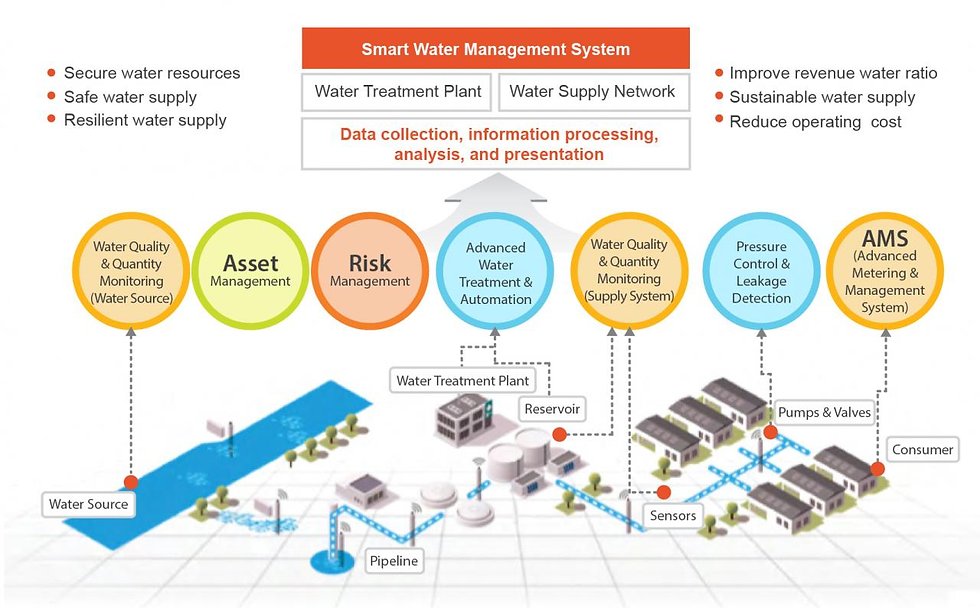
Smart cities consist of various interconnected systems.
These include smart transportation, energy systems, water management, and waste management.
Integration of these components improves overall efficiency.
Role of IoT and Sensors
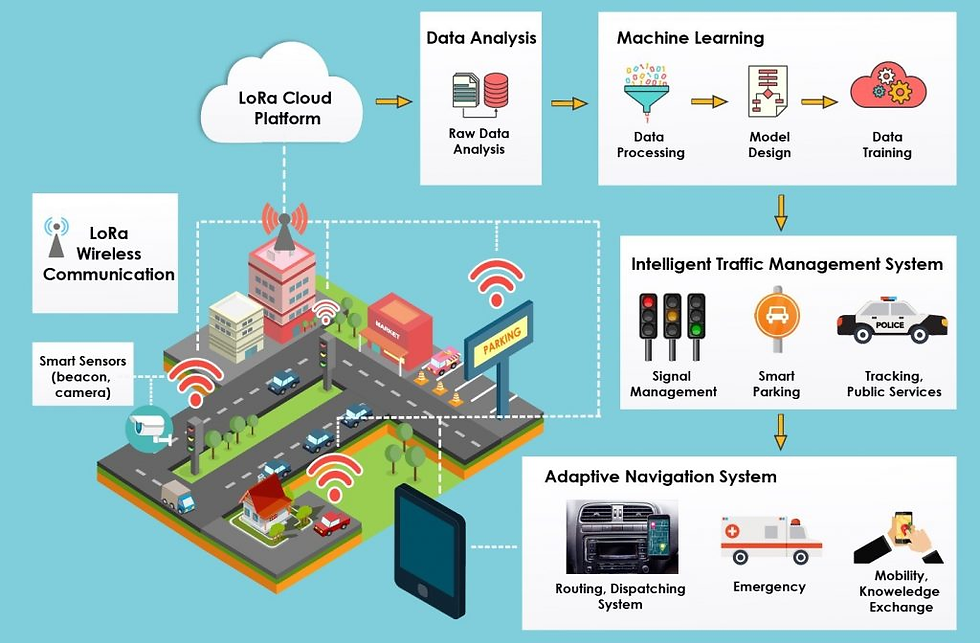
Internet of Things and sensors are key technologies in smart cities.
They collect real time data on traffic, air quality, and energy usage.
This data helps in making informed decisions.
Smart Transportation Systems

Smart transportation includes intelligent traffic systems, public transport, and electric vehicles.
These systems reduce congestion and improve mobility.
Engineers must design efficient transport networks.
Smart Water and Waste Management
Smart systems monitor water supply and detect leaks.
Waste management systems use sensors for efficient collection and disposal.
These technologies help in resource conservation.
Energy Efficient Infrastructure
Smart cities focus on renewable energy and energy efficient systems.
Solar panels, smart grids, and energy efficient buildings reduce energy consumption.
Engineers must design sustainable energy solutions.
Data Management and Digital Platforms

Data is the backbone of smart cities.
Central control systems analyze data and manage city operations.
Digital platforms improve decision making and efficiency.
Challenges in Smart City Development
Smart cities face challenges such as high initial cost, data security, and integration of systems.
Engineers must address these challenges for successful implementation.
Integration of Civil Engineering and Technology
Smart cities combine civil engineering with information technology.
Engineers must understand both infrastructure and digital systems.
Skills Required for Smart City Engineers
Engineers need knowledge of infrastructure, data systems, and sustainability.
Adaptability and continuous learning are essential.
Problem solving skills help in managing complex systems.
Future of Smart Cities
Smart cities will continue to evolve with advancements in technology.
They will focus on sustainability, efficiency, and improved quality of life.
Civil engineers will play a key role in shaping these cities.
Conclusion
Smart cities represent the future of urban infrastructure and development.
For students and freshers, understanding smart systems, data integration, and sustainability is crucial.
By combining civil engineering knowledge with modern technology, engineers can contribute to building smarter, more efficient, and sustainable cities.


Comments