
Basics of Road Construction Materials Bitumen Asphalt Design and Site Practices
- Anjali Regmi
- Mar 30
- 2 min read

Introduction to Road Construction Materials
Road construction is a key area in civil engineering, and materials play a critical role in determining the strength, durability, and performance of roads. Bitumen and asphalt are widely used materials for flexible pavements.
For students and freshers, understanding these materials connects theoretical pavement design with practical site execution.
Types of Pavement
Roads are broadly classified into flexible pavements and rigid pavements.
Flexible pavements use bitumen as a binder and consist of multiple layers.
Rigid pavements use concrete and have high strength and durability.
Selection depends on traffic load, cost, and environmental conditions.
Bitumen and Its Properties
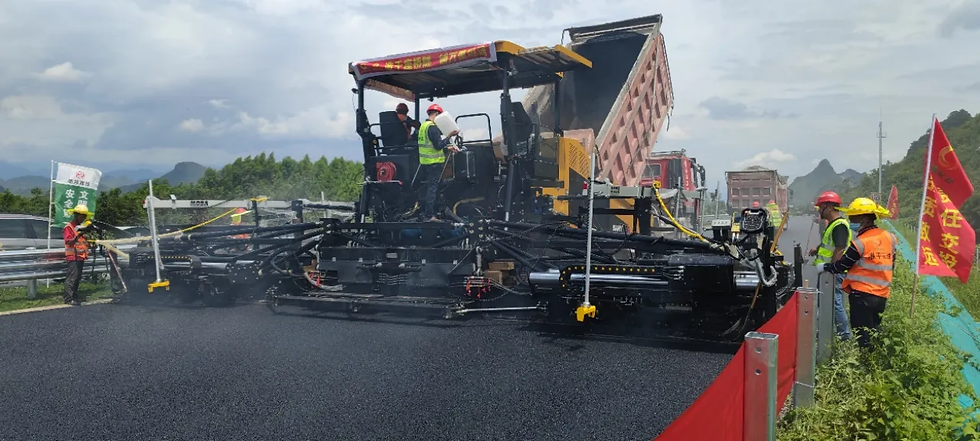
Bitumen is a viscous material used as a binder in road construction.
It provides flexibility and waterproofing to pavements.
Important properties include penetration, ductility, viscosity, and softening point.
These properties are tested to ensure quality.
Asphalt and Bituminous Mix
Asphalt is a mixture of aggregates and bitumen.
It is prepared in hot mix plants and transported to the site.
Proper mixing ensures uniform coating of aggregates.
Engineers must ensure correct proportions for strength and durability.
Pavement Layers and Their Functions
Flexible pavements consist of several layers.
The subgrade provides support, the sub base and base layers distribute load, and the surface layer provides smoothness and durability.
Each layer must be constructed properly for long lasting performance.
Construction Process of Bituminous Roads
The process includes preparation of subgrade, laying of base layers, and application of bituminous layers.
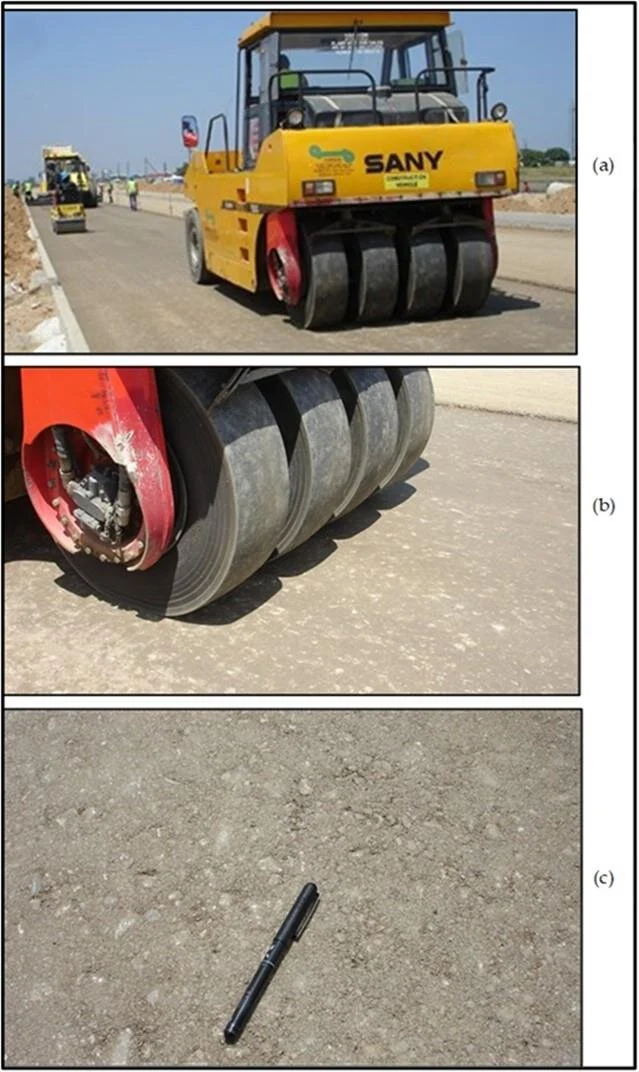
Hot mix asphalt is laid using pavers and compacted using rollers.
Proper temperature control is essential during laying.
Compaction and Quality Control

Compaction is critical for achieving desired density and strength.
Rollers are used to compact each layer.
Quality control tests ensure that the pavement meets specifications.
Common Defects in Bituminous Roads
Common defects include cracks, potholes, rutting, and bleeding.
These defects may occur due to poor materials, improper construction, or heavy traffic.
Engineers must identify and repair these issues promptly.
Maintenance of Roads
Regular maintenance is necessary to extend the life of roads.
Activities include patching, resurfacing, and crack sealing.
Proper maintenance ensures safety and durability.
Integration of Theory and Field Practice
Road construction combines theoretical design with practical execution.
Engineers must apply pavement design concepts accurately on site.
Skills Required for Road Engineers
Engineers need knowledge of materials, construction techniques, and testing methods.
Planning and supervision skills are essential for site management.
Problem solving skills help in handling defects and challenges.
Conclusion
Road construction materials and techniques are fundamental to transportation infrastructure.
For students and freshers, understanding bitumen, asphalt, and pavement layers is essential.
By combining theoretical knowledge with practical experience, engineers can design and construct durable and efficient roads.


Comments