
Basics of Rate Analysis in Construction Material Labor Equipment Cost Breakdown and Practical Calculation
- Anjali Regmi
- Apr 12
- 2 min read

Introduction to Rate Analysis
Rate analysis is a fundamental concept in civil engineering used to determine the cost of a particular construction activity per unit quantity.
It involves calculating the cost of materials, labor, equipment, and overheads required to complete a specific item of work.
For students and freshers, understanding rate analysis is essential for estimation, billing, and project management.
Importance of Rate Analysis
Rate analysis helps in preparing accurate project estimates.
It ensures proper budgeting and cost control.
Engineers use it for tendering and billing purposes.
Components of Rate Analysis

Rate analysis includes several components.
Material cost includes cost of cement, sand, aggregate, and other materials.
Labor cost includes wages of workers.
Equipment cost includes machinery usage.
Overheads include supervision, transportation, and miscellaneous expenses.
Material Cost Calculation
Material cost is calculated based on quantity and unit rate.
Engineers must determine the exact quantity required for the work.
Accurate calculation ensures cost efficiency.
Labor Cost Calculation

Labor cost depends on number of workers and wages.
Productivity of labor is also considered.
Efficient labor management reduces cost.
Equipment Cost Calculation
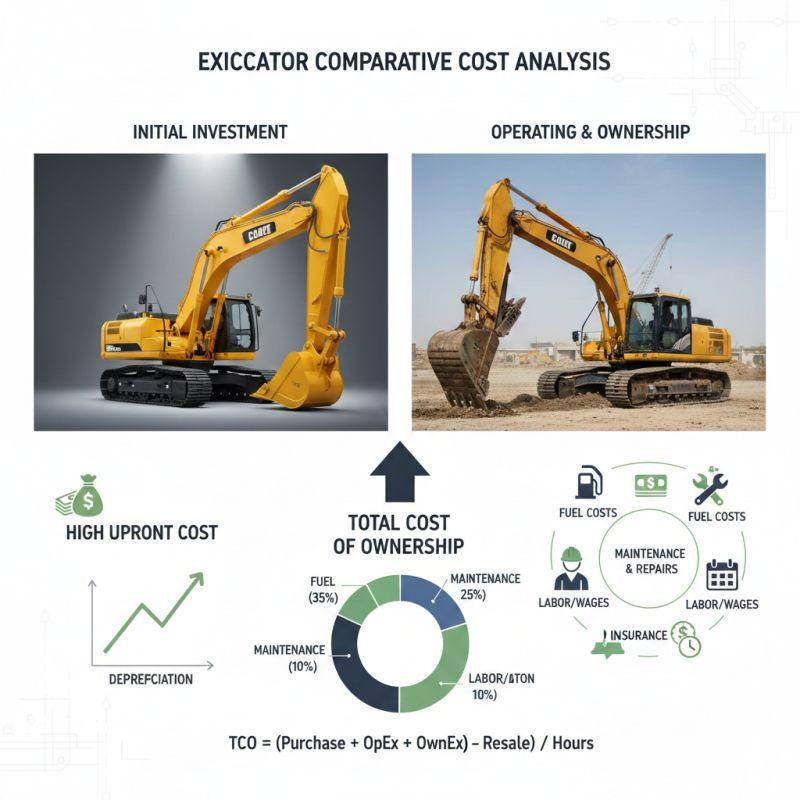
Equipment cost includes fuel, maintenance, and operation charges.
Engineers must consider machine productivity.
Proper planning helps in reducing equipment cost.
Preparation of Rate Analysis
Rate analysis is prepared by combining all cost components.
Engineers calculate total cost and divide it by unit quantity.
It can be prepared manually or using software.
Example of Rate Analysis
For example, rate analysis of concrete includes cost of materials, labor, and equipment.
Each component is calculated separately and then summed up.
This provides cost per cubic meter of concrete.
Role in Tendering and Billing
Rate analysis is used to prepare tender rates and evaluate bids.
It is also used in billing and cost verification.
Accurate rates ensure fair pricing.
Common Errors in Rate Analysis
Errors may occur due to incorrect quantities or outdated rates.
Engineers must update data regularly.
Verification is essential.
Integration with Estimation and Costing
Rate analysis is closely linked with estimation and costing.
Engineers must use it for accurate project planning.
Skills Required for Rate Analysis
Engineers need strong numerical and analytical skills.
Knowledge of materials and construction methods is essential.
Attention to detail improves accuracy.
Conclusion
Rate analysis is a key aspect of civil engineering that helps in determining the cost of construction activities.
For students and freshers, understanding material, labor, and equipment costs is crucial.
By combining technical knowledge with cost analysis skills, engineers can ensure efficient and economical project execution.


Comments