
Basics of Quality Control and Quality Assurance in Construction Standards Testing and Site Practices
- Anjali Regmi
- Apr 11
- 2 min read

Introduction to Quality Control and Quality Assurance
Quality control and quality assurance are essential components of civil engineering that ensure construction work meets specified standards and requirements.
Quality control focuses on inspection and testing, while quality assurance ensures proper processes are followed to maintain quality.
For students and freshers, understanding both concepts is crucial for delivering safe and durable structures.
Importance of Quality in Construction
Quality ensures safety, durability, and performance of structures.
Poor quality can lead to failures, repairs, and increased costs.
Engineers must maintain high standards throughout the project.
Difference Between Quality Control and Quality Assurance
Quality control involves checking materials and workmanship through tests and inspections.
Quality assurance focuses on planning and procedures to prevent defects.
Both work together to ensure overall quality.
Material Testing in Construction
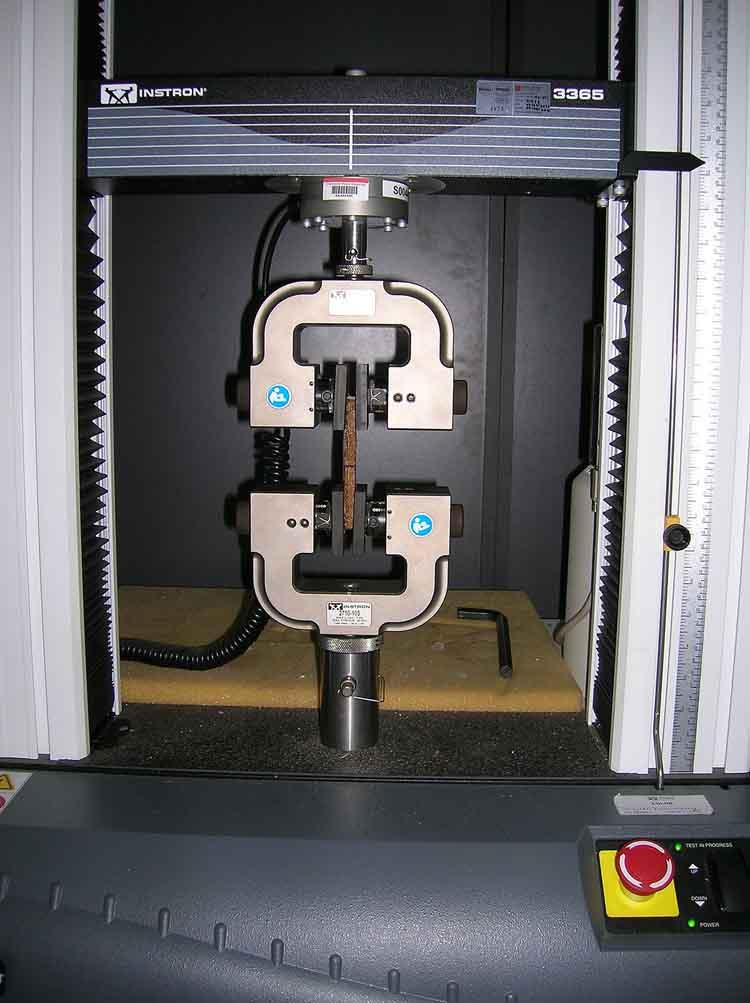
Material testing is a key part of quality control.
Tests are conducted on cement, concrete, steel, and soil.
These tests ensure that materials meet required standards.
Site Inspection and Supervision

Site inspection involves checking work during construction.
Engineers ensure proper execution as per drawings and specifications.
Regular supervision helps in maintaining quality.
Quality Standards and Codes
Construction quality is governed by standards and codes.
Engineers must follow these standards to ensure safety and reliability.
Compliance with codes is mandatory.
Documentation in Quality Management

Documentation includes test reports, inspection records, and checklists.
These records provide evidence of quality compliance.
Proper documentation is essential for audits.
Quality Control Procedures
Quality control procedures include testing, inspection, and corrective actions.
Engineers must identify defects and take corrective measures.
Continuous monitoring ensures consistency.
Common Quality Issues in Construction
Issues include poor workmanship, substandard materials, and improper curing.
These issues can affect structural performance.
Engineers must address them promptly.
Role of Engineers in Quality Management
Engineers are responsible for implementing quality systems and ensuring compliance.
They conduct inspections, review reports, and monitor processes.
Their role is critical for maintaining standards.
Integration of Theory and Field Practice
Quality management combines theoretical standards with practical site implementation.
Engineers must ensure that quality is maintained at every stage.
Skills Required for Quality Engineers
Engineers need attention to detail and knowledge of testing methods.
Analytical and problem solving skills are essential.
Communication skills help in coordinating with teams.
Conclusion
Quality control and quality assurance are essential for ensuring safe and durable construction.
For students and freshers, understanding testing, inspection, and standards is crucial.
By combining technical knowledge with quality management practices, engineers can deliver high quality construction projects and build a strong professional reputation.


Comments