
Basics of Precast and Prefabrication in Construction Methods Advantages and Site Implementation
- Anjali Regmi
- Mar 28
- 2 min read

Introduction to Precast and Prefabrication
Precast and prefabrication are modern construction techniques that involve manufacturing building components in a controlled environment and assembling them on site.
These methods are gaining popularity due to their efficiency, speed, and quality control.
For students and freshers, this topic connects construction technology with practical site execution and project management.
Concept of Precast Construction
Precast construction involves casting structural elements such as beams, slabs, columns, and panels in factories.
These elements are then transported to the site and assembled.
In theory, students learn about design and casting. On site, engineers manage installation and alignment.
Prefabrication and Modular Construction
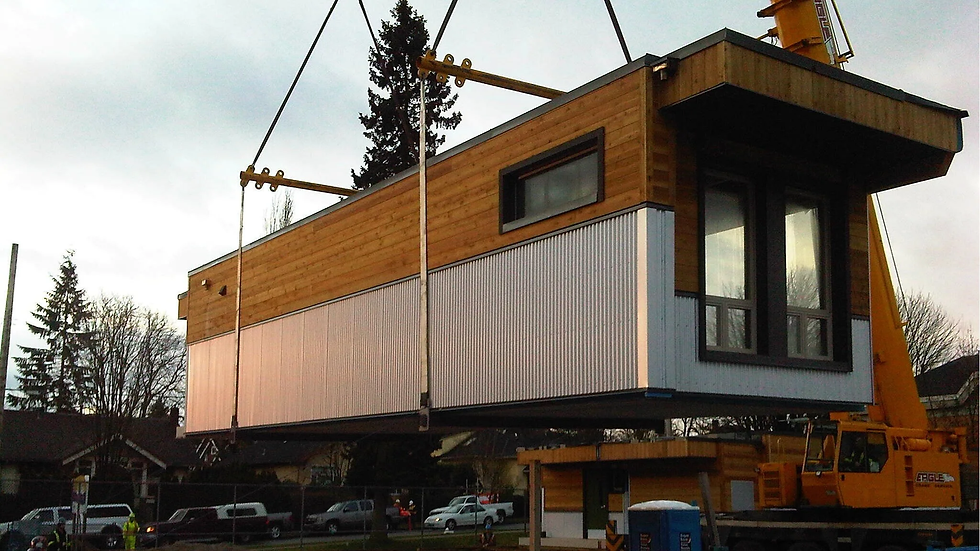
Prefabrication includes manufacturing components like walls, floors, and roofs off site.
Modular construction takes this further by producing entire building sections.
These modules are assembled on site to form complete structures.
This approach reduces construction time significantly.
Types of Precast Elements
Precast elements include beams, columns, slabs, wall panels, and staircases.
Each element is designed and manufactured according to project specifications.
Understanding these elements helps engineers plan construction efficiently.
Manufacturing Process of Precast Components
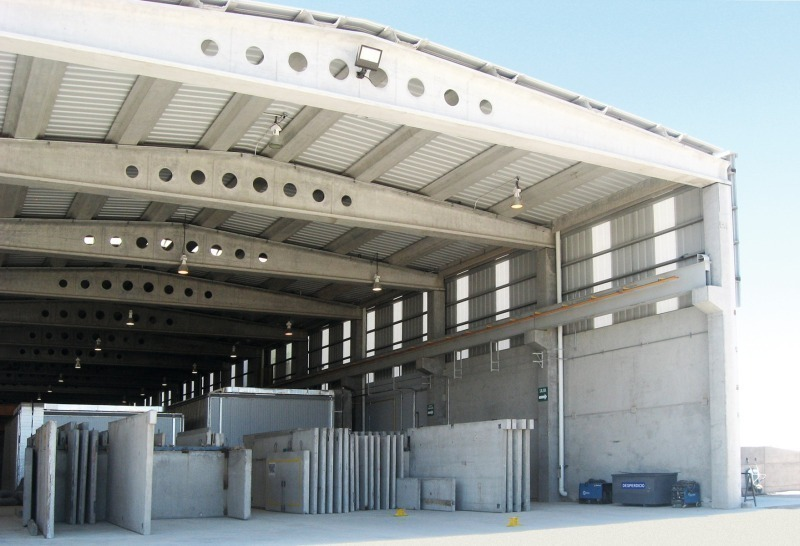
The manufacturing process involves preparing molds, placing reinforcement, pouring concrete, and curing.
Quality control is maintained in factory conditions, ensuring uniformity and strength.
Proper curing improves durability of components.
Transportation and Handling
Precast elements must be transported carefully from factory to site.
Handling requires cranes and specialized equipment to avoid damage.
Engineers must plan logistics to ensure safe and timely delivery.
Installation and Assembly on Site
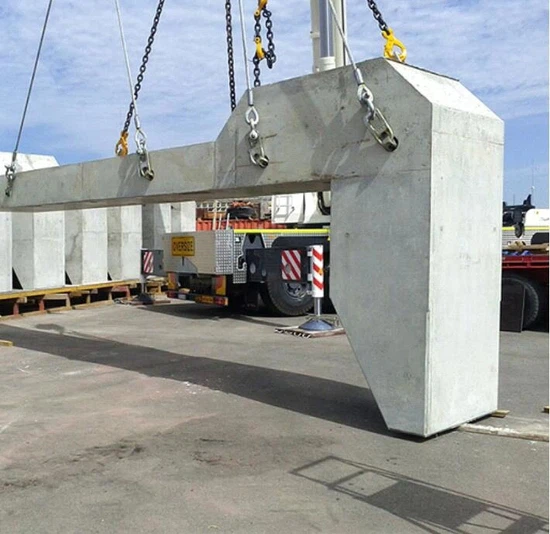
Installation involves placing components in position and connecting them properly.
Alignment and joint connections are critical for structural stability.
Engineers must supervise installation to ensure accuracy.
Advantages of Precast Construction
Precast construction offers several advantages.
It reduces construction time and improves quality due to controlled manufacturing.
It also minimizes waste and labor requirements.
These benefits make it suitable for large scale projects.
Limitations and Challenges
Despite its advantages, precast construction has challenges.
Transportation of large components can be difficult.
Initial setup costs are high, and skilled labor is required for installation.
Engineers must plan carefully to overcome these challenges.
Quality Control in Precast Construction
Quality control is easier in precast construction due to factory conditions.
However, on site inspection is also necessary to ensure proper installation.
Engineers must check alignment, joints, and connections.
Integration of Theory and Field Practice
Precast construction combines theoretical design with practical implementation.
Engineers must ensure that design specifications are followed during manufacturing and installation.
Proper coordination between factory and site is essential.
Skills Required for Precast Construction
Engineers need knowledge of structural design and construction techniques.
Planning and coordination skills are essential for managing logistics and installation.
Attention to detail ensures proper alignment and connections.
Conclusion
Precast and prefabrication are transforming modern construction by improving efficiency and quality.
For students and freshers, understanding these techniques is essential for working on advanced construction projects.
By combining technical knowledge with practical execution, engineers can successfully implement precast construction methods.


Comments