
Basics of Plumbing Engineering Water Supply Systems Drainage and Building Services
- Anjali Regmi
- Mar 28
- 2 min read

Introduction to Plumbing Engineering
Plumbing engineering is an essential part of civil engineering that deals with water supply, drainage, and sanitation systems in buildings. It ensures proper distribution of clean water and safe disposal of wastewater.
For students and freshers, this topic connects environmental engineering concepts with real building services and site execution.
Components of Water Supply System
A building water supply system includes sources, storage, distribution pipes, and fixtures.
Water is supplied from municipal sources or underground tanks and stored in overhead tanks.
From there, it is distributed through pipes to various fixtures like taps, showers, and sinks.
Proper design ensures adequate pressure and uninterrupted supply.
Types of Water Supply Systems
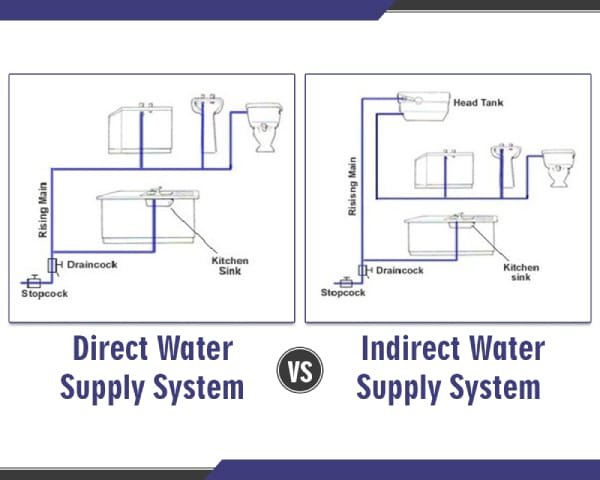
Water supply systems can be direct or indirect.
In direct systems, water is supplied directly from the main line.
In indirect systems, water is stored in tanks and then distributed.
Selection depends on building type and water availability.
Pipe Materials and Their Properties
Pipes are an important component of plumbing systems.
Common materials include PVC, CPVC, copper, and steel.
Each material has different properties such as durability, corrosion resistance, and cost.
Proper selection ensures long lasting performance.
Drainage and Wastewater System
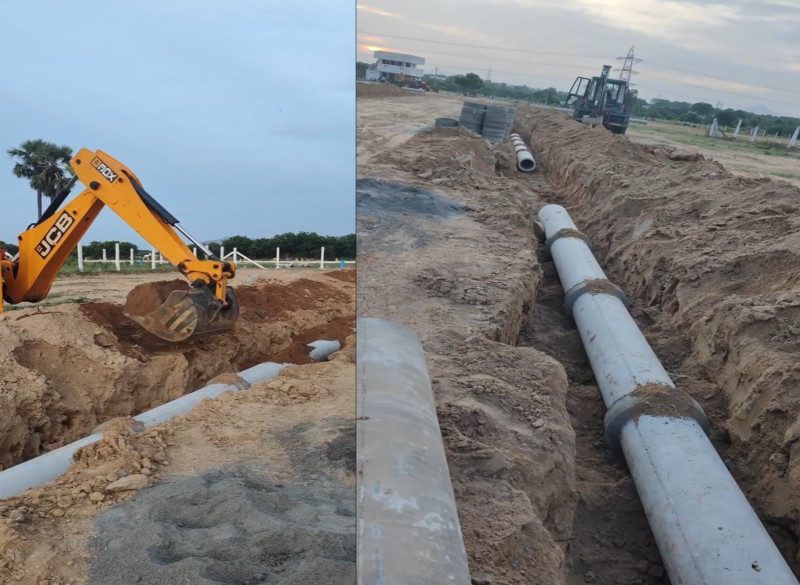
Drainage systems remove wastewater from buildings.
They include soil pipes, waste pipes, vent pipes, and drainage lines.
Proper slope and alignment are necessary to ensure smooth flow.
Poor drainage can lead to blockages and hygiene issues.
Plumbing Fixtures and Fittings
Fixtures include sinks, toilets, showers, and basins.
Fittings such as valves, joints, and connectors ensure proper flow and control.
Proper installation is necessary to avoid leakage and ensure efficiency.
Water Pressure and Flow Considerations
Water pressure plays a key role in plumbing systems.
Insufficient pressure can affect water supply, while excessive pressure can damage pipes.
Engineers must design systems to maintain optimal pressure.
Installation Process on Site

Plumbing installation involves laying pipes, fixing fixtures, and connecting systems.
It is usually done in stages along with construction activities.
Proper coordination with other services is essential to avoid conflicts.
Testing and Quality Control
Testing ensures that plumbing systems are leak proof and functioning properly.
Pressure tests and flow tests are conducted before final use.
Quality checks help in identifying and correcting issues early.
Common Plumbing Issues and Solutions
Common problems include leakage, blockage, and corrosion.
Proper maintenance and use of quality materials can prevent these issues.
Engineers must ensure correct design and installation to minimize problems.
Integration of Theory and Field Practice
Plumbing engineering combines theoretical knowledge with practical execution.
Concepts like flow and pressure are applied during design and installation.
Engineers must understand both aspects for effective system performance.
Skills Required for Plumbing Engineering
Engineers need knowledge of materials, flow systems, and installation techniques.
Attention to detail is essential for avoiding leaks and errors.
Coordination skills help in managing multiple services.
Conclusion
Plumbing engineering is a vital component of building construction and infrastructure.
For students and freshers, understanding water supply and drainage systems is essential for practical engineering.
By combining theoretical knowledge with site experience, engineers can design efficient and reliable plumbing systems.


Comments