
Basics of Irrigation Engineering Canal Systems Water Distribution and Agricultural Infrastructure
- Anjali Regmi
- Apr 7
- 2 min read

Introduction to Irrigation Engineering
Irrigation engineering is a branch of civil engineering that deals with the planning, design, and management of water resources for agricultural purposes.
It ensures adequate water supply to crops, improving agricultural productivity and food security.
For students and freshers, this subject combines hydraulic engineering with practical water management systems.
Importance of Irrigation
Irrigation plays a crucial role in agriculture, especially in regions with irregular rainfall.
It helps in maintaining soil moisture and improving crop yield.
Efficient irrigation systems support sustainable farming.
Types of Irrigation Systems

Irrigation systems can be classified into surface irrigation, sprinkler irrigation, drip irrigation, and subsurface irrigation.
Surface irrigation involves water flowing over fields.
Sprinkler systems distribute water like rainfall.
Drip irrigation delivers water directly to plant roots.
Each system has its advantages and applications.
Canal Irrigation System
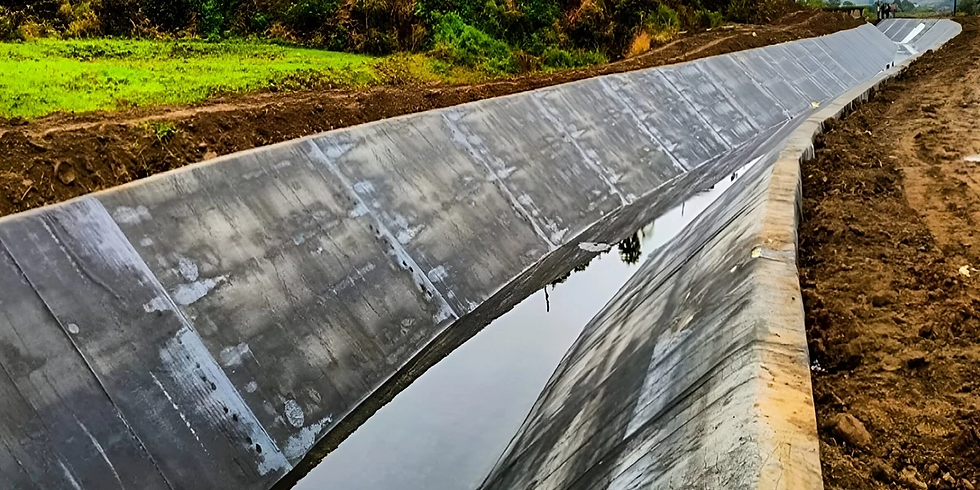
Canal irrigation is one of the most common methods.
Water is diverted from rivers through canals and distributed to fields.
The system includes main canals, distributaries, and field channels.
Components of Irrigation Structures

Irrigation structures include barrages, weirs, sluice gates, and regulators.
These structures control and distribute water efficiently.
Proper design ensures smooth operation.
Water Distribution and Management
Efficient water distribution is essential to avoid wastage.
Engineers must ensure equitable distribution among fields.
Modern systems use automation and monitoring for better management.
Soil Water Relationship
Understanding soil moisture and infiltration is important for irrigation planning.
Different soils have different water holding capacities.
Engineers must design systems accordingly.
Modern Irrigation Techniques

Modern techniques include automated irrigation and sensor based systems.
These systems improve efficiency and conserve water.
Technology plays a key role in modern irrigation.
Challenges in Irrigation Engineering
Challenges include water scarcity, uneven distribution, and maintenance of systems.
Engineers must develop sustainable solutions.
Integration of Theory and Field Practice
Irrigation engineering combines theoretical hydraulic concepts with practical field implementation.
Engineers must ensure efficient operation on site.
Skills Required for Irrigation Engineers
Engineers need knowledge of hydraulics and water management.
Planning and problem solving skills are essential.
Understanding of agricultural practices is also important.
Conclusion
Irrigation engineering is essential for sustainable agriculture and water management.
For students and freshers, understanding irrigation systems, canal design, and water distribution is crucial.
By combining technical knowledge with practical application, engineers can contribute to efficient and sustainable irrigation systems.


Comments