
Basics of Infrastructure Development Mega Projects Planning Execution and Economic Impact
- Anjali Regmi
- Apr 5
- 2 min read

Introduction to Infrastructure Development
Infrastructure development is a key driver of economic growth and societal progress. It includes the construction of roads, bridges, airports, railways, and urban facilities that support daily life and industrial activities.
For civil engineering students and freshers, understanding infrastructure development provides insight into large scale project planning and execution.
Importance of Infrastructure in Economic Growth
Infrastructure plays a vital role in improving connectivity and boosting economic activities.
Efficient transportation systems reduce costs and improve trade.
Well developed infrastructure enhances quality of life and attracts investment.
Types of Infrastructure Projects
Infrastructure projects can be classified into transportation, urban, energy, and social infrastructure.
Transportation includes roads, railways, and airports.
Urban infrastructure includes water supply and drainage systems.
Energy infrastructure includes power generation and distribution.
Planning of Infrastructure Projects
Planning involves feasibility studies, site selection, and design.
Engineers must consider technical, environmental, and economic factors.
Proper planning ensures successful project execution.
Funding and Public Private Partnership

Infrastructure projects require significant investment.
Funding may come from government, private sector, or public private partnerships.
PPP models help in sharing risk and resources.
Execution of Mega Projects

Execution involves coordination of multiple activities, resources, and teams.
Engineers must manage construction, quality, and safety.
Timely execution is critical for project success.
Challenges in Infrastructure Development
Infrastructure projects face challenges such as land acquisition, environmental impact, and cost overruns.
Delays and coordination issues can also affect progress.
Engineers must address these challenges effectively.
Role of Technology in Infrastructure Projects
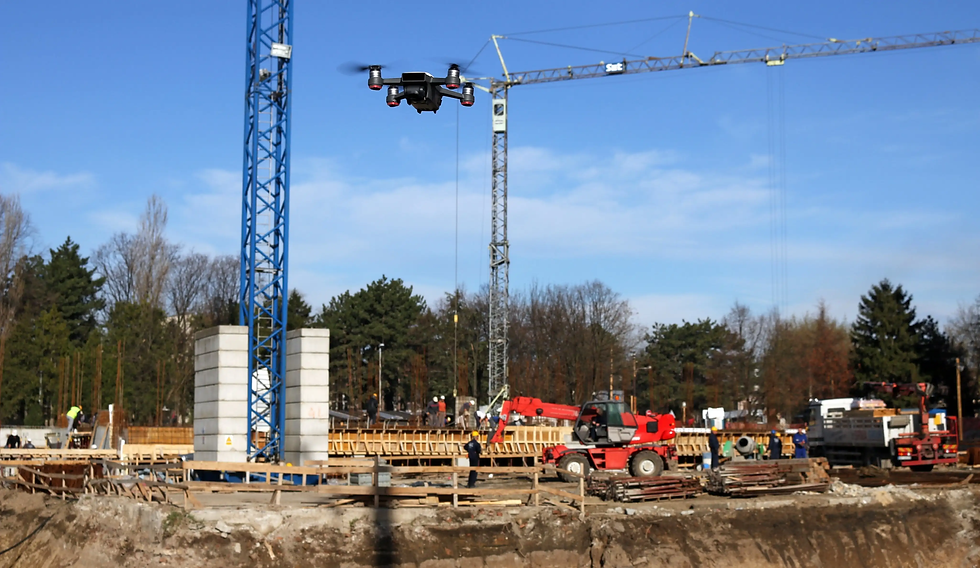
Modern technologies such as BIM, drones, and sensors are used in infrastructure projects.
These tools improve planning, monitoring, and efficiency.
Technology plays a key role in managing large projects.
Environmental and Social Impact
Infrastructure development can impact the environment and communities.
Engineers must ensure sustainable practices and minimize negative effects.
Social considerations such as rehabilitation are important.
Integration of Theory and Field Practice
Infrastructure development combines theoretical knowledge with large scale practical execution.
Engineers must apply concepts accurately on complex projects.
Skills Required for Infrastructure Engineers
Engineers need project management, technical, and coordination skills.
Problem solving and decision making are essential for handling challenges.
Leadership skills help in managing teams.
Future of Infrastructure Development
The future of infrastructure includes smart systems, sustainable construction, and advanced technologies.
Engineers must adapt to these trends for better opportunities.
Conclusion
Infrastructure development is essential for economic growth and societal progress.
For students and freshers, understanding planning, execution, and challenges of mega projects is crucial.
By combining technical knowledge with practical experience, engineers can contribute to building strong and sustainable infrastructure.


Comments