
Basics of Industrial Construction Plants Layout Heavy Structures and Specialized Engineering Practices
- Anjali Regmi
- Apr 9
- 2 min read

Introduction to Industrial Construction
Industrial construction involves the design and construction of facilities such as factories, power plants, refineries, and manufacturing units.
These projects are more complex than residential or commercial buildings due to heavy loads, specialized equipment, and strict operational requirements.
For students and freshers, this topic connects structural engineering with practical industrial applications.
Importance of Industrial Infrastructure
Industrial construction supports economic growth and production activities.
It enables manufacturing, energy generation, and processing industries.
Efficient industrial infrastructure improves productivity and sustainability.
Types of Industrial Structures
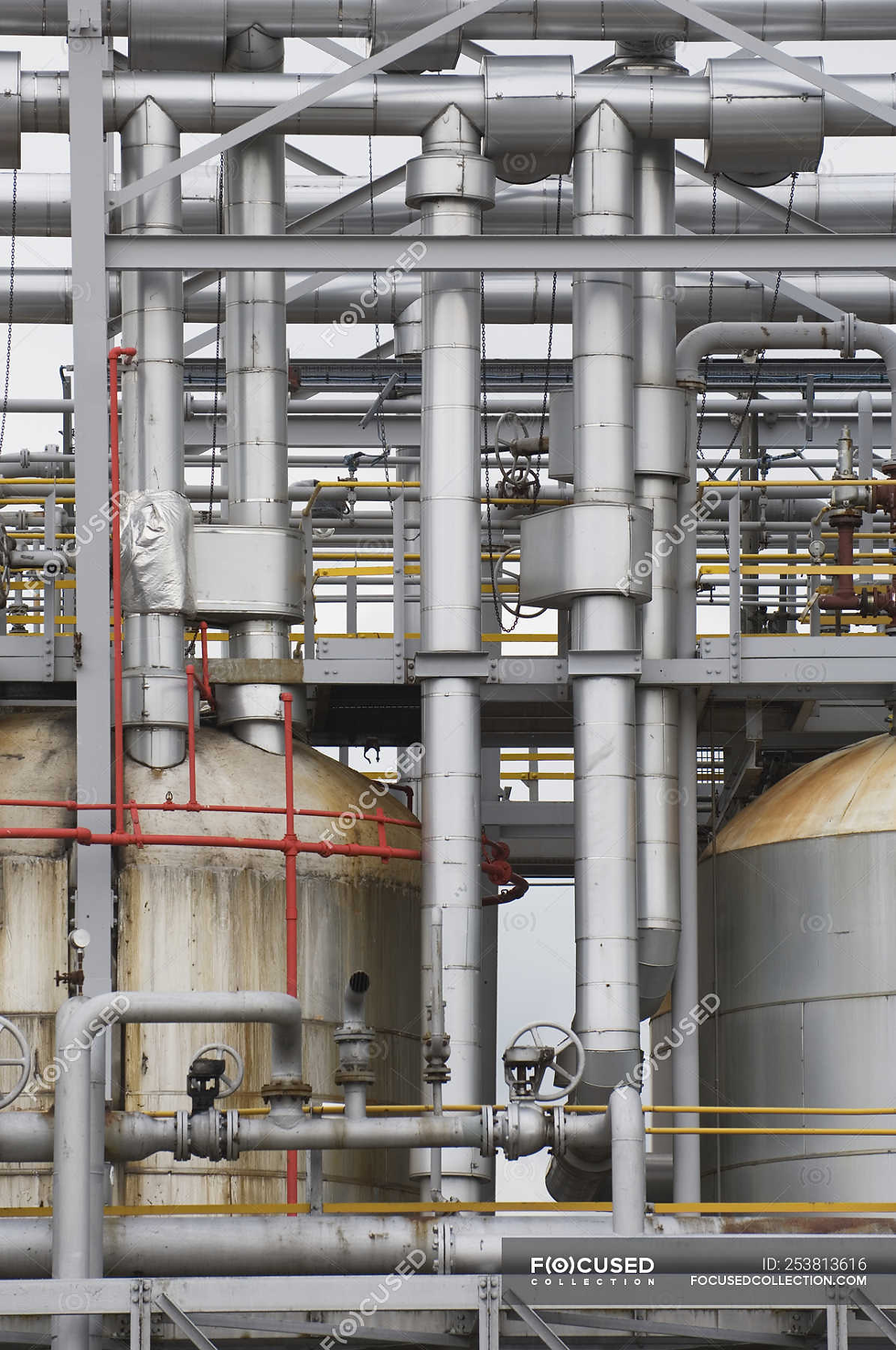
Industrial structures include factories, refineries, power plants, and warehouses.
Each type has specific design and functional requirements.
Engineers must understand these requirements.
Layout Planning of Industrial Plants

Layout planning is crucial for efficient operation of industrial facilities.
It involves arranging machinery, storage, and utilities for smooth workflow.
Proper layout reduces cost and improves productivity.
Heavy Foundations and Structural Design
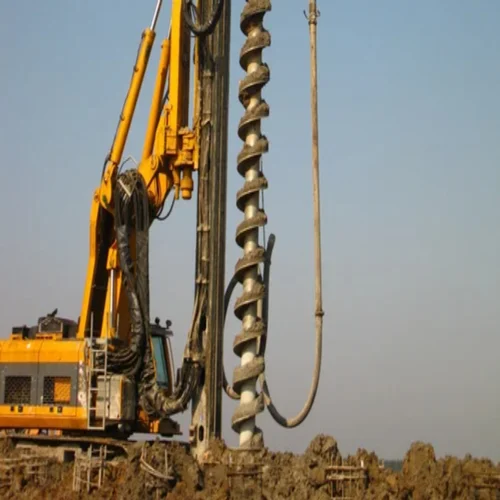
Industrial structures often require heavy foundations to support machinery and equipment.
Design must consider dynamic loads and vibrations.
Engineers must ensure stability and durability.
Materials Used in Industrial Construction
Industrial construction uses materials such as steel, reinforced concrete, and composite materials.
These materials must withstand heavy loads and harsh conditions.
Corrosion resistance is also important.
Construction Techniques in Industrial Projects
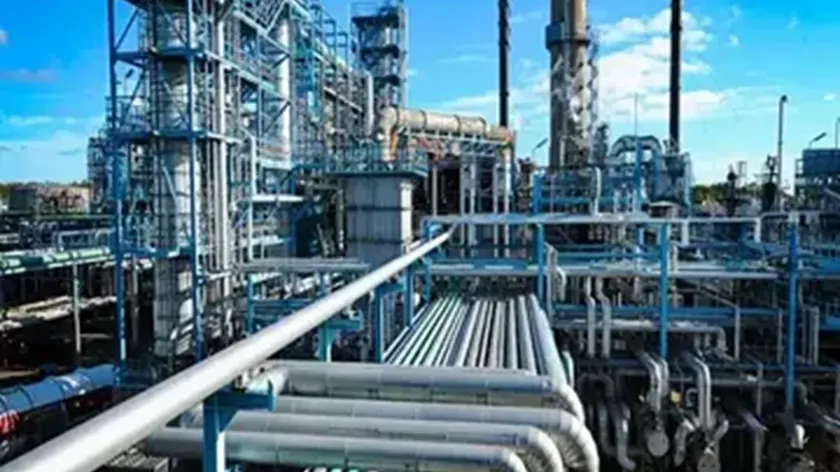
Construction involves steel erection, equipment installation, and piping systems.
Modular construction is often used to improve efficiency.
Engineers must coordinate multiple activities.
Safety and Quality in Industrial Construction
Safety is critical due to heavy equipment and hazardous environments.
Engineers must follow strict safety protocols and quality standards.
Regular inspection ensures compliance.
Challenges in Industrial Construction
Challenges include complex design, high cost, and coordination of multiple systems.
Engineers must manage these challenges effectively.
Integration of Theory and Field Practice
Industrial construction combines theoretical design with practical execution.
Engineers must ensure accurate implementation on site.
Skills Required for Industrial Engineers
Engineers need knowledge of structural design and industrial processes.
Coordination and planning skills are essential.
Problem solving skills help in handling complex projects.
Conclusion
Industrial construction is a complex and essential field in civil engineering.
For students and freshers, understanding plant layout, heavy structures, and construction techniques is crucial.
By combining technical knowledge with practical skills, engineers can successfully execute industrial projects and contribute to economic development.


Comments