
Basics of Hydrology and Irrigation Engineering Rainfall Runoff and Water Resource Management
- Anjali Regmi
- Mar 26
- 3 min read

Introduction to Hydrology and Irrigation Engineering
Hydrology and irrigation engineering are essential branches of civil engineering that deal with the movement, distribution, and management of water resources. These fields play a crucial role in agriculture, flood control, and sustainable development.
For students and freshers, this subject combines scientific theory with real world applications such as water supply systems, irrigation networks, and watershed management.
Hydrological Cycle and Its Importance
The hydrological cycle explains the continuous movement of water through processes such as evaporation, condensation, precipitation, and runoff.
Understanding this cycle helps engineers predict water availability and manage resources effectively.
In theory, it is studied through diagrams and equations. In practice, it guides planning of water systems and infrastructure.
Rainfall Measurement and Analysis
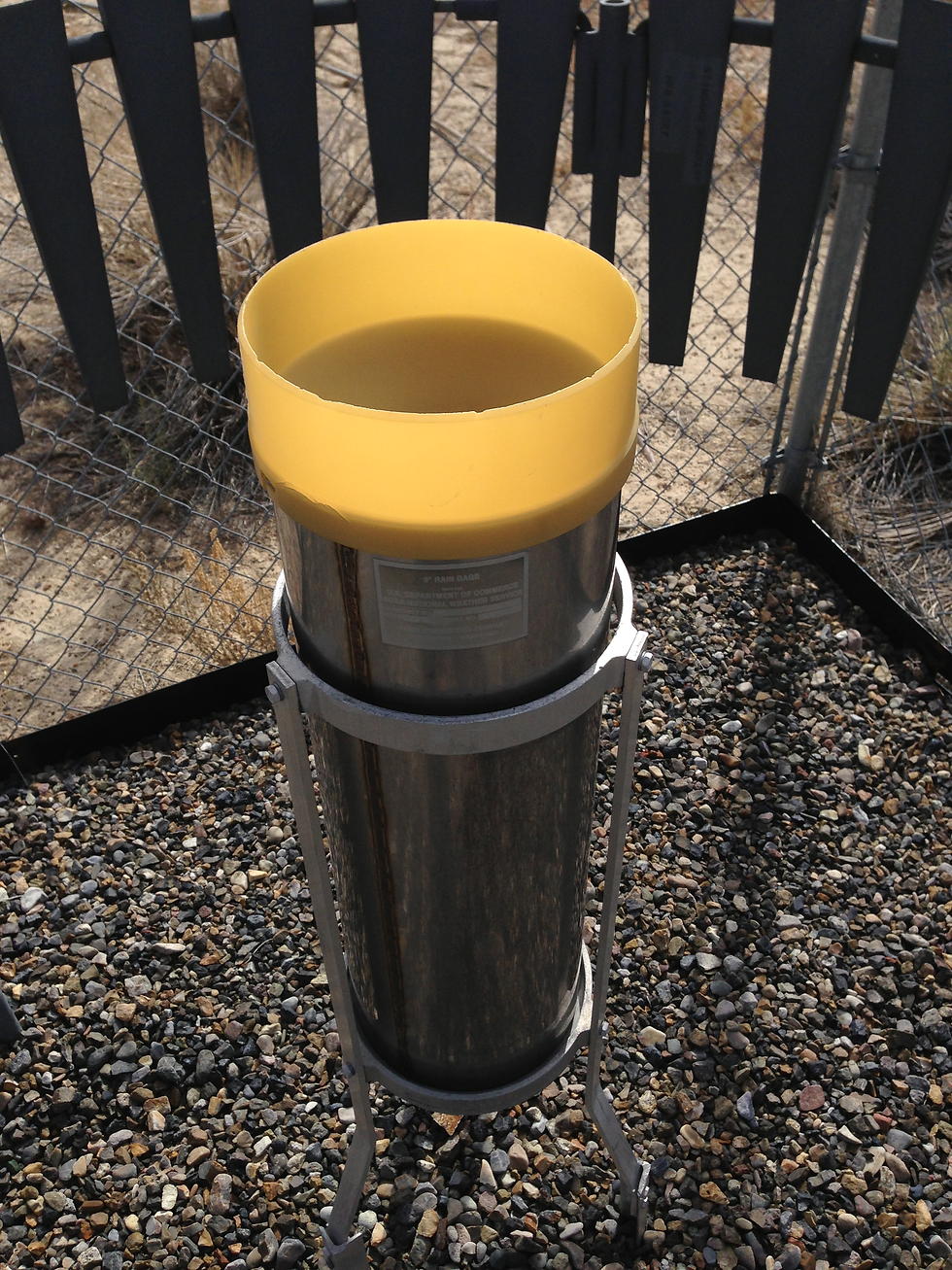
Rainfall is a primary input in hydrological studies.
It is measured using rain gauges and analyzed using parameters such as intensity, duration, and frequency.
These factors help in designing drainage systems, dams, and irrigation projects.
Accurate rainfall data is essential for effective planning.
Runoff and Watershed Management
Runoff refers to the portion of rainfall that flows over the ground surface.
It depends on factors such as soil type, slope, and vegetation.
Watershed management involves controlling and utilizing runoff efficiently.
In practice, engineers design systems to reduce flooding and conserve water.
Irrigation Systems and Their Types
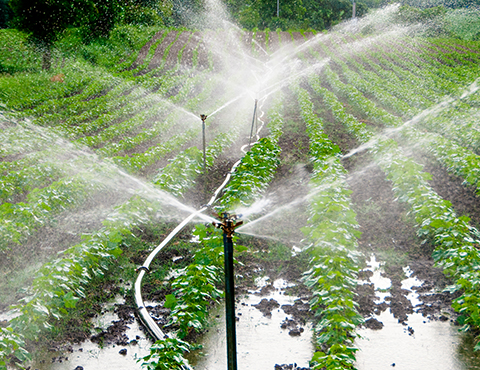
Irrigation is the artificial application of water to crops.
Different types of irrigation systems include surface irrigation, sprinkler irrigation, and drip irrigation.
Each system has its advantages and is selected based on soil conditions, crop type, and water availability.
Efficient irrigation improves agricultural productivity.
Canal Design and Water Distribution
Canals are used to transport water from sources to agricultural fields.
Designing canals involves calculating flow capacity, slope, and lining requirements.
Proper design ensures efficient water distribution and reduces losses.
On site, engineers must monitor construction and maintenance of canals.
Groundwater Hydrology
Groundwater is an important source of water for irrigation and domestic use.
Engineers study aquifers, water table levels, and recharge processes.
Proper management of groundwater is essential to prevent depletion and maintain sustainability.
Flood Control and Management
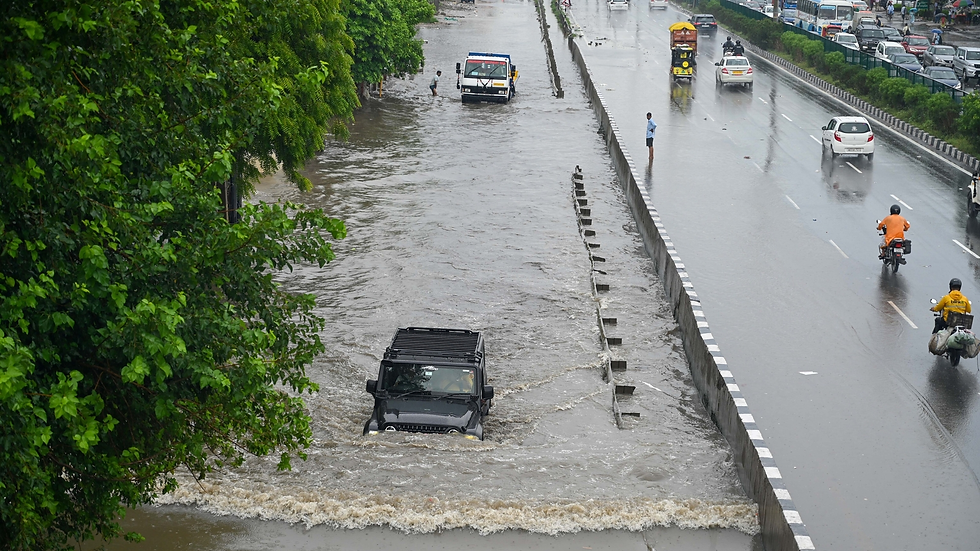
Floods are natural disasters that can cause significant damage.
Engineers design structures such as dams, embankments, and drainage systems to control floods.
Flood management requires accurate prediction and planning to minimize risks.
Water Resource Planning and Sustainability
Water resources must be managed sustainably to meet future demands.
This includes conservation, efficient usage, and reuse of water.
Engineers play a key role in planning systems that balance demand and supply.
Challenges in Hydrology and Irrigation Engineering
Real world challenges include climate change, irregular rainfall, and increasing water demand.
For example, drought conditions can affect irrigation systems, while excessive rainfall can cause flooding.
Engineers must develop adaptive solutions to handle these challenges.
Integration of Theory and Field Practice
Hydrology and irrigation engineering combine theoretical analysis with practical implementation.
Concepts like rainfall analysis and runoff calculation are applied in designing water systems.
Engineers must understand both aspects to manage water resources effectively.
Skills Required for Water Resource Engineers
Engineers need analytical skills to study data and predict water behavior.
Knowledge of environmental factors and construction methods is essential.
Problem solving and planning skills help in managing water resources efficiently.
Conclusion
Hydrology and irrigation engineering are vital for sustainable development and efficient water management.
For students and freshers, understanding these concepts is essential for addressing real world challenges related to water resources.
By combining theoretical knowledge with practical application, engineers can contribute to effective water management and agricultural development.


Comments