
Basics of Environmental Engineering Water Treatment Waste Management and Pollution Control
- Anjali Regmi
- Apr 1
- 2 min read

Introduction to Environmental Engineering
Environmental engineering is a vital branch of civil engineering that focuses on protecting the environment and public health. It involves the design and management of systems for water supply, wastewater treatment, solid waste management, and pollution control.
For students and freshers, this field integrates science, engineering, and sustainability.
Importance of Environmental Engineering
Environmental engineering helps in maintaining clean water, air, and land.
It ensures safe disposal of waste and reduces environmental pollution.
Engineers play a key role in improving quality of life and protecting natural resources.
Water Treatment Process
Water treatment involves removing impurities from raw water to make it safe for drinking.
The process includes coagulation, sedimentation, filtration, and disinfection.
Each stage is designed to remove specific contaminants.
Wastewater Treatment and Sewage Systems
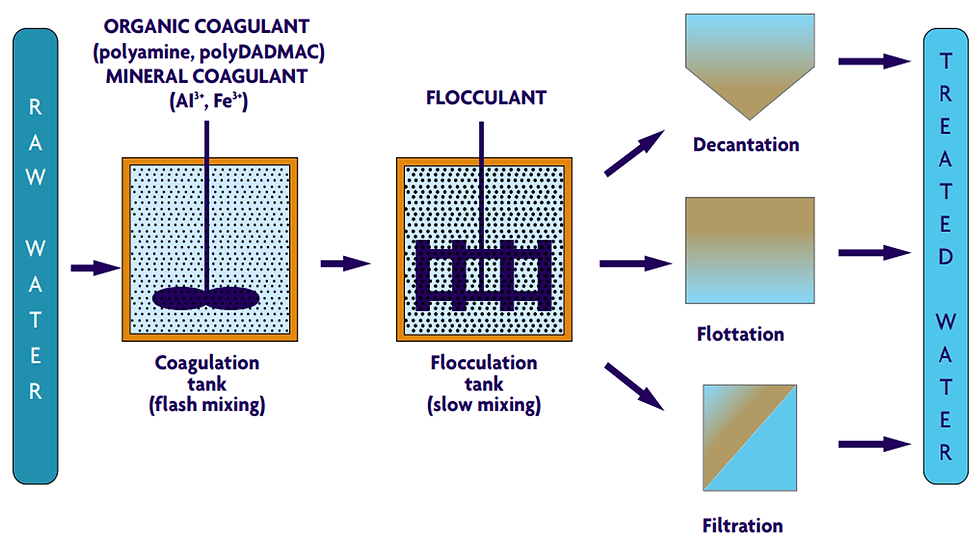
Wastewater treatment is necessary to remove pollutants before releasing water into the environment.
Processes include primary, secondary, and tertiary treatment.
Proper sewage systems ensure safe disposal and prevent contamination.
Solid Waste Management
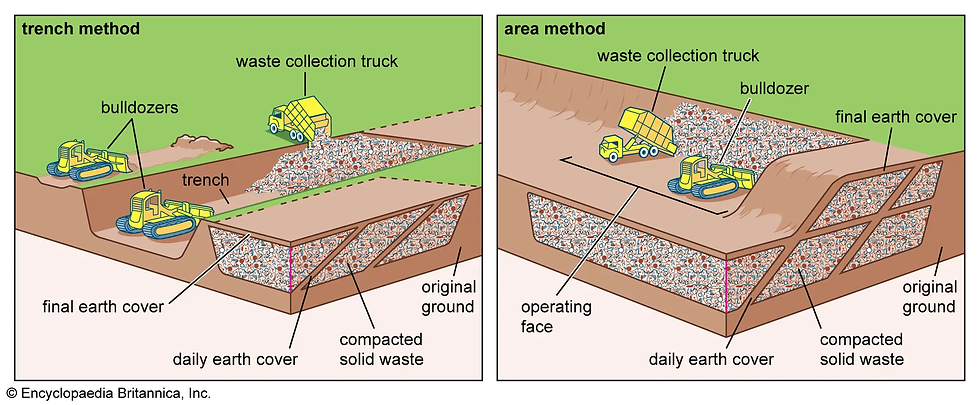
Solid waste management involves collection, segregation, recycling, and disposal of waste.
Proper management reduces environmental impact and promotes sustainability.
Recycling and composting are important practices.
Air Pollution Control

Air pollution control involves reducing harmful emissions from industries and vehicles.
Technologies such as filters, scrubbers, and electrostatic precipitators are used.
Monitoring air quality is essential for environmental protection.
Environmental Impact Assessment
Environmental Impact Assessment is a process used to evaluate the environmental effects of projects.
It helps in identifying potential impacts and planning mitigation measures.
Engineers must consider environmental factors during project planning.
Sustainable Wastewater and Water Reuse
Reuse of treated water is an important aspect of sustainability.
Treated wastewater can be used for irrigation and industrial purposes.
This helps in conserving water resources.
Challenges in Environmental Engineering
Environmental engineering faces challenges such as increasing pollution, population growth, and resource depletion.
Engineers must develop innovative solutions to address these issues.
Integration of Theory and Field Practice
Environmental engineering combines theoretical knowledge with practical implementation in treatment plants and systems.
Engineers must ensure proper operation and maintenance of systems.
Skills Required for Environmental Engineers
Engineers need knowledge of chemistry, biology, and engineering principles.
Analytical and problem solving skills are essential.
Awareness of environmental regulations is also important.
Conclusion
Environmental engineering is essential for sustainable development and protection of natural resources.
For students and freshers, understanding water treatment, waste management, and pollution control is crucial.
By combining technical knowledge with environmental awareness, engineers can contribute to a cleaner and healthier world.


Comments