
Basics of Earthquake Engineering Seismic Forces Structural Response and Design Strategies
- Anjali Regmi
- Apr 7
- 2 min read

Introduction to Earthquake Engineering
Earthquake engineering is a specialized field of civil engineering that focuses on designing structures to resist seismic forces. It aims to minimize damage and ensure safety during earthquakes.
For students and freshers, this topic connects structural analysis with real world disaster mitigation.
Nature of Earthquakes and Seismic Waves
Earthquakes occur due to sudden release of energy in the earth’s crust.
This energy travels in the form of seismic waves.
These waves cause ground shaking, which affects structures.
Types of Seismic Waves
Seismic waves are classified into primary waves, secondary waves, and surface waves.
Primary waves travel fastest, while surface waves cause maximum damage.
Understanding these waves helps in designing safer structures.
Effects of Earthquakes on Structures

Earthquakes cause lateral forces on structures.
These forces can lead to cracks, deformation, or collapse.
Proper design is required to resist these forces.
Seismic Design Principles

Seismic design focuses on strength, ductility, and energy dissipation.
Structures should be able to absorb and dissipate energy.
Design strategies include shear walls, bracing, and base isolation.
Structural Response to Earthquakes
Structures respond dynamically to seismic forces.
Concepts such as natural frequency, damping, and resonance are important.
Engineers must analyze these factors for safe design.
Earthquake Resistant Construction Techniques
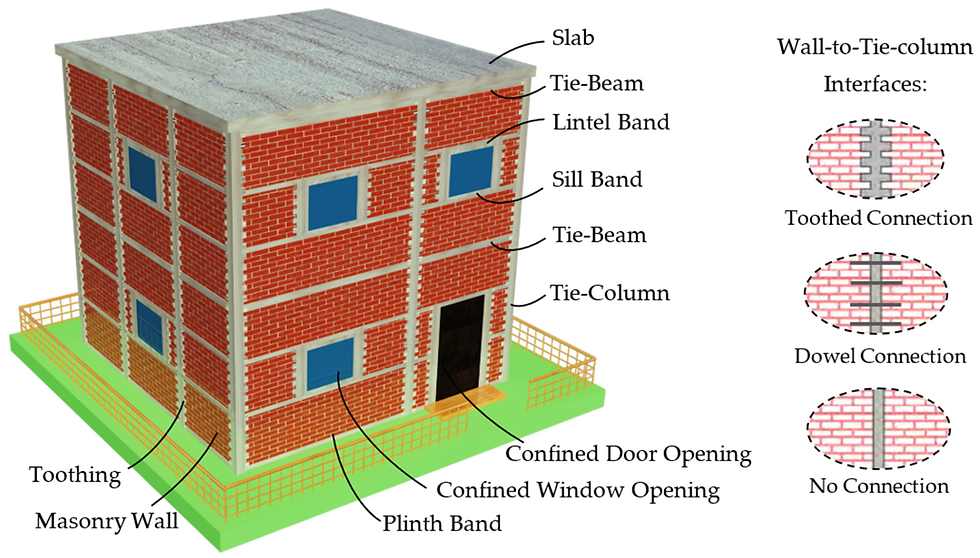
Techniques include proper reinforcement detailing, use of shear walls, and lightweight construction.
Retrofitting is used to strengthen existing structures.
Engineers must ensure proper implementation.
Seismic Zoning and Codes
Regions are classified into seismic zones based on earthquake risk.
Design codes provide guidelines for safe construction.
Engineers must follow these codes.
Challenges in Earthquake Engineering
Challenges include predicting earthquakes and designing for extreme conditions.
Engineers must consider uncertainties in seismic behavior.
Integration of Theory and Field Practice
Earthquake engineering combines theoretical analysis with practical design and construction.
Engineers must ensure that seismic design principles are applied on site.
Skills Required for Earthquake Engineers
Engineers need strong analytical and design skills.
Knowledge of structural dynamics is essential.
Problem solving skills help in handling complex situations.
Conclusion
Earthquake engineering is essential for designing safe and resilient structures in seismic regions.
For students and freshers, understanding seismic forces, structural response, and design strategies is crucial.
By combining theoretical knowledge with practical application, engineers can reduce risks and ensure safety during earthquakes.


Comments