
Basics of Earthquake Engineering Seismic Design Principles and Structural Safety
- Anjali Regmi
- Mar 26
- 3 min read

Introduction to Earthquake Engineering
Earthquake engineering is a critical branch of civil engineering that focuses on designing structures capable of withstanding seismic forces. In regions prone to earthquakes, proper design and construction practices are essential to prevent loss of life and property.
For students and freshers, this topic combines structural engineering principles with dynamic analysis and real world safety considerations.
Basics of Earthquakes and Seismic Waves
Earthquakes occur due to sudden release of energy within the earth’s crust, generating seismic waves.
These waves travel through the ground and cause vibrations that affect structures.
Primary waves, secondary waves, and surface waves have different characteristics and impact structures differently.
Understanding these waves helps engineers design safer buildings.
Effects of Earthquakes on Structures
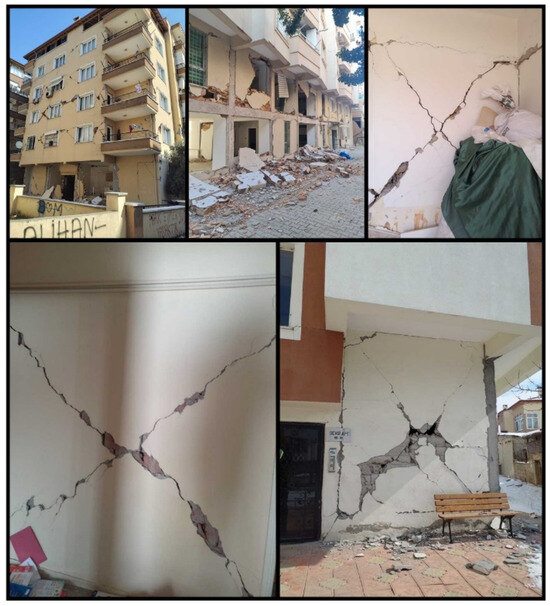
Earthquakes apply dynamic forces on structures, causing shaking and deformation.
Buildings may experience cracks, tilting, or collapse depending on their design and construction quality.
Irregular structures and weak connections are more vulnerable to damage.
Seismic Design Principles
Seismic design aims to ensure that structures can resist earthquake forces without collapsing.
Key principles include flexibility, ductility, and energy dissipation.
Structures should be able to absorb and release energy without sudden failure.
Proper design reduces damage and increases safety.
Load Considerations in Seismic Design
Seismic loads are lateral forces acting on structures.
These loads depend on factors such as building height, mass, and location.
Engineers calculate base shear and distribute forces across the structure.
Accurate load estimation is essential for safe design.
Structural Systems for Earthquake Resistance

Different structural systems are used to resist earthquake forces.
Shear walls provide stiffness and strength.
Braced frames help in resisting lateral loads.
Moment resisting frames allow flexibility and energy absorption.
Base isolation systems reduce the impact of ground motion on structures.
Ductility and Energy Dissipation
Ductility is the ability of a structure to undergo deformation without failure.
In earthquake engineering, ductile structures perform better as they can absorb energy.
Proper detailing of reinforcement ensures ductility in concrete structures.
Importance of Structural Regularity
Regular and symmetrical structures perform better during earthquakes.
Irregular shapes can cause uneven distribution of forces, leading to damage.
Engineers must design structures with balanced geometry to improve performance.
Construction Practices for Seismic Safety

Proper construction practices are essential for earthquake resistance.
Reinforcement detailing, strong connections, and quality materials improve performance.
On site, engineers must ensure that construction follows design specifications accurately.
Retrofitting and Strengthening of Structures
Existing structures can be strengthened to improve earthquake resistance.
Techniques include adding shear walls, steel bracing, and base isolation systems.
Retrofitting helps in reducing risk in older buildings.
Challenges in Earthquake Engineering
Earthquake prediction is difficult, making design and preparedness crucial.
Engineers must design structures to withstand uncertain and dynamic forces.
Balancing safety with cost is also a challenge in seismic design.
Integration of Theory and Field Practice
Earthquake engineering combines theoretical analysis with practical construction techniques.
Concepts like seismic loads and ductility are applied in design and execution.
Engineers must ensure that theoretical principles are implemented correctly on site.
Skills Required for Earthquake Engineers
Engineers need strong understanding of structural dynamics and materials.
Analytical and problem solving skills are essential for designing safe structures.
Attention to detail is critical in ensuring proper construction practices.
Conclusion
Earthquake engineering is essential for ensuring the safety of structures in seismic regions.
For students and freshers, understanding seismic principles and construction practices is crucial.
By combining theoretical knowledge with practical implementation, engineers can design structures that protect lives and withstand earthquakes effectively.


Comments