
Basics of Dams and Reservoir Engineering Types Design Principles and Construction Practices
- Anjali Regmi
- Mar 27
- 2 min read

Introduction to Dams and Reservoir Engineering
Dams and reservoirs are major civil engineering structures used for water storage, irrigation, flood control, and power generation. They play a crucial role in managing water resources and supporting economic development.
For students and freshers, this topic integrates structural engineering, hydrology, and construction techniques.
Purpose and Functions of Dams
Dams are constructed to store water and regulate its flow.
They help in irrigation by supplying water to agricultural fields.
They are used for generating hydroelectric power and controlling floods.
Reservoirs created by dams store water for various uses.
Types of Dams
Dams are classified based on their structure and materials.
Gravity dams rely on their weight to resist water pressure.
Arch dams transfer loads to the valley sides through their curved shape.
Earth dams are made of compacted soil and are widely used.
Buttress dams use supports to reduce material usage.
Components of a Dam
A dam consists of several components including the main body, spillway, intake structures, and foundation.
The spillway allows excess water to pass safely.
Intake structures control water flow for various purposes.
Each component must be designed carefully for safe operation.
Forces Acting on Dams
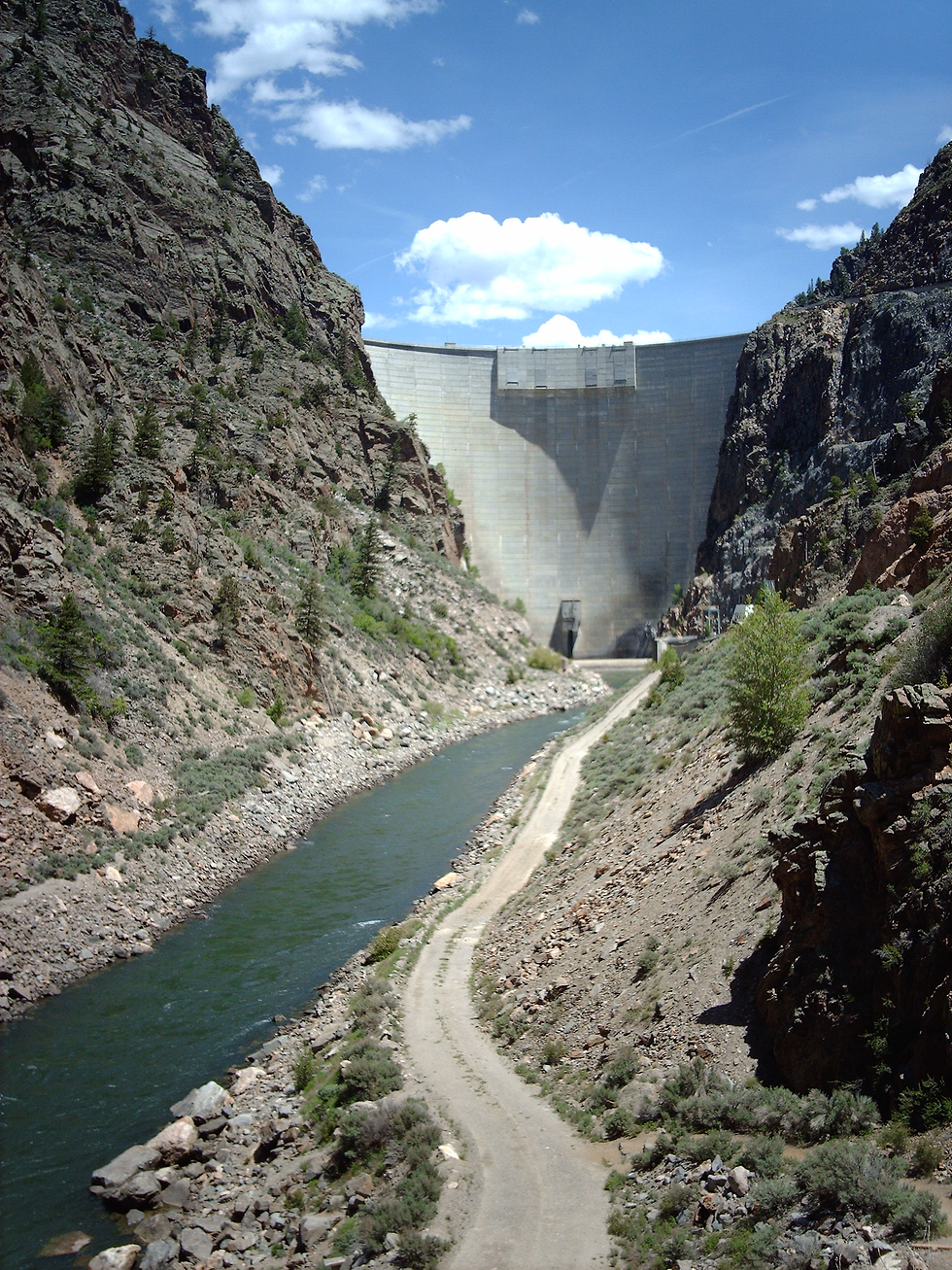
Dams are subjected to various forces such as water pressure, uplift pressure, and seismic forces.
Engineers must analyze these forces to ensure stability against sliding, overturning, and structural failure.
Accurate analysis is essential for safe design.
Spillways and Energy Dissipation
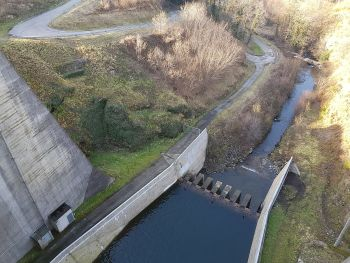
Spillways are essential for controlling water levels in reservoirs.
They allow excess water to flow out safely without damaging the dam.
Energy dissipation structures reduce the impact of flowing water and prevent erosion.
Materials Used in Dam Construction
Dams are constructed using materials such as concrete, earth, and rock.
The choice of material depends on site conditions, availability, and design requirements.
Proper selection ensures strength and durability.
Construction Techniques for Dams

Dam construction involves stages such as site preparation, foundation treatment, and material placement.
Concrete dams require careful pouring and curing, while earth dams require proper compaction.
Engineers must monitor construction closely to ensure quality.
Reservoir Planning and Management
Reservoirs store water for various uses such as irrigation, drinking water, and power generation.
Proper planning ensures efficient use of water resources.
Engineers must manage water levels and distribution effectively.
Challenges in Dam Engineering
Dam projects face challenges such as environmental impact, high costs, and complex design requirements.
For example, displacement of people and ecological changes must be considered.
Engineers must balance development with sustainability.
Integration of Theory and Field Practice
Dam engineering combines theoretical analysis with practical construction techniques.
Concepts like water pressure and structural stability are applied on site.
Engineers must ensure accurate implementation of design.
Skills Required for Dam Engineers
Engineers need strong analytical skills to design stable structures.
Knowledge of hydrology and materials is essential.
Problem solving and decision making skills help in handling complex projects.
Conclusion
Dams and reservoirs are vital for water resource management and infrastructure development.
For students and freshers, understanding dam types, design principles, and construction practices is essential.
By combining theoretical knowledge with practical experience, engineers can design safe and efficient water storage systems.


Comments