
Basics of Construction Project Documentation Drawings Reports Records and Site Communication
- Anjali Regmi
- Apr 9
- 2 min read

Introduction to Construction Documentation
Construction project documentation is an essential part of civil engineering that involves recording, managing, and communicating all project related information.
It includes drawings, reports, records, and correspondence required for smooth project execution.
For students and freshers, understanding documentation is crucial for professional practice and site management.
Importance of Documentation in Construction
Documentation ensures transparency and accountability in projects.
It helps in tracking progress, managing resources, and resolving disputes.
Proper documentation is also required for legal and contractual purposes.
Types of Construction Drawings
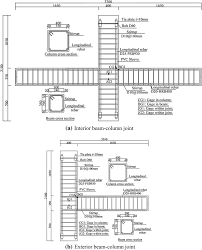
Construction drawings include architectural, structural, and MEP drawings.
Architectural drawings show layout and design.
Structural drawings show reinforcement and load bearing elements.
MEP drawings show services integration.
Shop drawings provide detailed execution information.
Site Records and Reports
Site records include daily reports, material records, and progress reports.
Engineers maintain logs of activities, labor, and materials.
These records help in monitoring project performance.
Bill of Quantities and Contract Documents
BOQ and contract documents are key parts of project documentation.
They define scope, quantities, and payment terms.
Engineers must ensure that documentation matches actual work.
Communication in Construction Projects
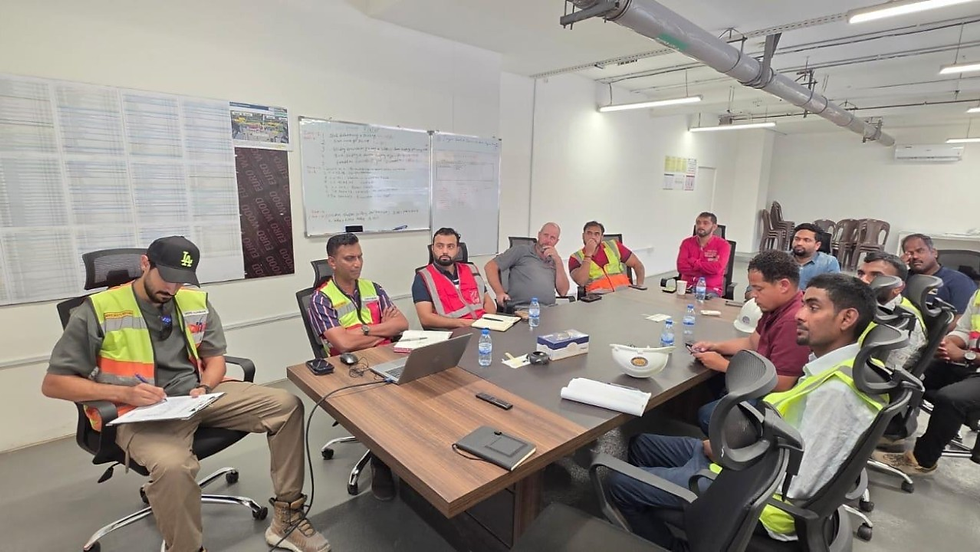
Effective communication is essential for project success.
Engineers must coordinate with clients, contractors, and workers.
Clear communication reduces errors and delays.
Digital Documentation and Software

Modern projects use digital tools for documentation.
Software helps in storing, sharing, and updating information.
Digital documentation improves efficiency and accessibility.
Challenges in Construction Documentation
Challenges include incomplete records, miscommunication, and data loss.
Engineers must ensure proper documentation practices.
Integration of Documentation with Site Work
Documentation is closely linked with site activities.
Engineers must ensure that records reflect actual work on site.
Accurate documentation supports project management.
Skills Required for Documentation Management
Engineers need organizational and communication skills.
Attention to detail is essential for maintaining accurate records.
Knowledge of software tools is also important.
Conclusion
Construction documentation is a vital part of civil engineering projects that ensures proper communication, tracking, and management.
For students and freshers, understanding drawings, reports, and records is essential for professional success.
By combining technical knowledge with effective documentation practices, engineers can contribute to efficient and well managed construction projects.


Comments