
Basics of Construction Equipment Types Selection Productivity and Site Utilization
- Anjali Regmi
- Apr 5
- 2 min read

Introduction to Construction Equipment
Construction equipment plays a vital role in modern civil engineering projects by improving efficiency, speed, and quality of work. From earthwork to concreting, machinery is used at every stage of construction.
For students and freshers, understanding equipment is essential for effective site management and productivity.

Importance of Construction Equipment
Equipment reduces manual labor and increases productivity.
It ensures accuracy in operations and helps in completing projects within time.
Proper use of equipment also improves safety on site.
Types of Construction Equipment
Construction equipment can be classified into different categories.
Earthmoving equipment includes excavators, bulldozers, and loaders.
Material handling equipment includes cranes and hoists.
Compaction equipment includes rollers and compactors.
Concreting equipment includes mixers and vibrators.
Selection of Construction Equipment
Selection depends on project type, site conditions, and budget.
Engineers must consider factors such as capacity, efficiency, and availability.
Proper selection ensures cost effective operations.
Productivity of Equipment
Productivity refers to the amount of work done by equipment in a given time.
Factors affecting productivity include operator skill, maintenance, and site conditions.
Engineers must optimize productivity for efficient project execution.

Equipment Maintenance and Management
Regular maintenance is essential to ensure proper functioning of equipment.
Preventive maintenance reduces breakdowns and increases life of machinery.
Engineers must schedule maintenance activities.
Equipment Safety Practices
Safety is critical while operating construction equipment.
Operators must be trained and follow safety guidelines.
Proper inspection before use helps in preventing accidents.
Cost Analysis of Equipment
Equipment cost includes purchase, operation, maintenance, and fuel costs.
Engineers must analyze costs to select economical options.
Proper planning helps in reducing expenses.
Equipment Utilization on Site
Efficient utilization ensures that equipment is used effectively without idle time.
Engineers must plan operations to maximize usage.
Poor utilization leads to increased costs.
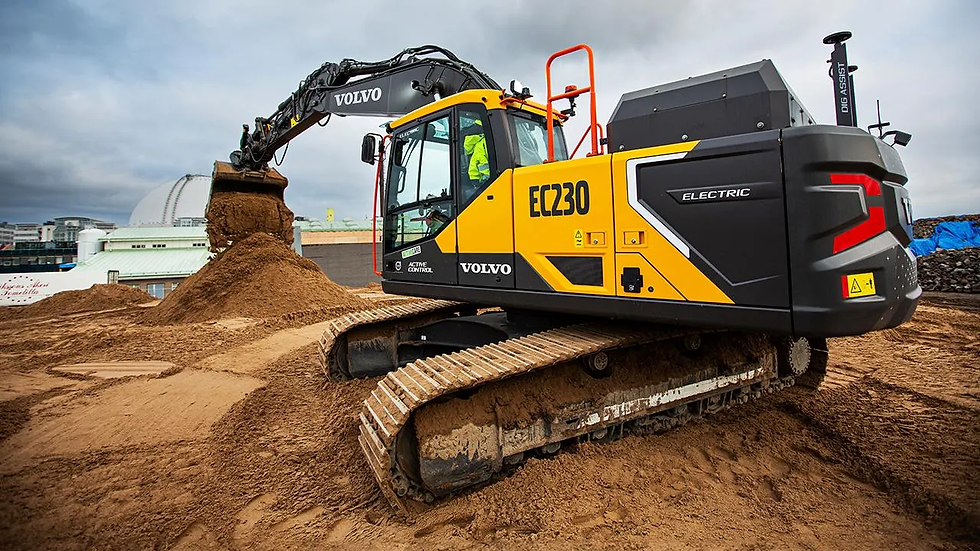
Modern Trends in Construction Equipment
Modern construction equipment includes automated and smart machines.
Technologies such as GPS and sensors improve accuracy and efficiency.
Sustainable equipment reduces environmental impact.
Challenges in Equipment Management
Challenges include high cost, maintenance issues, and operator dependency.
Engineers must manage these challenges effectively to ensure smooth operations.
Integration of Theory and Field Practice
Construction equipment management combines theoretical knowledge with practical site experience.
Engineers must understand both aspects for effective utilization.
Skills Required for Equipment Management
Engineers need knowledge of machinery and operations.
Planning and decision making skills are essential.
Safety awareness is also important.
Conclusion
Construction equipment is essential for efficient and modern construction practices.
For students and freshers, understanding types, selection, and management of equipment is crucial.
By combining technical knowledge with practical skills, engineers can improve productivity and ensure successful project execution.


Comments