
Basics of Construction Equipment and Machinery Selection Usage and Site Efficiency
- Anjali Regmi
- Mar 25
- 2 min read

Introduction to Construction Equipment
Construction equipment plays a vital role in modern civil engineering projects. It helps in increasing productivity, reducing manual labor, and ensuring efficient execution of work.
For students and freshers, this topic is often overlooked. However, understanding equipment and machinery is essential for managing site operations effectively.
Importance of Equipment in Construction
The use of proper equipment improves speed, accuracy, and safety on site.
Large projects such as highways, bridges, and high rise buildings cannot be completed efficiently without machinery.
Equipment also helps in handling heavy materials and performing complex tasks with precision.
Types of Construction Equipment
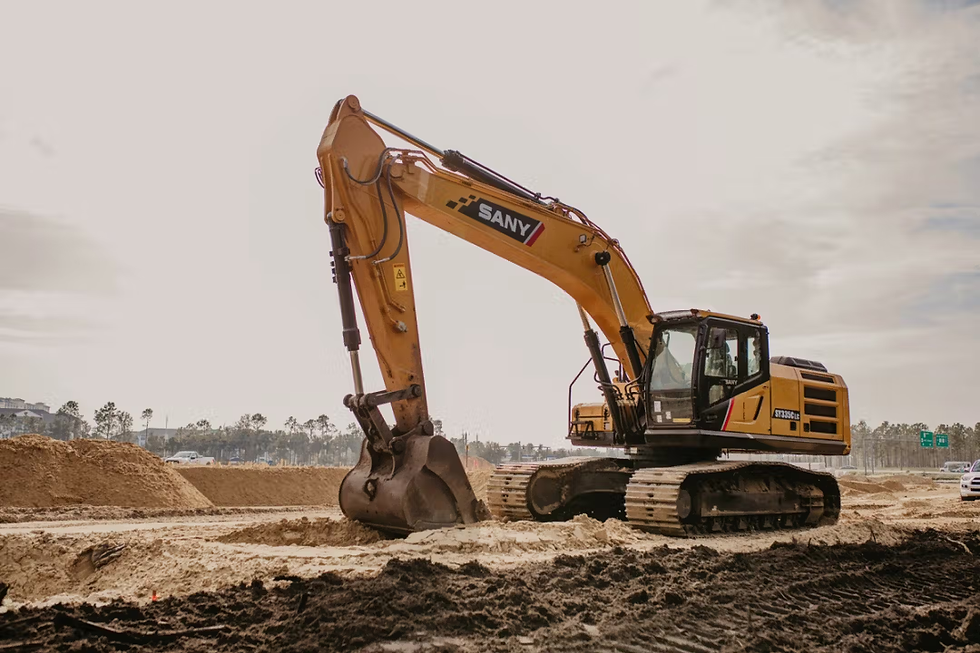
Construction equipment can be classified based on their function.
Earthmoving equipment includes excavators and bulldozers used for excavation and grading.
Material handling equipment includes cranes and hoists used for lifting materials.
Construction equipment includes concrete mixers and pavers used in building activities.
Understanding these types helps engineers select the right equipment for each task.
Equipment Selection Criteria
Selecting the right equipment depends on several factors.
These include project size, type of work, site conditions, and budget.
For example, a large project may require heavy machinery, while smaller projects may use compact equipment.
Proper selection improves efficiency and reduces costs.
Working Principles of Common Equipment
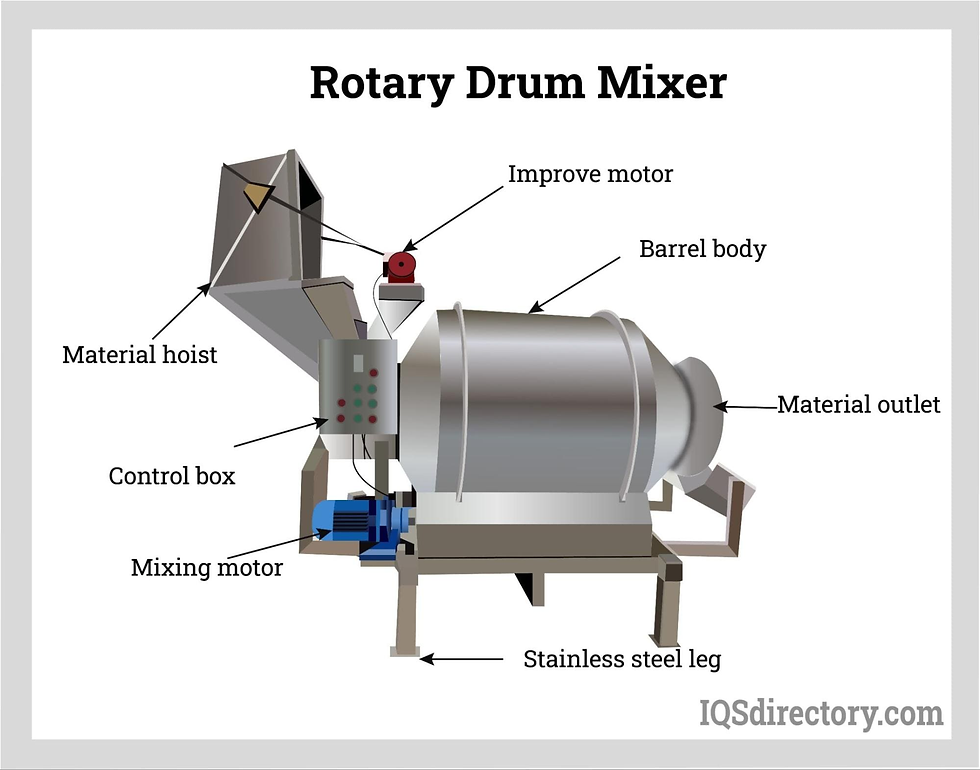
Understanding how equipment works is important for effective use.
Excavators use hydraulic systems for digging.
Cranes use mechanical systems to lift and move materials.
Concrete mixers rotate to mix materials uniformly.
Road rollers compact soil and pavement layers.
Basic knowledge of working principles helps engineers operate equipment safely.
Equipment Utilization and Productivity
Proper utilization of equipment is essential for maintaining productivity.
Idle machinery leads to increased costs, while overuse can cause breakdowns.
Engineers must plan equipment usage based on project requirements and schedule.
Maintenance of Construction Equipment

Regular maintenance ensures smooth functioning of equipment.
Activities include inspection, lubrication, and timely repairs.
Poor maintenance can lead to equipment failure and project delays.
Engineers must ensure proper maintenance schedules are followed.
Safety Measures in Equipment Usage
Operating heavy machinery involves risks.
Safety measures include proper training of operators, use of protective equipment, and regular inspection of machines.
Engineers must ensure that safety guidelines are strictly followed to prevent accidents.
Cost Considerations in Equipment Management
Equipment contributes significantly to project cost.
Costs include purchase, rental, operation, and maintenance.
Engineers must balance cost and efficiency while selecting and using equipment.
Challenges in Equipment Management
Real world projects face challenges such as equipment breakdown, operator shortages, and difficult site conditions.
For example, working in confined spaces may limit the use of large machinery.
Engineers must adapt and find suitable solutions.
Integration of Theory and Site Practice
Construction equipment management combines theoretical knowledge with practical application.
Concepts like productivity and cost analysis are applied on site through equipment planning and usage.
Engineers must understand both aspects for efficient project execution.
Skills Required for Equipment Management
Engineers need technical knowledge of machinery and its operation.
Planning and management skills help in optimizing equipment usage.
Problem solving ability is essential for handling breakdowns and delays.
Conclusion
Construction equipment is an essential part of modern civil engineering projects.
For students and freshers, understanding equipment types, selection, and management is crucial for site efficiency.
By combining technical knowledge with practical experience, engineers can ensure effective use of machinery and successful project execution.


Comments