
Basics of Construction Contracts and Legal Aspects Types Clauses and Practical Implications
- Anjali Regmi
- Mar 29
- 2 min read

Introduction to Construction Contracts
Construction contracts are legal agreements between parties involved in a project, such as the client, contractor, and consultants. These contracts define roles, responsibilities, scope of work, and payment terms.
For civil engineering students and freshers, understanding contracts is essential because every construction project operates within a legal framework.
Importance of Contracts in Civil Engineering
Contracts provide clarity and reduce disputes between parties.
They ensure that all stakeholders understand their responsibilities and obligations.
A well drafted contract helps in smooth project execution and legal protection.
Types of Construction Contracts

There are various types of contracts used in construction.
Lump sum contracts involve a fixed price for the entire project.
Item rate contracts are based on quantities of work performed.
Cost plus contracts include actual cost plus a profit margin.
Turnkey contracts involve complete responsibility from design to completion.
Key Components of a Contract
A construction contract includes several important components.
These include scope of work, specifications, drawings, payment terms, and timelines.
Each component must be clearly defined to avoid confusion.
Important Contract Clauses
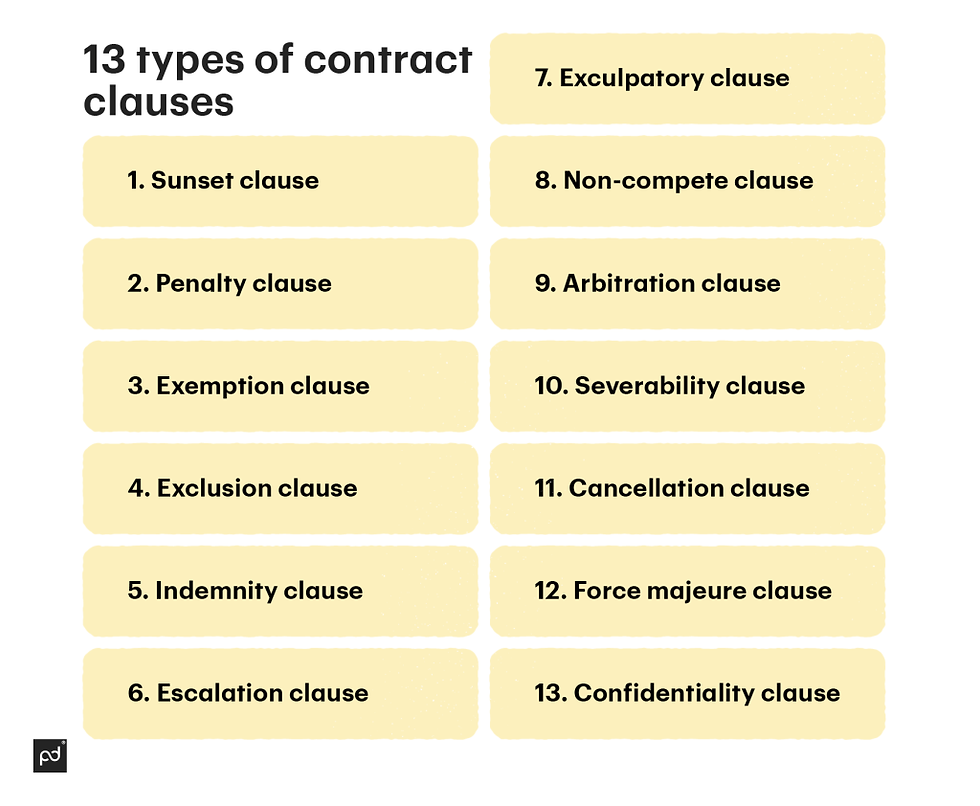
Contracts contain various clauses that define rights and obligations.
Force majeure clause covers unforeseen events such as natural disasters.
Liquidated damages clause defines penalties for delays.
Arbitration clause provides a method for dispute resolution.
Understanding these clauses is important for engineers managing projects.
Payment Terms and Billing
Payment terms define how and when payments are made.
This may include advance payments, interim payments, and final settlement.
Engineers must ensure that payments are linked to work progress.
Role of Engineers in Contract Management
Engineers play a key role in implementing contracts on site.
They monitor work progress, verify quantities, and ensure compliance with specifications.
They also coordinate between clients and contractors.
Variations and Change Orders

Changes in project scope are common in construction.
These changes are managed through variation orders.
Engineers must document and approve these changes properly to avoid disputes.
Claims and Dispute Resolution
Disputes may arise due to delays, cost overruns, or quality issues.
Claims are filed by contractors or clients to address these issues.
Dispute resolution methods include negotiation, arbitration, and legal action.
Legal Responsibilities and Liabilities
Contracts define legal responsibilities of each party.
Failure to meet obligations can result in penalties or legal action.
Engineers must understand their responsibilities to avoid risks.
Challenges in Contract Management
Managing contracts can be challenging due to complex terms, changing conditions, and coordination issues.
Engineers must ensure proper documentation and communication to handle these challenges.
Integration of Theory and Field Practice
Construction contracts combine legal knowledge with practical project management.
Engineers must apply contract terms during execution to ensure smooth operations.
Skills Required for Contract Management
Engineers need knowledge of legal aspects, documentation, and communication.
Negotiation and decision making skills are important for handling disputes.
Attention to detail is essential for managing contracts effectively.
Conclusion
Construction contracts are a vital part of civil engineering projects.
For students and freshers, understanding contract types, clauses, and management is essential for professional growth.
By combining technical knowledge with legal understanding, engineers can manage projects efficiently and avoid disputes.


Comments