
Basics of Coastal and Harbor Engineering Shore Protection Ports and Marine Structures
- Anjali Regmi
- Mar 27
- 2 min read

Introduction to Coastal and Harbor Engineering
Coastal and harbor engineering is a specialized branch of civil engineering that deals with the design and construction of structures along coastlines and in marine environments. It focuses on managing the interaction between land and water while ensuring safe navigation, protection from erosion, and efficient port operations.
For students and freshers, this field combines hydrodynamics, structural engineering, and environmental considerations.
Coastal Processes and Wave Action
Understanding coastal processes is essential for designing marine structures.
Waves, tides, and currents continuously shape the coastline. These forces can cause erosion or deposition of sediments.
In theory, wave mechanics and fluid behavior are studied. On site, these forces directly impact the design and durability of structures.
Shore Protection Methods
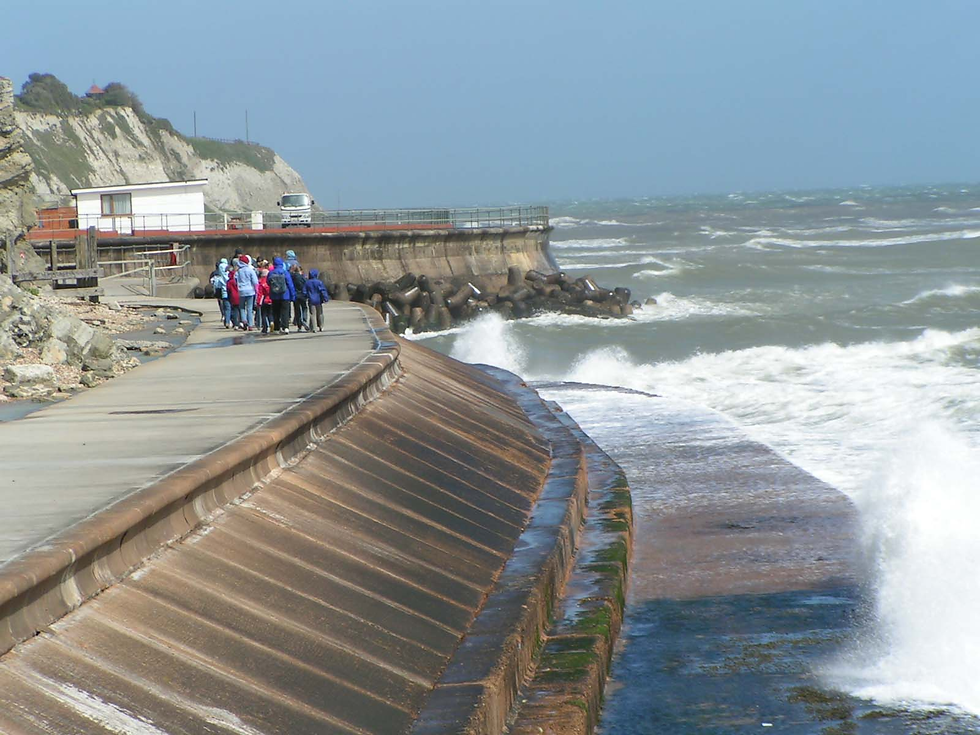
Shore protection is necessary to prevent coastal erosion and protect infrastructure.
Methods include seawalls, groynes, revetments, and breakwaters.
Seawalls act as barriers against waves, while groynes control sediment movement.
Proper selection of protection methods depends on site conditions and wave characteristics.
Types of Harbors and Ports
Harbors and ports are essential for maritime transportation and trade.
Natural harbors are formed by geographical features, while artificial harbors are constructed using engineering techniques.
Ports include facilities for loading, unloading, and storage of goods.
Engineers must design these facilities to handle large ships and heavy loads.
Marine Structures and Their Components

Marine structures include jetties, piers, wharves, and offshore platforms.
These structures are designed to withstand harsh marine conditions such as waves, corrosion, and strong currents.
Pile foundations are commonly used to support these structures in water.
Design Considerations in Coastal Engineering
Designing coastal structures requires careful consideration of wave forces, tidal variations, and soil conditions.
Engineers must also consider environmental impact and long term sustainability.
Proper design ensures stability and durability of structures.
Materials Used in Marine Construction

Materials used in marine environments must resist corrosion and wear.
Concrete with special additives and corrosion resistant steel are commonly used.
Engineers must select materials that can withstand saltwater and harsh conditions.
Construction Techniques in Marine Engineering
Marine construction involves specialized techniques such as underwater concreting, dredging, and pile driving.
Working in water adds complexity and requires careful planning.
Engineers must ensure safety and accuracy during construction.
Environmental Considerations
Coastal projects can impact marine ecosystems.
Engineers must consider environmental protection while designing and constructing structures.
Sustainable practices help in minimizing negative effects.
Challenges in Coastal and Harbor Engineering
Coastal engineering projects face challenges such as unpredictable weather, strong waves, and corrosion.
For example, storms can damage structures and delay construction.
Engineers must design structures to withstand extreme conditions.
Integration of Theory and Field Practice
Coastal engineering combines theoretical knowledge of wave mechanics with practical construction techniques.
Engineers must apply concepts accurately in real conditions to ensure safety and performance.
Skills Required for Coastal Engineers
Engineers need knowledge of fluid mechanics and structural design.
Analytical and problem solving skills are essential for handling complex marine conditions.
Attention to environmental factors is also important.
Conclusion
Coastal and harbor engineering plays a vital role in protecting coastlines and supporting maritime activities.
For students and freshers, understanding coastal processes, marine structures, and design principles is essential.
By combining theoretical knowledge with practical experience, engineers can design durable and sustainable coastal infrastructure.


Comments