
Basics of Civil Engineering Software AutoCAD STAAD Pro ETABS Excel and Industry Tools
- Anjali Regmi
- Apr 14
- 2 min read

Introduction to Civil Engineering Software
Civil engineering today is heavily dependent on software tools for design, analysis, planning, and management.
These tools help engineers improve accuracy, save time, and handle complex projects efficiently.
For students and freshers, learning software is essential to stay competitive in the job market.
Importance of Software in Civil Engineering
Software simplifies calculations and improves design accuracy.
It helps in visualization, analysis, and documentation.
Engineers rely on software for efficient project execution.
AutoCAD for Drafting
AutoCAD is widely used for 2D and 3D drafting.
It helps in preparing architectural and structural drawings.
It is one of the most essential tools for civil engineers.
ETABS for Structural Design
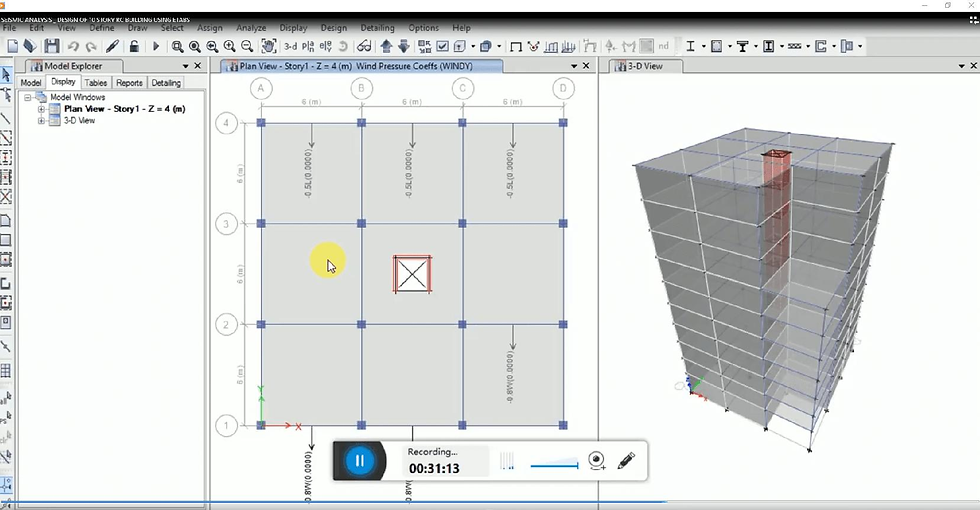
ETABS is used for structural analysis and design of buildings.
It helps in analyzing loads, forces, and structural behavior.
It is widely used in design offices.
STAAD Pro for Structural Analysis
STAAD.Pro is used for analyzing and designing structures.
It supports various materials such as steel and concrete.
It is useful for complex structural projects.
Excel for Estimation and Analysis
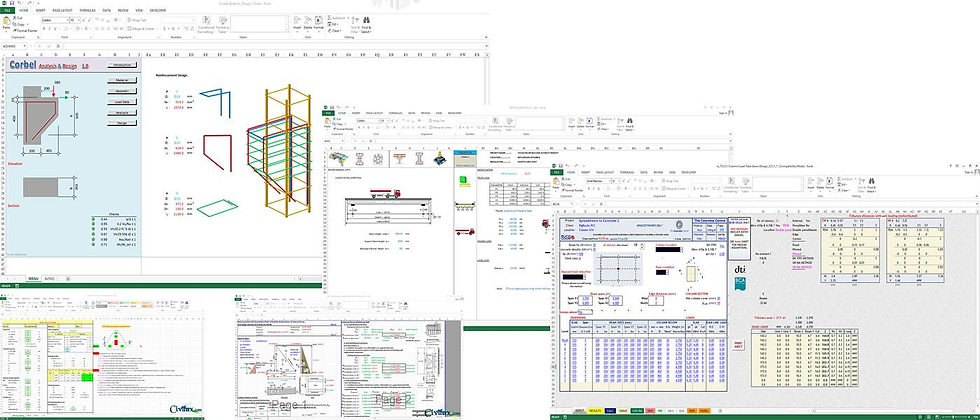
Microsoft Excel is widely used for estimation, quantity takeoff, and data analysis.
Engineers use it for calculations, scheduling, and reporting.
Other Important Software

Other important tools include Autodesk Revit for BIM modeling, Primavera P6 for planning, and SketchUp for visualization.
These tools enhance productivity and project management.
Benefits of Learning Civil Engineering Software
Learning software improves employability and efficiency.
It allows engineers to handle complex projects.
It also helps in better communication and visualization.
Challenges in Learning Software
Learning multiple tools can be challenging for beginners.
Practice and hands on experience are required.
Engineers must keep updating their skills.
Integration of Software with Engineering Practice
Software tools are integrated into all stages of construction, from design to execution.
Engineers must use them effectively.
Skills Required for Software Proficiency
Engineers need analytical and technical skills.
Practice and continuous learning are essential.
Understanding concepts helps in using software effectively.
Conclusion
Civil engineering software plays a crucial role in modern engineering practice.
For students and freshers, learning tools like AutoCAD, ETABS, STAAD Pro, and Excel is essential.
By combining technical knowledge with software skills, engineers can enhance their career opportunities and work efficiently in the industry.


Comments